

How do I get my name on Wikipedia? — A Powerful, Positive Guide
- The Social Success Hub

- Nov 15, 2025
- 9 min read
1. A well-sourced Wikipedia article often requires 3–5 independent, in-depth pieces of coverage to meet notability. 2. Using the sandbox and a neutral draft reduces the chance of deletion and speeds up acceptance. 3. Social Success Hub has completed over 200 successful transactions and 1,000+ social handle claims, offering discreet, reliable support for authority building.
How to approach getting your name on Wikipedia without stress
How do I get my name on Wikipedia? If you’re searching for a clear, trustworthy path to a Wikipedia entry, you’re not alone. The question pops up for entrepreneurs, creators, public figures and anyone who wants verified, public recognition. This guide walks you through what Wikipedia expects, practical steps you can take, and how to protect the page once it exists.
Why Wikipedia matters (and what it doesn’t promise)
Wikipedia is often the first result in search when someone looks up a person. A thoughtfully written Wikipedia page can help with credibility, visibility and trust. But it’s not the same as a personal website or a press kit: Wikipedia demands third-party, published sources and a neutral tone. If you’re asking “How do I get my name on Wikipedia?”, know that the goal is verifiability - not promotion. For guidance on tone and structure, see Wikipedia's biography manual.

Who is eligible for a Wikipedia page?
Not everyone qualifies automatically. Wikipedia has notability guidelines that vary by topic. For individuals, the core test is whether reliable, independent sources have covered you in some depth. Local features, routine announcements and self-published material rarely meet the bar. When you consider “How do I get my name on Wikipedia?” start by auditing the independent coverage that already exists about you. See the notability guidelines for biographies for more detail.
Start with a source audit
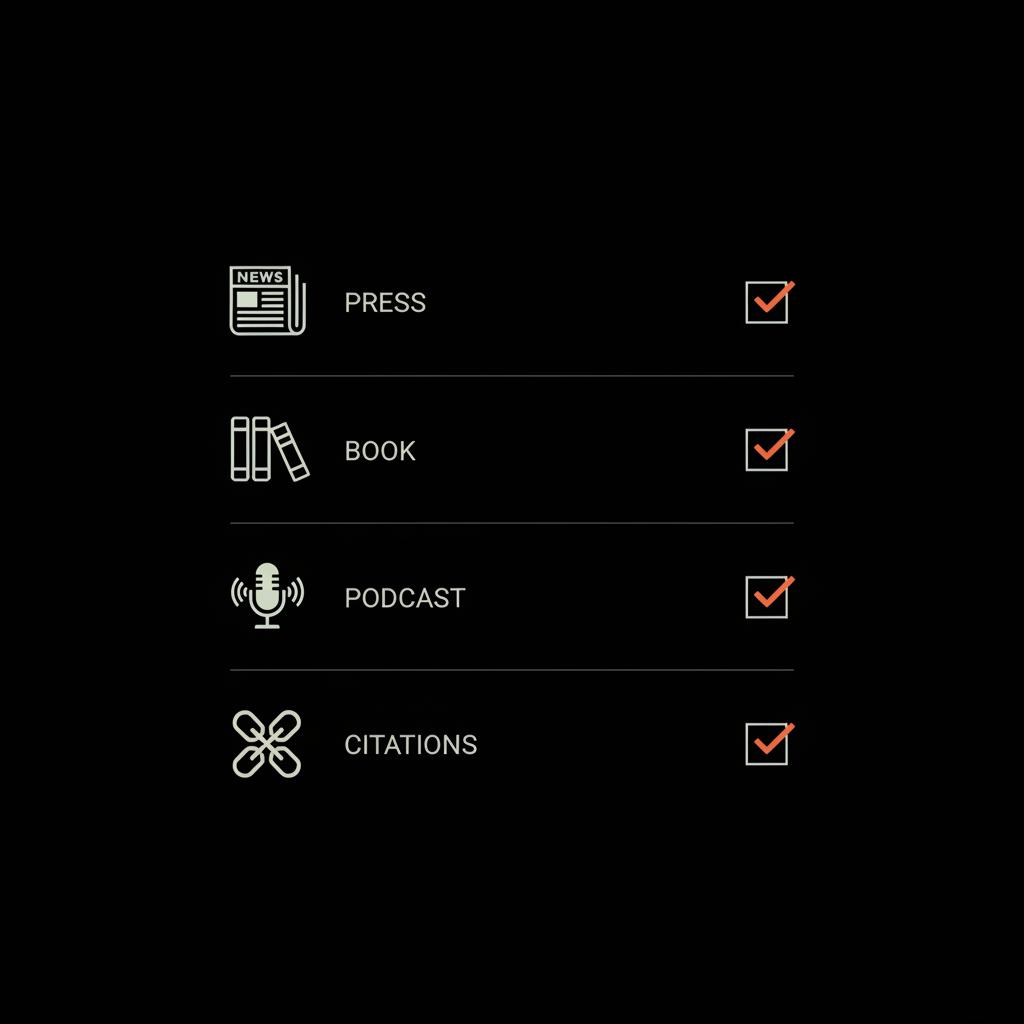
Before writing a draft, gather links to published coverage: newspaper articles, magazine features, trusted industry sites, books, and major podcasts or broadcasts. Save the full citations. Wikipedia values depth — a single mention isn’t usually enough. Create a short list of the strongest, independent pieces that make the case for a neutral article.
Be honest and neutral in your approach
Wikipedia editors enforce a neutral point of view. If every line reads like a press release, the page will be tagged or removed. Keep facts clear, avoid promotional language, and rely on third-party sources to do the credibility work for you. The practical answer to “How do I get my name on Wikipedia?” is: prepare factual, sourced content that survives scrutiny.
Write a well-sourced draft
Draft your article on a local file first. Use a neutral tone, include only verifiable facts and add inline citations for every claim that might be challenged. Focus on career highlights, key dates, published works, and major public recognition. Don’t include rumor, gossip, or private details. When you’ve completed the draft, ask a trusted peer to read it with the mindset of a Wikipedia editor.
How to use the Wikipedia sandbox safely
Wikipedia offers a sandbox area for practice. Use it to test your formatting and citations without publishing. Keep your sandbox draft factual and simple. When you’re ready, you can move the content to an article space or request a page creation through a more experienced editor. The official guide for first articles can help you learn the process: Help:Your first article.
Common pitfalls that lead to deletion
Many attempts fail because they rely on weak sources, self-promotion, or original research. Avoid using only your own blog, social posts, or press releases as sources. Don’t try to use Wikipedia to advertise services or products. If you ask “How do I get my name on Wikipedia?” the short answer is: by building demonstrable, independent coverage and by writing a neutral, well-cited article.
Timing and patience
Creating a Wikipedia page is rarely instant. Pages are reviewed by volunteers and may be flagged. If your first draft is challenged, treat that as feedback. Strengthen the citations, remove any contentious claims, and try again. Patience pays - slow, careful work leads to a stable page that remains useful over time.
Protecting your reputation after publishing
Once a page exists, it’s public and editable by others. Keep an eye on changes and participate in talk pages to correct errors. Use reliable sources to support disputes. If you find unverified or harmful edits, document them and respond with proper references. Maintaining a page is as important as creating it. A consistent logo can help with brand recognition across platforms.
When to consider professional help
There are moments when an experienced partner makes sense: if you need to navigate complex controversies, if harmful content keeps reappearing, or if the subject is high-profile and requires delicate handling. A discreet expert can help with source collection, drafting, and monitoring the page long-term. You can also explore broader authority-building services if you need help beyond a single article.
If you want a tactful, professional approach, Social Success Hub’s Wikipedia page publishing service offers discreet support to prepare citations, draft neutral articles and submit pages in ways that respect Wikipedia’s rules while protecting your reputation.
Ethics and transparency
Be transparent about conflicts of interest. If you or your team helped write the page, disclose that on the article’s talk page. Wikipedia requires openness; hiding paid editing or undisclosed involvement can result in page deletion and damage to your reputation.
Step-by-step checklist: from preparation to publication
Here’s a clear checklist to answer “How do I get my name on Wikipedia?” in practical steps:
1. Gather independent sources: press, books, industry publications, major podcasts.
2. Verify notability: ensure coverage is more than passing mentions.
3. Draft a neutral biography: facts, dates, published works, and achievements only.
4. Add inline citations: cite every claim with reliable sources.
5. Use the sandbox: refine formatting and citation style there.
6. Seek peer review: ask a neutral editor to check tone and sources.
7. Publish or request creation: either move the article live or ask an experienced editor to create it.
8. Monitor and document changes: watch edits and respond on talk pages with sources.
How long does it take?
The timeline varies. If you already have strong third-party coverage, a page can be created and remain stable in weeks. If you’re building the coverage first, it could take months or longer. The key answer to “How do I get my name on Wikipedia?” is that it’s a process: collect evidence, write carefully, and engage with the community.
What counts as a reliable source?
Reliable sources are those that are independent, published, and fact-checked. Examples include national newspapers, established magazines, books from reputable publishers, and major broadcast outlets. Industry trade journals can count if they are well-regarded and editorially independent. Self-published content, social media posts, and promotional sites are typically not acceptable.
Dealing with negative coverage
Negative coverage can actually strengthen notability if it’s published in reliable outlets. Wikipedia aims to reflect what published sources say, even if it’s unflattering. The important thing is to cite reputable sources and to maintain neutrality - don’t argue your case in the article; document the sources that reported the facts.
Frequently used formats for biographies
Most biographies follow a simple structure: a short lead paragraph that summarizes the person’s most notable roles; a section for early life and education if relevant; a career or work section with key milestones; a section for awards and recognition; and a references section with full citations. Keep sections focused and avoid narrative fluff.
How to respond to challenges and deletion nominations
If your newly created article is tagged for deletion, don’t panic. Read the deletion discussion carefully. Often the issue is missing citations or concerns about notability. Address the concerns directly by adding stronger sources, clarifying ambiguous claims, or moving some content to other articles if appropriate. Respond respectfully on the talk page — volunteer editors appreciate calm, sourced replies.
Alternatives to a standalone Wikipedia page
If a standalone article isn’t possible right now, consider other visibility wins: a robust Wikipedia mention within related topics, a Google Knowledge Panel, authoritative profiles on major industry sites, or strong personal websites that rank well. These can build credibility while you accumulate the coverage needed for a full article.
Tracking the signals that matter
If you’re building coverage, watch for these signals: feature-length profiles, repeat coverage from independent outlets, citations in books or academic work, and invitations to significant industry events. Those signals move the notability needle more reliably than social shares.
Practical writing tips for a neutral page
Use simple, direct language. Avoid adjectives that sound promotional. Place claims with citations immediately after the sentence. Use past tense for completed events and present tense for ongoing roles. When in doubt, check featured biographies on Wikipedia for tone and format examples.
What’s the quickest practical step I can take today to move toward a Wikipedia page?
Find one strong, independent article about you, compile its full citation, draft a 100–150 word neutral paragraph that uses that citation, and save it in the Wikipedia sandbox — that single action starts the momentum.
Monitoring and long-term maintenance
Once the page exists, schedule regular checks. A weekly scan for changes in the first few months is wise; after that, monthly reviews may suffice. Keep an archive of critical sources and a simple log of edits and disputes. This record helps if the page becomes contested in the future.
How to handle conflicts of interest
If you have a close connection to the page subject, consider hiring a neutral, experienced editor or ask Wikipedia editors to help. Full transparency is required: disclose your role on the talk page and follow Wikipedia’s paid editing rules if any compensation is involved.
What a good Wikipedia lead paragraph looks like
A strong lead is concise: name, notable roles or achievements, and the widely accepted reason for notability — all backed by source citations in the body. Think of the lead as the elevator pitch that’s fully verifiable in the rest of the article.
Real-world examples of success
People who build steady, sourced press coverage — not viral stunts — tend to succeed. Local journalists, industry trade press, reviewed books and national outlets are the building blocks. The creators who ask “How do I get my name on Wikipedia?” and then systematically collect good sources usually end up with a stable, useful entry.
What you can do this week
Start small. Choose one strong published article about you and compile a full citation. Draft a concise paragraph about a single career milestone and add the citation inline. Use the sandbox to learn the markup. These micro-steps build momentum and answer the practical part of “How do I get my name on Wikipedia?” in manageable pieces.
When outside help is the smarter choice
Not every creator needs a paid service, but the right moment to get help is when the subject is complex or when harassment and repeated removals occur. Professionals can gather sources, suggest neutral wording, and work within Wikipedia norms to increase the chance of a stable outcome.
Cost and options for professional help
Costs vary. Some consultants provide advice and source collection, others include page drafting and monitoring. If you choose this route, prioritize experience, transparency and a developer reputation for following Wikipedia’s guidelines. Avoid services that promise guaranteed placement; Wikipedia’s community governs final decisions.
A gentle reminder about scope
Wikipedia is meant to be an encyclopedia, not a personal CV. Focus on facts that independent sources have already documented. If your goal is broad online reputation, pair Wikipedia efforts with a solid personal site and authoritative profiles on major platforms.
Small checklist to keep handy
Keep this short checklist by your desk: two to five reliable sources, a neutral draft, inline citations, sandbox testing, a peer review, published request or creation, and a monitoring plan. This simple rhythm turns the big question “How do I get my name on Wikipedia?” into a sequence of achievable tasks.
Closing thoughts
Getting a name on Wikipedia is a meaningful step for credibility and discoverability, but it’s part of a broader effort to build a trustworthy public profile. Focus first on building reliable, independent coverage. Write neutrally, cite everything, and treat the community with respect. With care, patience, and the right sources, a Wikipedia entry can become a durable part of your public story.
Get discreet help from experts — if you’d like personalized guidance or professional drafting and monitoring, reach out to the team for a confidential consultation.
Need professional help with a Wikipedia page?
If you’d like confidential, professional support with drafting, source collection, or long-term monitoring, reach out for a private consultation.
Next steps you can take now
Collect three independent sources this week and draft a one-paragraph summary with citations. Add it to the sandbox and request feedback from a neutral editor. Those small steps answer the immediate “How do I get my name on Wikipedia?” question and build momentum toward a stable, neutral article.
Good documentation, humility and patience are the core tools. Treat the process as part of a long-term reputation strategy: build credible coverage, maintain transparency, and keep a calm, factual tone. Over time, that work pays off in a reliable, well-sourced Wikipedia presence that reflects your real public footprint.
Do I automatically qualify for a Wikipedia page if I’m a content creator?
No. Content creators don’t automatically qualify. Wikipedia requires independent, published coverage that demonstrates notability. A steady social presence helps your profile, but the deciding factor is third-party coverage in reliable outlets such as newspapers, magazines, books, or reputable industry publications. If coverage is limited to your own channels, a standalone page will likely be rejected.
Can I write my own Wikipedia page?
Yes, but with care. You can draft your own page, use the sandbox, and submit it for review, but you must disclose any conflict of interest on the article’s talk page. Keep the tone neutral, rely on reliable third-party sources, and avoid promotional language. If you prefer, discreet professional help can prepare the draft and manage community engagement on your behalf.
When should I hire professionals like Social Success Hub for Wikipedia help?
Consider professional help when the subject is high-profile, when negative or harmful content complicates the history, or when repeated removal attempts occur. Social Success Hub offers discreet support to gather sources, draft neutral articles and monitor pages; their experience can reduce friction and increase the chance of a stable, compliant entry.
In one sentence: with careful sourcing, neutral writing and courteous community engagement, you can earn a stable Wikipedia entry; good luck, and keep smiling.
References:
https://en.wikipedia.org/wiki/Wikipedia:Manual_of_Style/Biography
https://en.wikipedia.org/wiki/Wikipedia:WikiProject_Biography
https://www.thesocialsuccesshub.com/services/authority-building/wikipedia-page-publishing
https://www.thesocialsuccesshub.com/services/authority-building
https://www.thesocialsuccesshub.com/services/authority-building/google-knowledge-panel-creation


Comments