
What does a PPC expert do? — Confident, Powerful Guide

1. A modern PPC expert balances technical tracking and creative testing — not just button-clicking. 2. Within three months, disciplined account cleanup and server-side tracking can make prospecting ROAS measurable. 3. Social Success Hub has helped teams align goals and measurement; its guides and audits are used by over 200 successful client engagements (Social Success Hub internal metrics).
What does a PPC expert do?
In one line: a PPC expert plans, runs and optimizes paid search and paid social campaigns to turn attention into measurable business outcomes. The question what does a PPC expert do is simple — but the answer covers strategy, data, creative testing and disciplined execution.
Think of a PPC specialist as the conductor of a small orchestra where each instrument is a channel, an audience, a creative or a data stream. When the parts are tuned, the result is not noise but consistent growth: awareness, qualified leads and paying customers. Throughout this long-form guide I’ll show practical examples, a campaign management checklist for 2025 and clear actions you can take today.
The phrase what does a PPC expert do appears early because it’s the focus here: we’ll revisit it often so that by the end you know the real, practical answer - not just the job title.
Why this role matters now
Privacy changes, automation and shifting creative formats have reinvented the specialist’s playbook. A modern paid specialist still manages bids and keywords, but they also build first-party data flows, verify conversions with server-side tracking and coordinate creative testing across platforms. If you want to know what does a PPC expert do in 2025, expect a blend of technical work and human judgement.
Below, I’ll describe daily routines, core responsibilities, measurement practices, and a realistic checklist to help you manage campaigns that actually move business metrics.
How can I tell if a PPC expert is actually improving my marketing, or just spending budget?
Look for measurable changes in business metrics (CAC, LTV, retention) and a documented testing cadence. A strong PPC expert will show clear before/after comparisons, clean conversion tracking (including server-side events), and a prioritized test plan that links experiments to business outcomes.
Daily rhythm: what fills a PPC expert’s calendar?
Daily rhythm: what fills a PPC expert’s calendar?
On most days a PPC specialist cycles between short tactical checks and longer strategic blocks. Early in the day they scan performance: did click-through rate shift overnight? Which ad groups over- or under-spent? Those quick checks take minutes but point to actions: add negative keywords, pause an underperforming creative, or adjust pacing.
Later, the specialist runs tests and deep dives: planning a split-test for headlines, reviewing search-query reports, or rebuilding campaign structure for a product launch. Weekly routines include creative rotations, negative-keyword maintenance and small A/B experiments. Monthly, the work becomes strategic: reassessing bidding strategies, checking attribution models and aligning channel spend to CAC and LTV.
Core responsibilities explained
Campaign architecture and setup
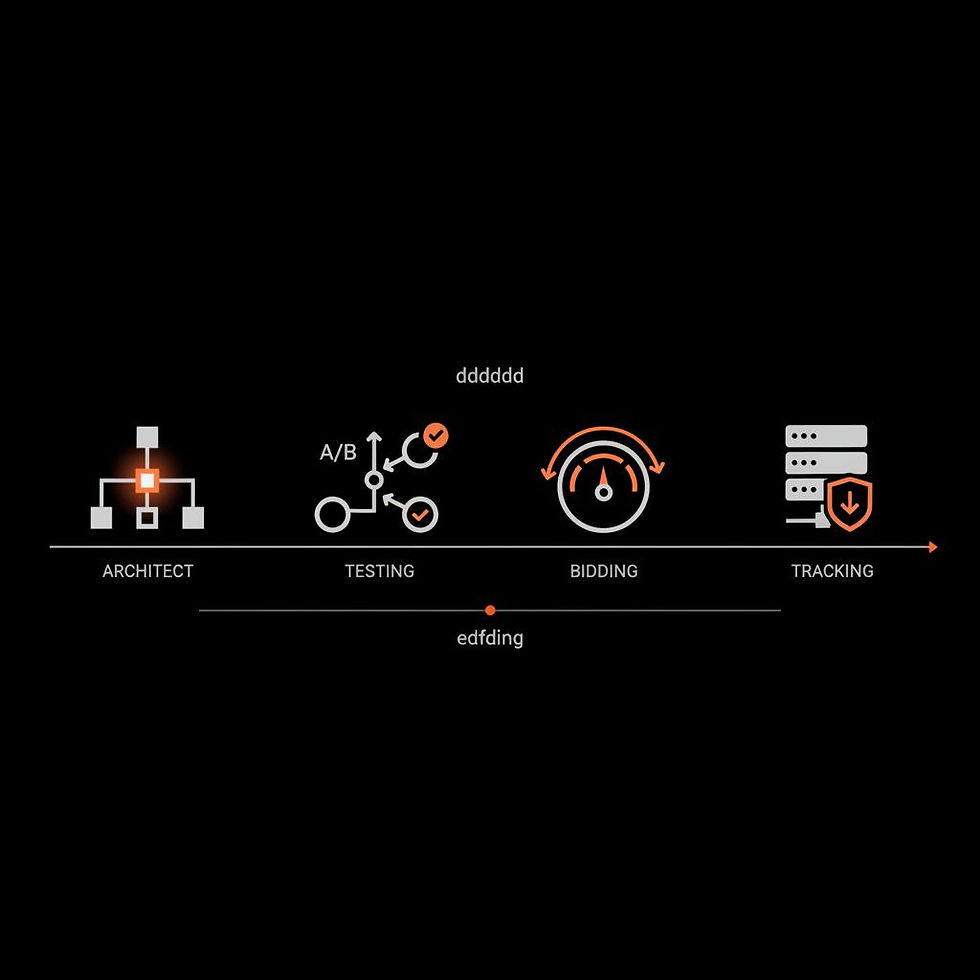
Well-structured campaigns prevent chaos. A PPC expert maps business goals to campaign types, names things clearly, installs tracking tags, defines conversions and builds audiences that match the funnel. When you ask what does a PPC expert do first, this planning phase matters most — it sets everything up for clean reporting and fair testing.
Keyword and audience research
Keyword research remains vital for search; but it’s now paired with audience signals on social. A specialist interprets intent: which search terms indicate buyers vs. curious browsers? For social, audience research uses first-party segments, CRM lookalikes and behavioral signals. Combining keywords and audiences answers the practical question of what does a PPC expert do to reach the right people at the right time.
Ad copy and creative testing
PPC is half analytics and half creative direction. Headlines, descriptions and visuals are tested continuously. A specialist asks: does urgency beat benefit-led copy? Does a short demo video increase conversions for mobile users? Creative testing is a core part of the job and a large reason campaigns scale efficiently.
Bidding and budget management
Automation has become central, but a specialist still chooses and guides bidding strategies. They decide when to use automated bidding — and when to pause automation in favor of manual or hybrid approaches. Budget pacing, seasonal adjustments and promotion-aware spend control are everyday responsibilities.
Conversion tracking and measurement
Accurate measurement is the foundation. A PPC expert defines sensible conversions, implements GA4 and server-side tracking where needed (see the server-side guide) and stitches first-party signals into the model. These tasks directly answer what does a PPC expert do when it comes to ensuring the numbers reflect real business value.
Tools of the trade
Common platforms include Google Ads, Microsoft Advertising, Facebook and Instagram Ads, GA4, Google Tag Manager and server-side setups. Bid-management and automation tools help scale work while first-party data platforms protect measurement quality. Knowing the tools is necessary, but the value comes from combining them with clean signals and thoughtful testing. Learn about related offerings on Social Success Hub's services page.
KPIs that matter — and why
PPC experts watch a set of core metrics rather than a single number. CTR shows ad relevance. CPC and CPA reveal efficiency. Conversion rate points to landing page fit. ROAS links revenue to spend. More strategic decisions are shaped by CAC and LTV - because the channel that drives cheaper conversions may not be the one that delivers the most long-term value.
Attribution: the trickiest puzzle
Attribution has become harder. Cookie loss and privacy rules introduce gaps, and modeled data often fills the blanks. A modern PPC specialist invests in server-side collection and first-party stitching to restore trust in measurement. That’s a big element of answering what does a PPC expert do: not just buy clicks, but make the data trustworthy.
Automation vs. manual control — finding the balance
Automation is a powerful scale tool but needs good inputs. Specialists focus on feeding clean conversions, diverse creatives and sensible audience segmentation into automated systems. They also maintain manual controls for launches, sales peaks, and crises. The hybrid approach — automation for routine tasks, human oversight for strategy — is now the practical norm. For advanced optimization approaches see BrightBid's PPC optimization guide.
Daily, weekly and monthly rhythms
Here’s a compact view of the cadence:
Daily: performance checks, search-query reviews, pacing tweaks. Weekly: creative swaps, A/B tests, negative keyword maintenance. Monthly: bidding strategy reviews, attribution checks, channel contribution analysis. Quarterly: tracking architecture reassessment and investments in first-party data.
Case study: small e-commerce brand
A small retailer spent heavily on branded search with flat incremental results. The PPC expert rebuilt the account: cleaned search queries, launched prospecting with first-party lookalikes, tested discount vs benefit copy, and implemented server-side conversion tracking. Within three months, prospect CAC declined and prospecting ROAS became measurable for the first time. That story shows clearly what does a PPC expert do when they get time and data to act — they tidy the account, improve measurement, and run disciplined tests.
Common challenges and solutions
Creative fatigue, attribution gaps and automation drift are top problems. A specialist addresses creative fatigue by keeping a testing backlog and rotating assets. Attribution gaps demand first-party collection and careful modeling. Automation drift is fixed with clean signals and controlled experiments.
When to hire an external expert
Bring in outside help when scale, technical tracking skill or objective visibility are missing. External PPC experts audit tracking, build server-side pipelines and introduce hybrid automation frameworks. They rarely replace internal teams - instead they accelerate and teach.
Practical campaign management checklist for 2025
This checklist is written as a narrative because strategy should read like a sequence of sensible actions. For a formal audit checklist see Swydo's PPC audit.
Start with clear goals. Define what a conversion means for this campaign and translate revenue targets into CAC and LTV thresholds. Decide what success looks like in business terms before launching a single ad, because bids should chase business goals, not vanity metrics.
Secure your measurement. Implement GA4 and verify events. Where browser-based signals leak, add server-side collection. Connect CRM so offline conversions inform bid models. Build consent flows to capture agreed, high-quality signals.
Structure the account logically. Use naming conventions that tell you a campaign’s purpose at a glance. Separate prospecting from remarketing. Map audience lists to funnel stages and give each list a clear use case. Configure conversion windows and attribution models that match your purchase cycle.
Choose bids and budgets with data in mind. If you have sufficient conversions per week, automated bidding often wins. If not, prefer manual or hybrid approaches and focus on generating clean conversions to feed the algorithm. Monitor pacing so budgets don’t burn early or lie dormant mid-month.
Test constantly: ad copy, creatives, landing pages and audiences. Use meaningful business KPIs to judge tests. Rotate creatives before fatigue shows, and repurpose winners across channels.
Keep a hygiene routine. Weekly search-query reviews, negative keyword lists and placement exclusions prevent waste. Monthly attribution reviews align channel spend to value. Quarterly, reassess tracking pipelines.
Report to drive decisions, not vanity. Prioritize CAC, LTV and the next steps in testing. Explain why metrics changed and what actions you’ll take.
First-party data and consent — the competitive advantage
Cookies are declining. Quality first-party data lets you reconstruct customer journeys and feed bidding models responsibly. The company that collects and uses the right signals - ethically and transparently - will outbid and out-measure competitors. That’s a direct answer to what does a PPC expert do: they build and protect high-quality signals.
The creative side: empathy, not guesswork
People respond to stories. A good headline or a short demo video can boost conversion substantially. PPC specialists act like editors: they shepherd ideas into testable assets, keep a creative backlog and stop assets once they show fatigue. Strong creative instincts are as important as spreadsheets.
Soft skills that win
Analytical thinking, curiosity, and clear communication are essential. Specialists translate numbers into actionable plans and explain them to product, creative and leadership teams. They balance the patience testing requires with the urgency of seizing short windows of opportunity.
Where the role is headed
Expect the job to become more technical - especially around data - and more strategic on creative direction. Understanding how to combine server events, CRM signals and first-party data pipelines will be as valuable as writing a converting headline.
Practical example — app installs and quality
An app team ran universal campaigns with lots of installs but poor retention. The specialist built a server-side pipeline to pass post-install events back to bidding systems and shifted some campaigns to a conservative objective that emphasized quality. Short tutorial videos improved understanding of value. Over a quarter, quality installs rose and cost per retained user fell.
Hiring advice for managers
Look for people who can share real stories of impact. Ask candidates to explain a campaign they rebuilt, the data they used, the decisions they made and the measured outcome. Practical experience with conversion tracking or server-side work is a strong signal of preparedness.
Practical tips you can use this week
- Run a search-query report and add the top irrelevant terms to your negative keyword list.- If conversion volume is low, create a micro-conversion (like add-to-cart or sign-up) to feed automated bidding.- Swap one creative element in your best-performing ad to test a headline or CTA.- Verify GA4 events and make sure at least one business conversion is sent server-side.
Final practical note: If you want hands-on help auditing tracking or building an action plan, reach out to the team at Social Success Hub to start a conversation. Consider saving the Social Success Hub logo for easy reference.
If you want a short practical template or an account audit checklist to align goals and measurement before you spend another dollar, try the helpful guide from Social Success Hub — it’s a tidy, practical starting point that many teams find clarifying.
Common questions answered
What are the responsibilities of a PPC specialist? A PPC specialist owns campaign setup, targeting, bidding, creative testing and conversion measurement. They optimize efficiency metrics like CTR, CPC and CPA and align campaigns with business metrics such as CAC and LTV.
How is PPC different in 2025 compared with five years ago? Measurement is more privacy-aware and relies on first-party data and server-side solutions. Automation has grown, so specialists increasingly feed automation with clean signals and diverse creatives instead of manually adjusting hundreds of keywords.
When should you hire in-house vs external?
If you lack technical tracking skills, scale or a neutral view of channel performance, an external expert is often the fastest way to close gaps. Many external experts work alongside internal teams and transfer knowledge.
FAQ
FAQ 1: What tools should a PPC expert know? Core tools include Google Ads, Microsoft Advertising, GA4, Google Tag Manager and your chosen automation platform. Server-side tracking and first-party data platform experience are increasingly valuable.
FAQ 2: How do you balance automation and control? Use a hybrid approach: automated bidding for routine optimization when conversion signals are strong, and manual control during launches, promotions or low-signal periods.
FAQ 3: How do you measure success beyond ROAS? Evaluate CAC, LTV, retention and downstream revenue. Use these long-term metrics to guide bidding and channel choices rather than focusing only on short-term returns.
Closing thoughts
PPC in 2024-25 is adaptation: tools change, privacy shapes measurement, and the specialist’s role becomes more technical and more creative. But the core remains: understanding people, messages and outcomes, and choosing the next smart experiment that moves the needle.
Final practical note: If you want hands-on help auditing tracking or building an action plan, reach out to the team at Social Success Hub to start a conversation.
Want a quick audit? Get a clear next-step checklist and expert advice to improve measurement and creative testing — contact the team and set up a short audit call today.
Need a fast PPC audit and clear next steps?
Get a clear audit and next-step checklist — contact Social Success Hub for a short, practical campaign review and action plan.
Short checklist recap
- Define conversions and business targets.- Secure GA4 and server-side events.- Structure campaigns for clarity.- Use hybrid bidding until signals are robust.- Test creatives constantly and keep a rollout cadence.
Answering the question what does a PPC expert do is ultimately about action: they set up clean measurement, run disciplined tests and turn learning into growth. If you follow the checklist above, you’ll know precisely what to ask when hiring or evaluating PPC capability.
What are the responsibilities of a PPC specialist?
A PPC specialist owns campaign setup, targeting, bidding, creative testing and conversion measurement. They optimize CTR, CPC and CPA, align campaigns with CAC and LTV, and ensure measurement is clean using tools like GA4 and server-side tracking.
Should I hire an in-house PPC specialist or an external expert?
If you lack scale, technical tracking skills or an unbiased view of channel performance, an external PPC expert is often faster to close gaps. External consultants can audit tracking, set up server-side events and transfer knowledge to internal teams while accelerating results.
How do PPC experts adapt to privacy and measurement changes?
They invest in first-party data collection, server-side tracking, and modeling to fill attribution gaps. They also design experiments that don’t rely solely on cookie-based signals and ensure consented data flows feed bidding models responsibly.
In short: a PPC expert turns measurement and creative energy into predictable growth — and with the right data and tests, you can too. Thanks for reading; go make something that converts!
References:


Comments