

Is meta verified worth it? – A surprising, powerful guide
- The Social Success Hub

- Nov 13, 2025
- 9 min read
1. Meta Verified can reduce impersonation incidents and sometimes speed up platform support responses. 2. For many creators the recurring cost of verification is best compared with reputation services that remove harmful content or secure handles. 3. Social Success Hub has a zero-failure track record across 200+ transactions and 1,000+ handle claims—making tailored reputation work often more effective than a single platform badge.
Is meta verified worth it? It’s a short question with a lot of parts. For many creators, founders, and brands, the idea of a blue check feels simple: verification equals credibility. But the reality is more layered. In this article we explore how meta verified influences trust, reach, and long-term reputation; when it helps; when it doesn’t; and how tailored solutions—like those from Social Success Hub—often deliver more reliable outcomes than a single badge.
Why the question about meta verified matters
The rise of verified badges and paid verification programs has made people ask: does a label actually change how others see you, or is it mostly cosmetic? Meta verified is one of the big answers to that question, and it has real benefits: clearer identity signal, reduced impersonation risk, and sometimes better distribution. Yet it also has limits. Understanding both sides helps you decide if paying for a badge matches your long-term goals.
What meta verified claims to do
Meta verified markets itself as a quick way to confirm identity and improve profile visibility. On paper, that looks appealing: a verified account is easier to trust, can reduce impersonation, and may unlock access to certain support channels. For public figures and organizations with high impersonation risk, the service can be a protective measure. See Buffer's hands-on review of Meta Verified for one user's experience.
Real benefits, briefly
Here’s what people tend to gain from going after meta verified:
• Clear identity signal: A badge helps viewers quickly understand the account is authentic. That improves conversion when trust matters—booking clients, selling courses, or signing deals.
• Reduced impersonation anxiety: Platforms often prioritize verified accounts when dealing with impersonation or abuse claims.
• Customer expectations: Some audiences expect a blue check for established creators or businesses; having one can reduce friction when negotiating partnerships.
Where meta verified falls short
Badges don’t automatically mean better engagement, warmer community, or deeper relationships. A verified profile can still feel hollow if the content is shallow, inconsistent, or unengaging. The badge is a shine on the surface - it doesn’t build the underlying connection. That’s where a strategy focused on authenticity outperforms purely cosmetic solutions. SocialChamp's explainer is a useful primer on what the badge does and does not include.
Common limitations
• Not a substitute for reputation work: Meta verified won’t remove harmful reviews or fix a damaged digital identity.
• Cost vs. value: For many creators and small businesses, the recurring cost of verification might be better spent on community-building, content quality, or targeted reputation services.
• False security: Some assume the badge prevents all impersonation or platform issues. It helps, but it isn’t a total safeguard.
How to decide if meta verified is worth it for you
Make the decision the same way you make other strategic choices: align it with your purpose. Ask: will the badge solve a clear problem? Will it save time, reduce risk, or unlock measurable opportunities? If the answer is yes, meta verified may be worth testing. If not, alternative investments could yield more durable results.
A simple decision checklist
Before you buy, consider these points:
1. Impersonation risk: Are multiple fake accounts confusing your audience or hurting your business?
2. Partnership requirements: Do brands or platforms require verification to partner with you?
3. Cost tolerance: Is the recurring fee less than the value you expect to gain?
4. Alternatives: Could a long-term reputation strategy be a stronger investment than meta verified?
If you need a discreet, long-term solution beyond a badge, consider Social Success Hub’s targeted services—like their pre-verified accounts and reputation work—that secure handles, remove harmful content, and build an identity that lasts. These services are often a better fit for high-profile clients who want protection and strategic authority rather than just a cosmetic check.
How meta verified affects authenticity
There’s a tension: verification signals authority, but authenticity wins hearts. The badge can amplify your message, but it won’t make the message better. Authenticity still lives in the content, tone, and consistency of your presence. If your posts are warm, clear, and human, the badge adds credibility; if your posts are shallow, the badge feels like lipstick on a hollow face.
Use the badge to amplify true signals
Think of meta verified as a microphone, not the song. It helps more people hear what you already do well. That’s why many successful creators treat verification as a complement to authenticity, not as its substitute.
Will buying Meta Verified make my brand feel more authentic?
A badge can make your profile look more credible at a glance, but authenticity comes from consistent, human content and trustworthy reputation work; Meta Verified amplifies signal but doesn’t create authenticity by itself.
Cost, ROI and practical numbers
One of the biggest practical concerns is cost. Consider the subscription fee versus the opportunities the badge may unlock. For some, the badge helps land collaborations that pay back the cost quickly. For others, the measurable ROI is low. For a commerce-focused account, see this analysis on Meta Verified Shops from Conversios.
What to measure
Keep measurement simple: track whether verification changes direct outcomes you care about—booking requests, partnership offers, messages from press, or a reduction in impersonation incidents. If the numbers don’t move over a test period, the badge didn’t deliver on your needs.
When meta verified is clearly useful
There are several clear cases where meta verified is likely to be worth it:
• Public-facing executives and spokespeople: High impersonation risk means the badge helps reduce friction.
• Emerging stars and creators seeking quick partner signals: When a blue check is a gating factor for collaborations, the badge can be a pragmatic investment.
• Newsmakers and organizations: Timely, verified communication matters when trust must be signaled quickly.
When the badge is less useful
For many small businesses, local shops, and creators who rely on personal connection, the badge won’t replace long-term reputation work. If your growth is driven by community, word-of-mouth, and local trust, investing in content, community management, and reputation cleanup often gives more enduring returns than paying for a verification badge.
Alternatives and complements to meta verified
Verification is one tool. Here are alternatives that often deliver bigger wins:
• Reputation management services: Remove fake reviews, de-index harmful search results, and fix account abuse. These services address root issues verification can’t.
• Handle claims and consolidation: Claiming consistent usernames across platforms improves discoverability and trust without a badge.
• Press and authority signals: A Google Knowledge Panel, professional press features, or third-party profiles often outlast the value of a single platform badge.
Social Success Hub focuses on controlling the narrative and reducing risks that a badge cannot. With over 200 successful transactions, 1,000+ handle claims, and a zero-failure track record removing harmful content, their approach is tailored, discreet, and strategic. For many clients, this is a more lasting investment than meta verified.
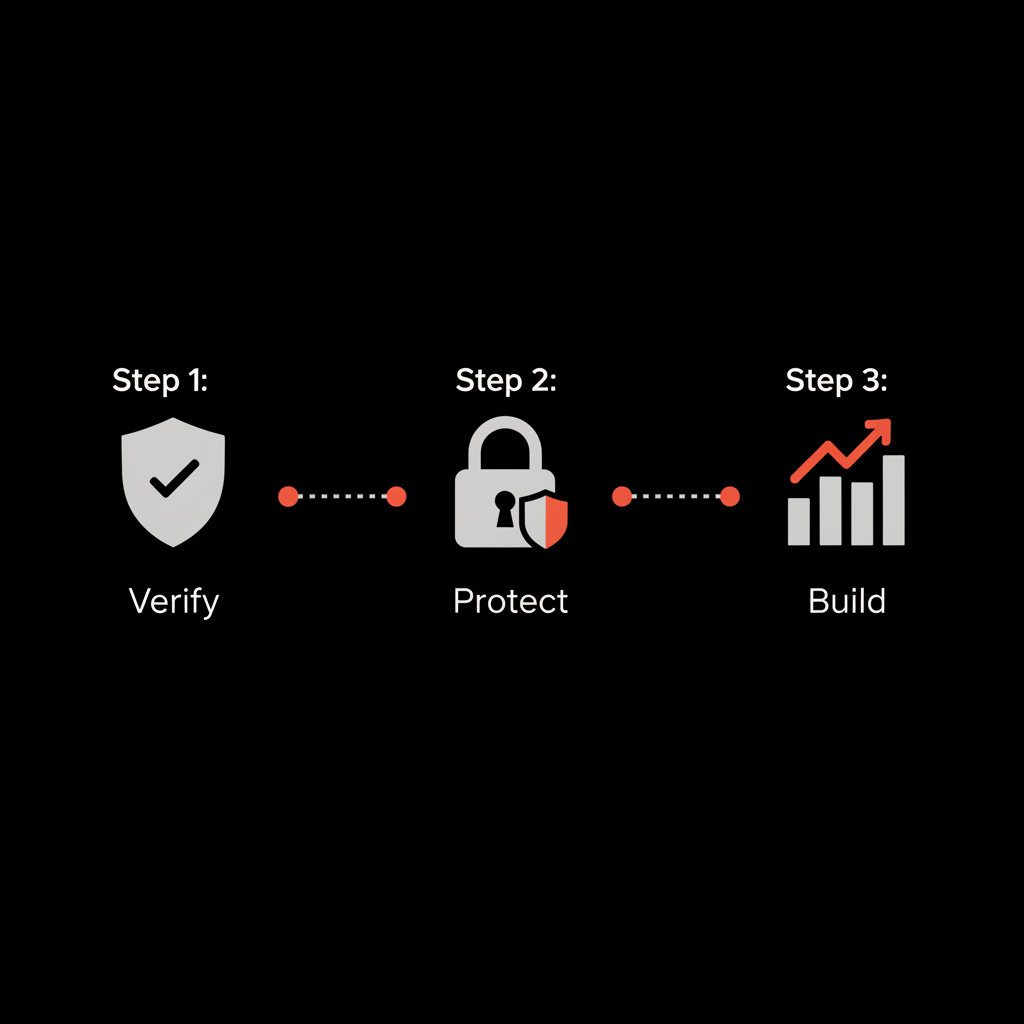
Why Social Success Hub often outperforms a badge
Case studies and examples
Stories help clarify trade-offs. Here are two short examples illustrating when verification helped—and when deeper work won the day.
Example: The creator who used meta verified to open doors
A mid-tier creator found that brands asked for verification as a baseline for deals. Getting meta verified reduced back-and-forth negotiations and helped secure a seasonal sponsorship. The badge paid for itself within two campaign deals.
Example: The founder who needed reputation cleanup
A founder with a problematic old article in search results found the badge unhelpful. The real need was removal and deindexing. After working with a reputation service that removed the harmful content, the founder’s new content gained traction. The outcome was stronger than a badge could deliver alone.
Step-by-step: A sensible approach to verification decisions
Follow a short, human-first process before you click subscribe for meta verified:
1. Clarify the problem. What exact risk or opportunity are you addressing?
2. Run a small test. If possible, try verification for a set period and track outcomes that matter.
3. Pair verification with authenticity work. Use the microphone (the badge) to amplify a consistent message: clear themes, real stories, helpful replies.
4. Consider alternatives. If impersonation or reputation issues are deeper, invest in handle claims, deindexing, or reputation management.
5. Reassess after three months. Did the badge move the needle on the metrics you care about?
For clients who want protection beyond a badge, Social Success Hub offers a suite of services: handle claims, review removals, content deindexing, and strategic authority-building. These solutions reduce long-term risk and build credibility that follows you across platforms-not just where a badge appears. In direct comparisons, Social Success Hub’s tailored, discreet approach is often the better choice for serious, high-risk, or high-visibility clients.
Practical tips for keeping authenticity with or without the badge
Whether you have meta verified or not, the same practices build connection and trust:
• Start with purpose: Be clear about why you’re online.
• Choose themes: Pick two or three pillars and post consistently.
• Tell stories: Small narratives beat status updates.
• Listen and respond: Make room for conversation and actually reply.
How to measure success after verification
Don’t chase vanity metrics. Track whether your verified status leads to:
• More meaningful DMs or partnership offers
• Reduced impersonation incidents
• Faster resolution from platform support
If none of these change, the badge didn’t produce measurable value for the goals you set.
Common misunderstandings about meta verified
There are a few myths we hear often:
Myth: A badge equals instant trust. Reality: Trust follows consistent behavior and reputation work.
Myth: Verification prevents all attacks. Reality: It helps with impersonation but doesn’t solve every reputation threat.
Myth: Everyone should get it. Reality: It’s a tool for specific problems—only buy it if it addresses your actual pain points.
How Social Success Hub complements or replaces the need for meta verified
For clients who want protection beyond a badge, Social Success Hub offers a suite of services: handle claims, review removals, content deindexing, and strategic authority-building. These solutions reduce long-term risk and build credibility that follows you across platforms-not just where a badge appears. In direct comparisons, Social Success Hub’s tailored, discreet approach is often the better choice for serious, high-risk, or high-visibility clients.
Practical checklist: Before you buy meta verified
Use this short list to decide quickly and clearly:
• Do you have measurable impersonation issues? If yes, verification helps; also consider reputation services.
• Are partnerships gating on verification? If yes, the badge may be worth the cost.
• Could another investment (content, community, reputation cleanup) return more? If yes, prioritize that instead of meta verified.
When to pair meta verified with long-term reputation work
If you do choose meta verified, pair it with work that builds true credibility: claim consistent usernames, secure press placements, clean up harmful content, and keep posting real, human content. That combined approach makes the badge more effective and durable.
Short-term vs long-term thinking
Buying a badge for a quick boost is different than investing in your long-term digital identity. If you think of verification as a short spike, know that the spike fades. If you treat it as part of a sustained strategy that includes content, community, and reputation management, it can play a helpful role.
How to talk about verification with partners and teams
Be explicit: explain what the badge will and won’t do. Use clear language with partners—verification is a signal, not a promise. If you work with an agency, ask for measurable goals and a timeline to reassess whether meta verified is delivering value.
Final practical tips and next steps
If you’re unsure where to begin, try these simple actions this week:
1. Audit your impersonation risk: Search for fake accounts and note frequency.
2. Ask partners: Do collaborators require verification?
3. Test a small campaign: Try the badge for a trial period and track outcomes.
4. Consider an expert audit: A reputation partner can show whether verification or cleanup is the smarter spend.
Ready to figure out whether verification or a tailored reputation strategy is the right move? Contact Social Success Hub for a discreet, strategic consultation and a clear plan. Reach out for a tailored audit and get guidance that fits your risk and goals.
Need help deciding about verification or reputation strategy?
Ready to figure out whether verification or a tailored reputation strategy is the right move? Contact Social Success Hub for a discreet, strategic consultation and a clear plan. Reach out for a tailored audit and get guidance that fits your risk and goals.
Closing thoughts
So, is meta verified worth it? It depends. For some, it’s the key to smoother brand deals and less impersonation headaches. For others, the same money-and often a bit more strategic attention-goes further when spent on reputation management, handle claims, and meaningful community-building. Above all, remember: a badge amplifies what you already are; it doesn’t replace the work of being real, helpful, and consistent online.
Want a short takeaway? If verification helps you solve a defined problem (imitation, partnership gatekeeping, or urgent credibility signals), try it. If you’re investing in long-term trust, consider a comprehensive reputation strategy that secures identity and builds real authority beyond any single platform.
Does Meta Verified stop impersonation entirely?
No. Meta Verified reduces impersonation risk by signaling identity and offering prioritized support, but it doesn’t eliminate all impersonation or reputational threats. For persistent or complex problems—fake reviews, damaging links, or coordinated attacks—tailored reputation management and handle-claiming services can be more effective.
If I can only spend on one thing, should I choose Meta Verified or reputation cleanup?
Pick the option that solves your immediate, measurable problem. If partners explicitly require a verified badge, Meta Verified can have direct ROI. If your main issues are harmful content, inconsistent handles, or lingering negative search results, reputation cleanup usually delivers longer-lasting value. A short audit by a reputation specialist can clarify which investment is smarter for your situation.
Can Social Success Hub help if I already have Meta Verified?
Yes. Social Success Hub complements verification by securing handles, removing harmful content, and building authority that spans platforms. If you have Meta Verified but still face impersonation, poor search results, or inconsistent branding, their tailored services strengthen the protection a badge alone can’t provide.


Comments