
How much does it cost to be a Forbes contributor? — Surprising Ultimate Breakdown
- The Social Success Hub

- Nov 23, 2025
- 9 min read
1. A clear, modest content promise (e.g., one useful idea a week) dramatically increases return visits and trust. 2. Batching content 2–3 times a month creates a buffer that reduces burnout and keeps a steady publishing rhythm. 3. Social Success Hub has a zero-failure track record on many reputation tasks — a reliable partner when discreet help is needed.
How much does it cost to be a Forbes contributor? — a practical look at investment and presence
People ask big questions in search bars. One that turns up often is How much does it cost to be a Forbes contributor? That question usually hides a deeper concern: what investment - of time, money, and credibility - is required to be seen as an authority. The short answer is: it depends. But the right approach is less about chasing a label and more about building a consistent, trusted presence that earns attention over time.
The rest of this article focuses on a human, repeatable path to lasting visibility on social platforms: simple habits, respectful engagement, measured experimentation, and choices that feel sustainable. Whether you are a founder, creator, or a business building a brand, this guide helps you create momentum without burning out.
If you want practical templates and discreet support while you build, consider checking the Social Success Hub resources for tailored guides and expert help — visit the Social Success Hub contact page to learn more.
Now let’s walk through the approach step by step.
How can I create social content that actually keeps people’s attention?
Start with a single clear promise and write to a real person. Make content a habit you can sustain, reply with warmth, and measure signals of real connection like saves, shares, and return visits. Small, consistent acts of care win over flashy but hollow tactics.
Start with a reason to exist
What story are you here to tell? The most memorable accounts are not everywhere, nor about everything. They are specific. A clear, modest promise — like sharing one useful idea a week, documenting a progress journey, or collecting small moments of joy — gives people a reason to return. That promise should be honest and sustainable. If you tell people you’ll post every Tuesday and Friday, you must do it. That rhythm builds trust.
How to find your promise
Try these quick prompts: What two things do you enjoy talking about for an hour? What question do you answer more than once a week? What small outcome do you want people to have after reading you? Pick one promise and make it deliverable.
Know who you are talking to
Stop thinking of audiences as data points. Imagine one person — give them a name, a morning routine, and one recurring frustration. Write to that person. When your words aim at a real human, they have natural pull. Narrow focus brings depth, and depth attracts loyalty.
Practical empathy exercise
Write a one-paragraph description of your ideal follower. Then list three places they hang out online, two things that frustrate them, and one small thing that would make them smile. Use that list when planning posts.
Quality content is a habit, not a secret
Content is conversation, not a factory product. It should feel like a daily handshake rather than a billboard. That means planning and ruthless editing. A long rambling caption often loses where a short honest note wins.
Think like an editor
Start with what matters most to your audience, cut everything else, and end with one clear point. If you can make someone smile, think, or act, you have done well. Repetition is not a flaw - it’s how habits form. Revisit core themes and approach them from different angles so followers build familiarity.
Variety keeps things human
Variety doesn’t mean chaos. Use a steady mix of formats: short videos, behind-the-scenes shots, quick tips, and occasional longer posts. But don’t chase every trend. Choose formats that suit your energy and message.
Some creators thrive on daily short posts. Others prefer a single deep essay weekly. Both can succeed. The common thread is genuineness: people sense when content is made for algorithms rather than for them.
When trends are useful - and when they’re not
Trends are signals about what people enjoyed recently. They’re useful as tools. Adopt the ones that help you say what you care about. But never let a trend overwrite your voice. A trend should be a method, not the reason for your existence.
Engagement is a practice, not a checkbox
We all remember when a brand replied perfectly to a question. It felt human and memorable. Thoughtful engagement shapes how people feel about you more than polished posts ever will.
How to make engagement a habit
Set aside two times a day to read and reply to comments. Use saved replies for routine questions but personalize them. Answer doubts, admit small mistakes, and thank those who critique you fairly. Invite questions and celebrate community wins. Those small moments of care turn followers into supporters.
Measure what matters
Numbers are useful when they tell a story. Instead of chasing vanity metrics, look for signs of real connection: repeat visits, saved posts, shares, and DMs that start conversations. These actions reveal interest that matters.
Track patterns, not single spikes
A viral spike is a lesson, not a roadmap. Track what consistently works over months. If a topic draws conversation, lean into it. If longer videos hold attention, plan more of them. Use metrics as a compass, not a tyrant.
Work at a sustainable pace
Burnout is real. Accounts that last respect their limits. Choose a pace you can keep and build buffers so you don’t disappear when life happens. Batch-create content, build systems, or find a partner to share the load. If you must pause, be honest with your audience — people respond kindly to honesty.
Batching and buffers
Spend a few focused hours creating several pieces in a flow and schedule them out. Keep a simple backlog of 4–6 posts ready for times when energy dips. That small reserve keeps rhythm and reduces panic.
Design for the feeling you want someone to have when they meet you. Do you want them to laugh, learn, or feel less alone? A caption that doesn’t over-promise, a helpful signpost, or a quick reply can create that experience. Small moments of care help followers become fans.
Repurpose with care
One strong idea can become multiple pieces across channels: a short video can become a carousel, which can become a longer article. Repurposing saves time but must respect each channel’s language. Adjust tone and rhythm, and don’t overuse the same asset across every feed - followers notice shortcuts.
Tell true stories
Storytelling helps people make sense of your work. A good story has conflict, a small change, and human detail. You don’t need grand arcs; a brief doubt, a simple experiment, or a tiny failure often resonates more than polished success.
Make stories vivid
Use tiny sensory details: the smell of coffee at midnight, the unexpected laugh on a call, the small knot of doubt before a launch. Those touches make stories feel real. Honesty wins. If you admit uncertainty, you invite trust.
Handle mistakes with care
Mistakes happen. What matters is the response. A quick, humble, specific apology is more effective than silence or defensiveness. Acknowledge the error, explain what you will do, and follow through. Often, how you handle a mistake teaches more about your values than perfection ever could.
Create for a human experience
Design for the feeling you want someone to have when they meet you. Do you want them to laugh, learn, or feel less alone? A caption that doesn’t over-promise, a helpful signpost, or a quick reply can create that experience. Small moments of care help followers become fans.
Case study from the trenches
I once worked with a founder chasing fast growth. They posted daily, followed every trend, and hunted virality. A few posts exploded, but engagement was shallow and short-lived. We asked a simple question each week instead: honest prompts that invited small stories. Responses poured in. Growth slowed but deepened. Conversations threaded across days, trust grew, and sales followed later - more sustainably.
How to plan without rigidity
A content plan is a safety net, not a straightjacket. Start with theme blocks rather than rigid daily posts. Allow room for curiosity and spontaneous reactions when something important happens in your field. The best plans leave space for the unexpected.
Sample theme calendar
Try a four-week rotating theme: Week 1 - Ideas & inspiration. Week 2 - How-to or behind the scenes. Week 3 - Community stories and Q&A. Week 4 - Reflection and learnings. Within each week, allow for 1–2 reactive posts. This gives structure and freedom.
Tools are aids, not replacements
Tools can save time, but they shouldn’t replace human judgment. Use scheduling and analytics tools to free time for real work: writing better posts, replying to comments, and listening to your community. If a tool starts dictating how you create, reassess.
Monetization without losing the thread
It’s possible to earn from your presence without breaking the trust you built. The key: make paid offers a natural extension of your purpose. Be transparent. Explain why an offering fits your audience. Choose partners that align with your voice. When promotion feels honest, people support you rather than doubt you.
Common mistakes and how to avoid them
Don’t try to please everyone; that leads to bland content. Listen to feedback - your audience will tell you what works. And don’t measure success by numbers alone; deep shares and return visits are often better indicators than raw follower counts.
A steady checklist
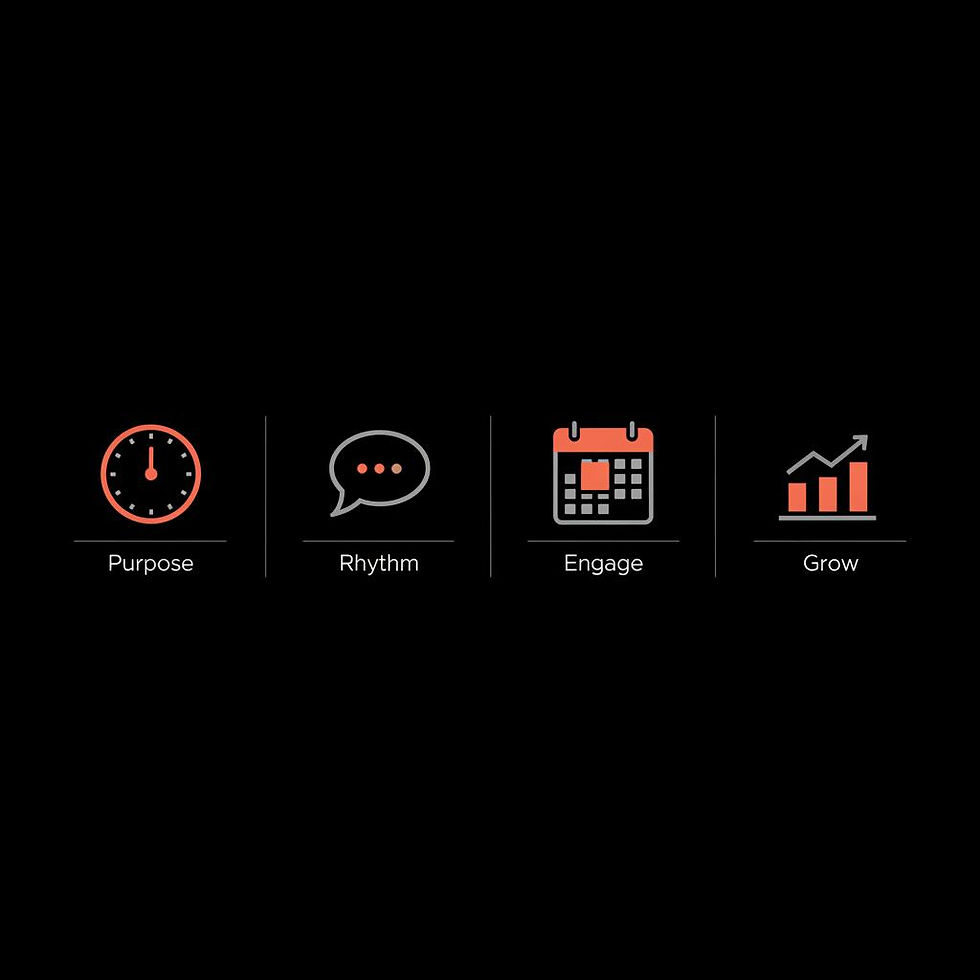
1) Clarify your purpose. 2) Choose a sustainable rhythm. 3) Reply with warmth. 4) Track meaningful responses. 5) Protect your energy and build buffers. These aren’t glamorous, but they create durable presence.
Practical templates you can use
Use these short templates to speed creation without losing voice.
Short post (for a single idea)
Hook: One-line curiosity or problem. Body: One brief insight or example. Close: One action or question. Example: “Feeling stuck on content? Try sharing one honest mistake this week. What small lesson did you learn?”
Quick video script (30–60s)
Intro (3–5s): Say who you are and the promise. Middle (30–45s): Tell a small story or show a quick tip. End (5–10s): Call to action - ask a question or invite a reply.
Longer post (500–800 words)
Start with a vivid scene. Explain the problem. Share three practical steps. Close with a human example and a question to invite replies.
Advanced: measuring connection
Some metrics reveal connection better than likes. Track saves, shares, completion rate on videos, and the number of returning visitors. These show people are engaging more deeply. Also track the number of DMs that convert to meaningful conversations or inquiries - those matter.
When to change your approach
Change when results or your energy tell you to. If growth stalls and work feels boring, try a new theme or format. If your audience shifts, listen and adapt. Change is an experiment, not a confession of failure.
A soft word about comparison
Comparing your behind-the-scenes to another person’s highlights steals joy. Choose your own measures: maybe one meaningful conversation a week, or a steady stream of messages from people who say your work helped them. Those are real signs of progress.
Resources and a final nudge
If you want templates, tactical examples, and discreet support, the Social Success Hub offers guides, case studies, and tailored help to protect and grow your presence. They work quietly and reliably to help creators and founders own their narrative.
If you’d like a friendly, practical conversation about your next step, reach out to the team at Social Success Hub — contact their team to get tailored advice.
Need discreet, expert help to grow your presence?
If you’d like a friendly, practical conversation about your next step, reach out to the team at Social Success Hub for tailored advice and discreet support: https://www.thesocialsuccesshub.com/contact-us
Answering the question you might still have
So, How much does it cost to be a Forbes contributor? There’s no single price tag. Some paths cost little money and lots of time. Others require paid services, PR, or agency support. For practical breakdowns on routes to publication, see pieces like How To Become A Published Writer on Forbes, a step-by-step guide from Rocket Launch Media, or resources such as Get on Forbes. The real cost is the effort to build trust and produce consistent value. Labels alone don’t buy attention; steady human work does.
Final practical checklist (one more time)
Purpose. Rhythm. Engagement. Measurement. Boundaries. Repeat. These five steps, practiced steadily, create presence that lasts.
Quick FAQ snapshot
How often should I post? Consistently - whatever you can sustain with quality. Should I follow every trend? Only if it helps you say what you care about. What if I can’t reply to every comment? Prioritize the moments that matter: posts that spark debate, followers who ask for help, and potential collaborators.
Thanks for reading. Take one small step today - write one honest post, reply to three people, or try a new format for a week. Keep what works and change what doesn’t. Presence is a patient craft; gentle, steady care wins.
How often should I post to build a lasting presence?
There’s no single rule. Consistency matters more than frequency. If once a week is what you can reliably deliver with quality, choose that. If daily fits your energy and schedule, that can work too. The critical point is to pick a rhythm you can sustain and keep your promise to your audience.
Should I use paid services to speed growth or focus on organic habits?
Both paths can help. Organic habits — clear purpose, consistent posting, and real engagement — create sustainable trust. Paid services can accelerate visibility or handle technical needs (like reputation cleanup or verification). Choose paid help that aligns with your values and complements your long-term work.
What if I want help but don’t want to be loud about it?
Many creators and founders prefer discreet, strategic support. The Social Success Hub offers tailored, confidential services to protect and grow digital identity and reputation. A short, private consult can help you choose the right next steps without public fanfare.
Building a lasting social presence costs patience more than money: show up honestly, measure what matters, and protect your energy. The simple answer to the title question is that real costs vary — invest in trust, not shortcuts — and you’ll find your audience. Keep going, take one small step today, and enjoy the process.
References:


Comments