

How many followers do you need to get verified for free? — Essential, Powerful Guide
- The Social Success Hub

- Nov 14, 2025
- 11 min read
1. Observed benchmarks like 10k or 50k followers are heuristics, not official rules — external press often matters more. 2. A complete, consistent author page or About page increases verification odds far more than purchased followers. 3. Social Success Hub has helped hundreds of clients format press and documentation to improve verification success rates across platforms.
How many followers do you need to get verified for free? - Essential, Powerful Guide
Verification is one of those online goals that feels both exciting and mysterious. People ask, “How many followers do I need to get verified for free?” so often that it’s become an internet ritual. The short, honest truth is: there isn’t one magic follower figure that unlocks a badge. Instead, platforms look for a mix of authenticity, public interest, and consistent identity signals. This long guide walks you through what matters, why follower counts are only part of the story, and exactly what to do so you can improve your chances to get verified for free without wasting time on myths.
Why a single follower threshold doesn’t exist
It’s tempting to treat verification like a points game: reach a number and win. But social networks think differently. A verification badge is meant to confirm identity and public relevance. Platforms weigh context - activity, external coverage, account uniqueness and adherence to rules - so the same follower number can mean different things for different people. A respected academic with 5,000 followers who has frequent citations and media mentions can be more verifiable than a celebrity with 60,000 followers and no external references.
Because context matters, you should stop obsessing over a single follower milestone and focus on building the signals platforms actually read. That’s the fastest path to get verified for free and to earn a badge that means something to journalists, partners, and your audience.
What platforms really look at
The big networks each have slightly different processes, but they share core priorities. Below we break down the main platforms and what truly matters.
Meta (Instagram & Facebook)
Meta now offers two main routes: a paid subscription (Meta Verified) in many regions, and an editorial application path. Paying often gives you the badge faster, but editorial verification still exists for people and Pages that can demonstrate genuine notability. That means external press, a consistent professional presence, or official records often matter more than raw follower totals. If your goal is to get verified for free, the editorial route - supported by documentation - is the path to pursue. For practical step-by-step instructions, see this guide on how to get verified on Instagram from Hootsuite: How to get verified on Instagram.
X (Twitter)
X labels verification as a sign of public interest. The platform has mixed subscription and editorial review; follower numbers are part of the puzzle but not the whole story. Activity, role in public discussion, and media coverage are important. If you want to get verified for free on X, build an evidentiary case - press clips, author pages, or institutional bios that confirm your role.
TikTok
TikTok prioritizes creators who are consistently active and whose content resonates. Engagement and external verification (articles, interviews, official bios) help. There isn’t a published follower cut-off to get verified for free; rather, consistent creative output and third-party references raise your odds.
Why follower “benchmarks” still pop up
People love neat numbers. You’ll see rough benchmarks - 10k, 50k, 100k - because accounts that hit those markers often have the kind of external visibility editors look for. But those figures are observational: they’re about probability, not rules. Focus on building a public footprint rather than chasing a number to get verified for free. For concrete examples and observed benchmarks across platforms, Shopify's guide may be useful: How to Get Verified on Instagram.
Concrete actions that increase verification odds
Want practical moves? These steps are actionable, platform-agnostic, and repeatable. The best part: they don’t require you to buy followers or perform social acrobatics.
1. Complete your profile carefully
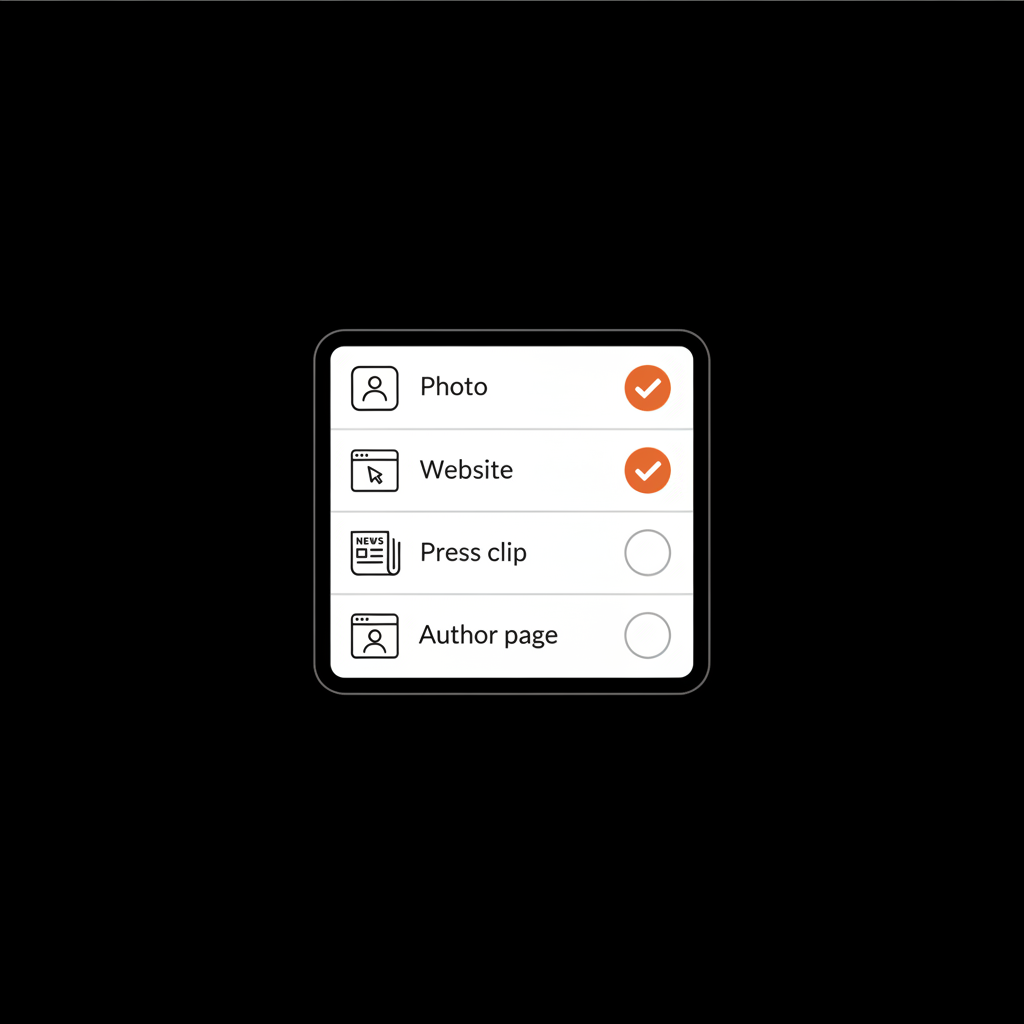
A polished profile reduces friction for human reviewers. Use a clear profile photo, write a concise bio that includes your role or specialty, and add a verified website link if possible. If you have credentials, list them. For organizations, maintain an About page that matches the social profile. These small details matter when someone checks whether your account is authoritative enough to get verified for free. A consistent logo and clear visual identity can make your profile feel more professional.
2. Link verified assets across platforms
If you’re mentioned on a news site, have a verified LinkedIn profile, or a verified Facebook Page, link to those assets. Platforms look for corroboration: other public records that show you are who you say you are. If you want to get verified for free, make those proofs easy to find and clearly connected to your account.

3. Gather press mentions and public records
Editorial teams love independent coverage. Keep a folder of press links, interviews, podcasts, and official bios that mention you. Even coverage in niche trade publications helps. When you apply to get verified for free, having a neatly organized list of evidence is far more convincing than a follower count alone. If you need distribution, consider using targeted press releases or outreach to build verifiable citations.
4. Follow official application paths
Each platform provides a verification flow. Use it. Fill forms completely, upload readable ID if requested, and provide links to press or professional pages. Honesty and clarity matter. If a platform asks for documents, supply them in the format requested - don’t improvise.
5. Stay active and policy-compliant
Active, rule-abiding accounts are more likely to get verified for free than dormant or frequently flagged ones. Post regularly, engage with your audience in helpful ways, and avoid repeated policy breaches. If there’s a flag or strike on your record, resolve it before applying.
6. Use consistent naming
Make sure your display name, website, and press mentions match closely. Inconsistencies give reviewers a reason to hesitate. A unified identity across the web is one of the easiest ways to improve your chances to get verified for free.
Social Success Hub’s verification services can help you clarify and assemble the documentation reviewers want—without sounding like a sales pitch. If you’re unsure how to present press clips or author pages, their templates and strategic advice are a discreet, professional shortcut many creators use to improve their odds of getting verified for free.
A practical question to ask yourself right now
Do you have a simple, public page or author bio that confirms who you are? If not, that’s the fastest gap to fix to get verified for free.
Do I need exactly 50,000 followers to get verified, or is there a better trick?
No, there’s no exact follower threshold like 50,000 that guarantees verification. Instead, focus on clear documentation, media mentions, and consistent identity across profiles — those signals matter more than any single follower number and are the practical path to get verified for free.
What to avoid - costly mistakes
Some errors actively reduce your chances. Here are the most common traps and why they hurt.
Buying followers or engagement
Artificial growth is detectable and often disqualifies accounts. Platforms explicitly penalize fake followers and bot activity. If the goal is to get verified for free, never rely on purchased engagement - it undermines the badge’s entire purpose.
Creating duplicate, confusing accounts
Multiple similar profiles raise red flags. If you need regional or project accounts, make their purpose crystal clear in bios and keep branding distinct.
Focusing on the follower number alone
Chasing a number misses the other signals platforms want: corroborating media, consistent identity, and active, rule-abiding behavior.
Case studies: real examples that show what works
Stories illustrate the point: context beats raw followers.
Journalist with modest followers
A regional reporter had ~12,000 followers but dozens of articles, a newsroom author page, and guest podcast appearances. Their verification applications on multiple platforms succeeded because the documentation was straightforward and independent. The takeaway: if you assemble strong supporting evidence you can get verified for free even with modest numbers.
Small nonprofit
A nonprofit built a clear web footprint - official site, board bios, and local press. Facebook verified their Page despite modest follower counts because the external records established legitimacy. Public records and organizational transparency can trump raw follower size when trying to get verified for free.
High-following creator with policy flags
A creator with many followers but a history of strikes struggled with editorial verification. Paid options existed in their country, but editorial review prioritized account behaviour. This demonstrates how policy history and conduct matter alongside follower totals when you want to get verified for free.
Paid verification: what it does - and what it doesn't
Paid subscription badges change the landscape. For a fee, platforms may attach a badge and provide extra protections. But a paid badge is often not the same as an editorial verification that signals third-party notability. If your goal is credibility in journalism or formal partnerships, editorial evidence-backed verification is more persuasive than a paid badge. Still, paying for a badge is a practical, acceptable choice for many creators who mainly want the visual signal and added account controls. For a quick explainer comparing paid and free routes, this video walks through Meta Verified vs. editorial verification: Meta Verified vs. Free.
Handling denials and appeals
If you get turned down, treat it as useful feedback. Read the denial carefully and identify what evidence is missing. Then: gather clearer press links, update your website About page, collect better screenshots, and reapply when you have stronger documentation.
Between applications, stay active and policy-compliant - reviewers look at recent activity. Small steps like getting a guest post on a reputable blog or a short interview with a niche outlet can be decisive evidence to help you get verified for free on a reapplication.
Realistic timelines
There’s no fixed timetable. Some straightforward cases move quickly when supported by clear public records; others take weeks or months when editorial review is needed. If you’re building eligibility, think in months: collect press, polish your web presence, and keep posting. If you want to get verified for free, patience and steady documentation often pay off more than frantic follower chasing.
Common myths - debunked
Let’s clear up a few persistent misconceptions about verification and followers.
Myth: There’s a magic follower number
False. Observed benchmarks exist as heuristics, but they aren’t policies. Platforms rely on multiple signals.
Myth: Paid verification equals editorial approval
False. Paying for a badge often demonstrates subscription status and a level of account safety, but editorial verification is a separate signal backed by external evidence.
Myth: Verification is forever
False. Platforms can remove badges for policy violations or if new information shows the badge was granted in error. Good account hygiene matters.
Emerging trends to watch
Platforms evolve. Here are a few shifts that might change how verification and followers interact.
Monetization and subscription routes
As more platforms experiment with paid models, expect parallel routes to a badge. Editorial teams will continue to exist, but the landscape is getting more complex.
AI detection and synthetic content
Platforms are increasingly looking at content provenance. If your content is heavily AI-generated, be transparent about it. Misleading uses of synthetic media may impact credibility and verification chances.
Community and engagement signals
Quality of engagement and community trust metrics (meaningful conversations, low toxicity, helpful responses) are gaining attention. Over time, strong community metrics could weigh as heavily as external press references for verification decisions.
A gentle, practical 30-day plan to improve your odds
Below is a do-able checklist focused on documentation, identity consistency, and steady activity - the best way to get verified for free without wild shortcuts.
Week 1 - Clean and centralize
Day 1–3: Polish your profile photo, choose a concise headline in your bio, and add your official website. Make sure names match across platforms. (Use consistent capitalization and surname order.)
Day 4–7: Build or update an About page on your website or an author page that clearly states who you are, your role, and links to your social profiles. That About page is gold documentation when you apply to get verified for free.
Week 2 - Gather independent evidence
Day 8–10: Compile press hits, interviews, podcast appearances, and official records. Save links and screenshots in a single folder.
Day 11–14: Reach out to small industry publications for guest post or interview opportunities. Even short bylines help build an evidentiary trail to get verified for free.
Week 3 - Engage and document
Day 15–18: Post a series of high-quality updates - threads, short videos, or carousel posts - that reflect your expertise and link back to your author page or website.
Day 19–21: Make sure you’ve linked any verified external assets (LinkedIn, news author pages) from your profile. Clean up any old or confusing accounts.
Week 4 - Apply and prepare to appeal
Day 22–24: Use the relevant platform verification forms. Attach clean screenshots, press links, and your official page. Be honest and precise.
Day 25–30: If you receive a denial, take notes. Improve any weak points and reapply with stronger documentation. Persistence and improving evidence are the key to get verified for free.
Measurement: how to know you’re improving
Track a few metrics: number of quality press mentions, updates to your author page, recent active posts, and account health (strikes or flags). If your public footprint grows in verifiable ways, your odds to get verified for free improve in a measurable way.
Practical checklist you can copy
Use this tidy checklist before you apply:
Identity: Clear profile photo; consistent display name; matching website About page.
Documentation: Press links, author pages, podcast appearances, and screenshots in a single folder.
Activity: Recent posts across platforms showing steady engagement.
Compliance: No recent policy strikes; account security and two-factor authentication enabled.
Application: Complete forms, readable ID if requested, and direct links to evidence.
Answering the most common questions
Below are practical answers that reflect how verification works today.
Do I need followers to get verified for free?
Followers help because they’re a visible proxy for public interest, but they’re not the only or final answer. Media coverage, official bios, and a clear public footprint often matter more. If your goal is to get verified for free, gather independent proof of your notability and present it clearly in the application.
Is there a magic follower number?
No. Observed benchmarks exist as heuristics, but they are not policies. Think of follower counts as a supporting piece of evidence rather than the lynchpin to get verified for free.
Will a paid badge stop impersonation?
A paid badge can deter casual impersonators and sometimes adds extra protections, but it doesn’t eliminate the risk. Good branding, monitoring, and consistent identity remain essential even if you choose to pay for a badge instead of trying to get verified for free.
Final thoughts: the badge is a reflection, not a shortcut
Verification is part signal and part story. The networks want confirming evidence that an account is real, active, and publicly relevant. That’s why chasing a single follower threshold rarely works. If you focus on clarity—clean profiles, consistent names, and documented public records—you’re building the story verification reviewers look for. Take a month, follow the checklist, and you’ll be surprised how much progress you can make toward getting verified for free.
Need help assembling verification-ready evidence?
Ready for tailored help? Contact Social Success Hub to get discreet, expert guidance on building the evidence that reviewers actually want: https://www.thesocialsuccesshub.com/contact-us
Thanks for reading - verification is achievable, practical, and often closer than you think. Make the public record tell your story, and the badge will follow.
How many followers do I need to get verified for free on Instagram or X?
There’s no fixed follower count that guarantees verification on Instagram or X. Platforms consider multiple factors — activity, external press coverage, unique identity signals, and adherence to rules. Observed benchmarks (like 10k or 50k) are only heuristics. To get verified for free, focus on assembling independent evidence such as author pages, media mentions, and a clear website About page rather than chasing a single follower number.
If my verification application is denied, what should I do next?
Treat a denial as feedback. Read the denial carefully to understand missing evidence. Strengthen your case by gathering clearer press links, improving your website About page, ensuring consistent profile names, and fixing any account compliance issues. Consider publishing a short guest post or getting a byline on an industry site — then reapply with the improved documentation. Social Success Hub can help discreetly assemble and format evidence for stronger resubmission.
Does paying for a verification subscription (where available) give the same credibility as editorial verification?
Not always. Paid verification often gives a visual badge and some protections, but editorial verification backed by independent press and public records tends to carry more weight with journalists, institutions, and professional partners. If your goal is formal credibility, pursue editorial evidence; if you mainly want the visual signal and account protections, paid options may be practical.


Comments