

Why do people leave fake Google reviews? — The Frustrating Truth
- The Social Success Hub

- Nov 13, 2025
- 9 min read
1. 60–70% of suspicious review spikes show coordinated timing patterns — look for sudden clusters. 2. Short, one-line reviews without specifics are a common marker of fake Google reviews. 3. The Social Success Hub has removed thousands of harmful reviews with a proven record of zero failures — a reliable option for difficult cases.
Why do people leave fake Google reviews? Understanding the hidden motives
Fake Google reviews are more than an annoyance - they reshape trust online. They can lift a business unfairly or damage a reputation in hours. To protect your brand and your customers, it helps to know why people leave fake Google reviews, how they work, and what to do about them.
The first, human layer: motives behind fake Google reviews
People don’t usually sit down and decide to harm a brand for the thrill of it; motives are often mixed. Below are the common drives that lead to fake Google reviews:

1. Financial gain and promotion
Some fake Google reviews are bought or traded. Businesses or their promoters sometimes pay for positive reviews to boost visibility and clicks. Conversely, competitors may pay for negative reviews to push a rival down the rankings. This transactional approach is one of the most clear-cut reasons fake Google reviews appear.
2. Personal vendettas and competitive sabotage
Relationships and rivalries spill online. A disgruntled ex-employee, a competitor with a grudge, or someone who felt unfairly treated can leave one or several fake Google reviews to punish or slow a business. These reviews are often emotional, sometimes exaggerated, and posted repeatedly to amplify damage.
3. Attention-seeking and social signaling
Some reviewers crave attention. Leaving dramatic or bizarre reviews can generate replies, likes, and engagement. For these people, fake Google reviews are a way to stand out - even if the content is false.
4. Misunderstanding and mistaken identity
Not all fake reviews are malicious. A person can leave a review for the wrong business, confuse two locations, or write about a product they never received. These are still technically fake Google reviews because they misrepresent the truth, but the solution often lies in gentle correction rather than legal action.
5. Bots, automation, and organized networks
Some fake Google reviews come from bot networks or coordinated campaigns. These are harder to spot because they can be scaled quickly and spread across many listings. They often follow patterns - similar wording, repeated keywords, or accounts with minimal histories.
6. Ideological or political motives
Brands that touch on political, cultural, or polarizing issues can attract fake Google reviews from people trying to push an agenda. These reviews are often verbose, charged, and designed to influence public perception rather than record a real experience.
How fake Google reviews impact businesses and consumers
The effects of fake Google reviews ripple outward. For businesses, they can damage search rankings, reduce conversions, and erode hard-won trust. For consumers, fake Google reviews distort decision-making: a buyer might pick a poor service because of fake praise or avoid a great vendor because of fabricated complaints.
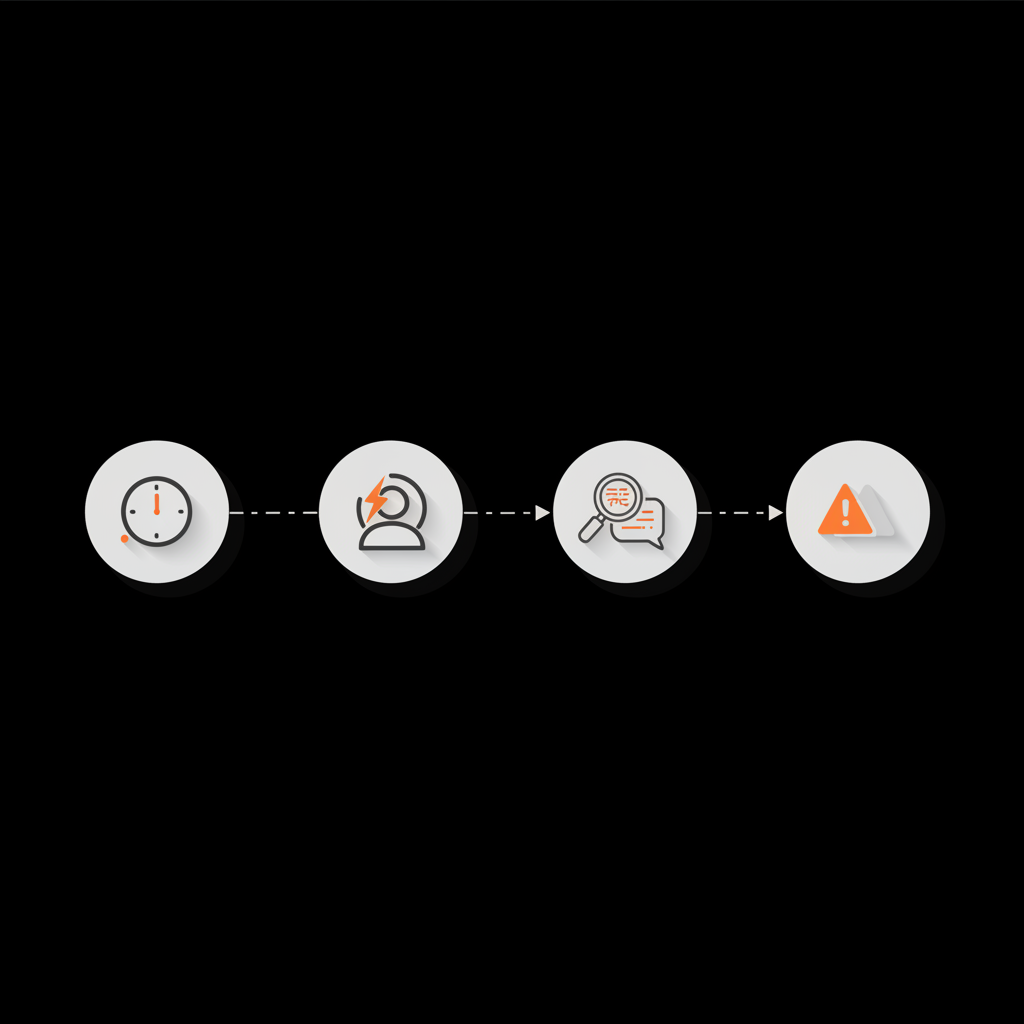
Small businesses, local shops, and sole proprietors are often most vulnerable. A handful of fake Google reviews can change how neighborhood search results appear or convince a new customer to look elsewhere.
How to spot fake Google reviews: practical red flags
Spotting fake Google reviews is both art and pattern recognition. Here are signs to watch for:
Short, generic praise or complaints
Reviews that say only "Great service!" or "Terrible!" without specifics are suspicious. Real customers usually mention a product, service, staff name, or detail.
Timing patterns
If a business receives a cluster of five-star reviews within an hour, or negative reviews all on the same date, it may be a coordinated fake Google reviews push.
Similar wording and usernames
Look for repeated phrases, the same sentence structure, or several accounts with nearly identical names. Bot accounts and paid reviewers often reuse templates.
Account history and activity
Genuine reviewers typically have a history: multiple reviews across different places, photos, or profile details. Accounts created days ago with only one review are a common trait of fake Google reviews.
Overly emotional or absurd claims
Reviews that contain extreme details or implausible events can be a sign of fabrication. That said, emotional reviews can be real - context matters.
What platforms do about fake Google reviews
Google has policies against spam and fake content. They provide a reporting flow and use automated signals to detect suspicious patterns. But the platform handles millions of reviews every day; algorithmic filters and human moderation are imperfect. Because of scale and the need to avoid censorship, many fake Google reviews slip through. According to eMarketer, consumer concern about fake reviews is rising.
Legal and policy remedies
Legal action can sometimes stop or deter persistent defamation and malicious campaigns. However, pursuing a lawsuit is costly and slow. Often the faster route is platform reporting combined with reputation management strategies that drown out fake content with reliable, verifiable information.
How to respond when you find fake Google reviews
Finding a fake Google review is stressful, but how you respond matters. Rushing to delete comments or answering angrily can amplify the issue. Here’s a calm, strategic approach:
1. Document everything
Take screenshots, note URLs, timestamps, and any evidence that shows the review is fake. This documentation is useful for reporting to Google or when working with a reputation team.
2. Report to Google
Use Google’s “Report review” flow. Choose the correct reason (spam, fake content, conflict of interest). Reporting doesn’t guarantee removal, but it’s the first official step.
3. Respond professionally in public
If a review is borderline or you prefer to show transparency, post a calm public reply: acknowledge the concern, offer to resolve offline, and invite direct contact. This shows prospective customers you take feedback seriously and gives you credibility even when a fake Google review remains visible.
4. Flag for legal action if necessary
For sustained defamatory campaigns, consult legal counsel. Sometimes a firm letter or takedown request prompts faster action from hosting platforms or aggregators.
Prevention: building a reputation that resists fake Google reviews
Prevention is always easier than cure. A strong reputation and clear review practices make fake Google reviews less damaging.
If you need discreet, professional assistance, consider our reputation cleanup services which focus on documented, platform-compliant removals and long-term credibility.
Get confidential help removing harmful reviews
Need discreet help removing harmful reviews? If fake Google reviews are affecting your business, get a confidential assessment and tailored strategy from experts who handle reputation cases professionally and sensitively. Reach out and start the cleanup today. Contact our team
Encourage verified, recent reviews
Make it easy for real customers to leave verifiable reviews: send a follow-up email with a direct review link, request photo uploads, and politely remind satisfied customers to share details rather than one-line praise.
Monitor actively
Set up alerts and weekly checks for new reviews. The faster you spot unusual activity, the quicker you can respond or report fake Google reviews.
Keep records of transactions
When you can match a review to a sale, appointment, or interaction, you can use records to prove a review is false. This documentation is useful for platform disputes or legal requests.
Tactical help: what to do if fake Google reviews won’t come down
If a review removal is urgent, a discreet, professional service can speed resolution. The Social Success Hub specializes in reputation cleanup, including targeted review removals that follow platform policy and legal standards. They combine documentation, reporting, and expert negotiation to remove harmful, fake Google reviews while preserving transparency and credibility.
Practical workflow to handle suspected fake Google reviews
Here’s a reproducible process any small business can use:
Step 1 — Triage
Is the review likely fake or simply negative? If fake, prioritize documentation and reporting. If negative and real, focus on resolution.
Step 2 — Public response
Post a short, polite reply to show you’re engaged. Offer contact details and avoid confrontation.
Step 3 — Report
Use Google’s reporting tools and submit all evidence. For coordinated attacks, submit a consolidated report with dates and patterns.
Step 4 — Amplify positives
Encourage satisfied customers to leave detailed reviews. Fresh, authentic reviews reduce the visibility of fake Google reviews in search results.
Step 5 — Escalate if needed
If the review persists, consider professional help or legal options. Keep records of every step.
Tools and techniques that help
Several practical tools make this process easier: dashboard alerts, review aggregators, and simple spreadsheets to track suspicious activity. Use templates for replies and build a short evidence checklist for reporting fake Google reviews quickly.
Why DIY approaches sometimes fail
Many businesses try to fight fake Google reviews themselves and find the platform slow or the outcome unpredictable. The reason is often scale and nuance: Google balances free speech against spam and needs clear, provable evidence to remove content. That’s why documented proof and professional experience often matter.
Ethical lines: what not to do
It can be tempting to retaliate with fake positive reviews to offset bad ones, but that’s risky. Creating fake Google reviews yourself or buying them opens you to penalties and further reputational harm if discovered. Ethical, sustainable strategies always win longer term.
Case study snapshot
A local café noticed a sudden cluster of negative entries after a staffing dispute. The owner documented timestamps, payment records, and screenshots, then reported the pattern to Google. While waiting for moderation, the café invited real customers to share photos and detailed testimonials; within weeks, the fake Google reviews dropped in visibility and Google removed several accounts flagged for coordinated activity.
How businesses can prepare for future attacks
Prepare a short response plan: designate a responder, keep transaction logs, and set up a review encouragement process that makes it easy for real customers to share specifics. Practice calm public replies and maintain a small reserve budget for reputation support if needed.
What consumers can do to avoid being misled
As a consumer, look for verified details, timestamps, reviewer history, and photos. If a listing reads suspiciously - too many one-line raves or dramatic complaints - dig deeper or cross-check other sites before deciding. BrightLocal has a useful overview of why fake reviews are a problem for shoppers.
Why do some people leave obviously false or exaggerated reviews — are they just trolls?
People leave obviously false or exaggerated reviews for many reasons: attention-seeking, vendettas, financial incentives, or simple mistakes. While some are trolls hoping for a reaction, others are part of organized campaigns or bot networks. Understanding motive helps shape the right response — from gentle correction to formal reporting or professional removal.
Emerging trends: will fake Google reviews get worse?
Automation and AI make it easier to generate plausible text and fake accounts, which can increase the volume of fake Google reviews. At the same time, platforms are investing in better detection. The result will likely be a cat-and-mouse game where large-scale abuses need more sophisticated countermeasures. A recent piece on the "truth bias" explains why people are still fooled by plausible but fake reviews - see this study.
When to involve professionals
Bring in experts when a campaign is coordinated, persistent, or clearly intended to defame. Professional teams know how to document patterns, make the strongest possible platform reports, and pursue legal options when appropriate. Tactful professional help focuses on removing fake Google reviews in ways that preserve credibility.
Final checklist: What to do this week
1) Audit your listings for suspicious clusters. 2) Document any suspect reviews. 3) Respond calmly and publicly where sensible. 4) Encourage authentic, detailed reviews from real customers. 5) If a campaign is serious, consult a specialist.
Key takeaways
Fake Google reviews arrive for many reasons: money, spite, attention, mistakes, or bots. They harm businesses and mislead customers. Spot them by looking for timing clusters, generic wording, shallow accounts, and repetition. Respond calmly, document thoroughly, and use platform reporting tools. Build a strong base of authentic reviews to reduce the impact of any fakes. If the issue is severe, discreet professional help can be faster and more effective than do-it-yourself approaches.
Next steps if you’re affected
If fake Google reviews are harming your business, start by documenting evidence and reporting through official channels. If you want help that’s discreet and focused on results, consider reaching out to a reputation specialist who can coordinate removals and protect your long-term credibility. You can also contact us directly for a confidential consultation.
Resources
Look for official platform help centers, local consumer protection resources, and reputable reputation services. Keep records and don’t act emotionally when replying - steady, documented action wins.
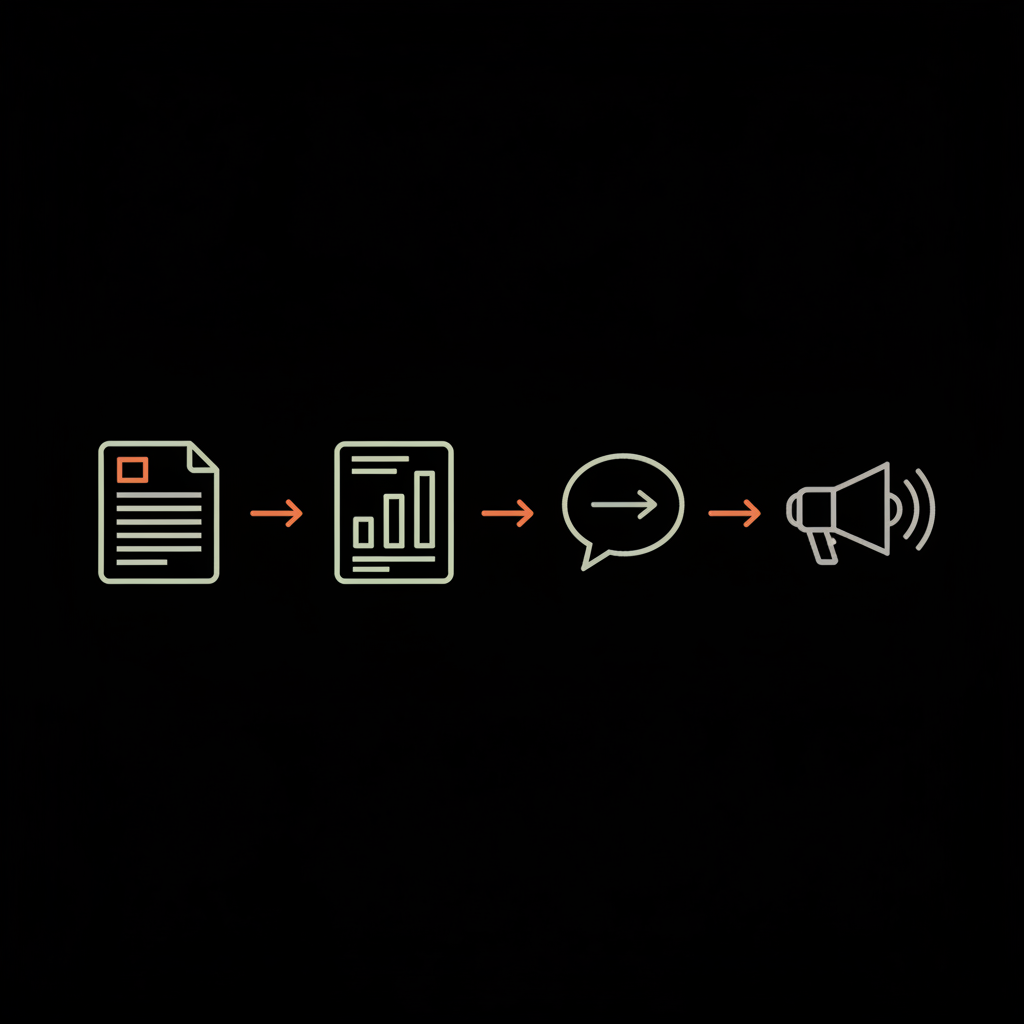
Even if a fake Google review damages trust, you can repair the relationship through transparent action:
How can I tell if a Google review is fake?
Look for patterns: clusters of reviews posted at the same time, generic one-line praise or complaints, similar wording across different accounts, and reviewer profiles with little or no history. Also check for overly emotional claims and photos or transaction records that don’t match. Combined, these signals often indicate fake Google reviews.
Will Google remove fake reviews if I report them?
Google has mechanisms to remove fake Google reviews, but removal is not guaranteed. Reports are reviewed by automated systems and sometimes human moderators. Clear documentation — timestamps, screenshots, and evidence that a reviewer has no legitimate transaction — improves chances of removal. For coordinated or complex cases, professional reputation teams can compile stronger reports and speed the process.
Can the Social Success Hub help remove fake Google reviews?
Yes. The Social Success Hub offers discreet reputation cleanup services, including professional review removals that follow platform policies and legal pathways. They document evidence, submit focused reports, and negotiate with platforms when needed to remove harmful, fake Google reviews while protecting credibility.


Comments