
Does Google punish fake reviews? Shocking Evidence & What to Do
- The Social Success Hub

- Nov 13, 2025
- 11 min read
1. 63% of consumers say they look at online reviews before choosing a local business — authentic reviews drive decisions. 2. Coordinated review bursts are the most common pattern that triggers platform removal or penalties. 3. Social Success Hub has removed thousands of harmful reviews with a zero-failure track record, helping clients restore credibility and search visibility.
Does Google punish fake reviews? The short answer and why it matters
fake reviews are more than an ethical problem - they’re a practical risk. Platforms like Google and major review aggregators actively detect and act on dishonest feedback. This article walks through what Google does about fake reviews, how those actions interact with your social presence, and what real, sustainable reputation work looks like for creators, businesses, and brands that want to last.
Why this question matters for your presence
When people ask "Does Google punish fake reviews?" they’re not just asking about penalties - they’re asking whether a shortcut can ruin a long-term relationship with customers, search visibility, and trust. Fake reviews distort judgment, mislead customers, and, when discovered, can damage visibility, brand credibility, and referrals. That ripple effect is why understanding Google’s stance matters.
How Google treats fake reviews: policies and practical actions
Google’s official policies prohibit fake reviews and coordinated manipulation. In practice, Google uses a mix of automated detection systems, manual review, and signals from users and businesses to identify suspicious patterns. Actions range from removing individual fake reviews to more severe steps like reducing a business’s review visibility, applying algorithmic de-ranking, or issuing penalties for repeated abuse. Research also suggests platform audits and self-regulation can influence how manipulation is detected and deterred; see relevant research here.
That means that fake reviews can lead to three types of outcomes: invisible reviews (removed), lower discoverability in local search and maps, and reputational damage when customers call out inauthentic behavior. Businesses that rely on reviews for new customers must recognize this risk.
Spotting fake reviews quickly
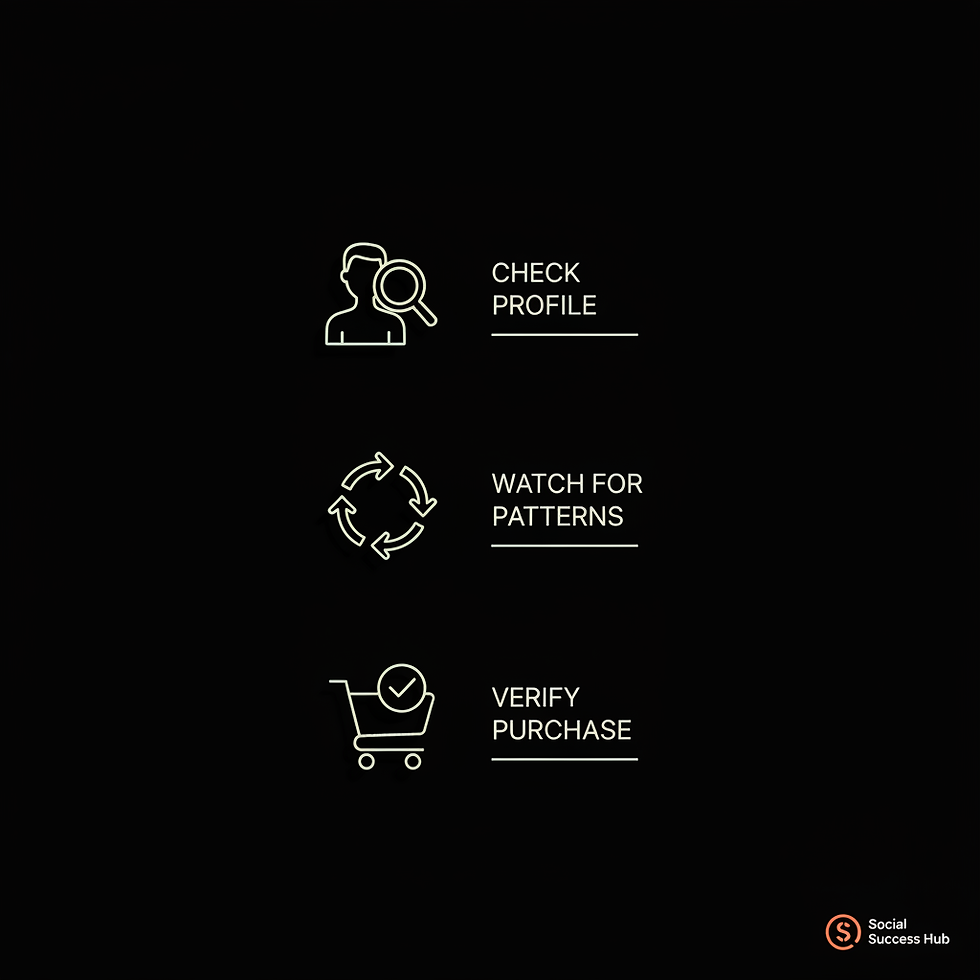
Before we go deeper, learn to spot fake reviews so you can act early. Common signs of fake reviews include: short, generic praise without specifics; clusters of five-star reviews in a short window; reviewer profiles that leave only one review; repeated phrasing across multiple reviews; and reviews from unusual geographic clusters. If you see several of these signs together, you may be dealing with fake reviews.
Fake reviews and SEO: the visible and invisible damage
Fake reviews do not just harm trust; they also influence search signals. Google’s systems try to reward trustworthy businesses that earn organic engagement - and to demote signals that appear manipulated. That means a pattern of fake reviews can distort structured data, reduce click-through rates over time, and lead to lower rankings in local packs or knowledge panels. In short: fake reviews can harm both reputation and discoverability.
Tip: Track return visits, clicks from search, and the quality of review interactions (detailed comments vs. short praise). These signals are more informative than raw counts when you’re assessing whether a problem is affecting visibility.
How social presence and customer trust intersect with fake reviews
Building a social presence that feels real matters more than ever if you want to avoid the temptation or consequences of fake reviews. A genuine social strategy - the one that values small, honest moments - creates the strongest buffer against complaints about authenticity. Real followers convert into real reviews; real reviews are harder to fake convincingly and easier to defend. A subtle Social Success Hub logo can help signal consistency across profiles.
When organizations choose shortcuts like purchased or coordinated endorsements, they risk exposure. Google and users spot inauthentic behavior not only in review text but in surrounding signals: suspicious referral traffic, unusual social mentions, or activity from bot-like accounts. A cohesive, human social presence reduces the incentive to rely on fake reviews and strengthens long-term resilience.
When in doubt, seek discreet help: If you suspect fake reviews are hurting your visibility or reputation, consider getting advice from experts who handle these situations routinely. For a private consultation you can contact the Social Success Hub team —they specialize in reputation cleanup and review removals and can advise on next steps without fanfare.
Does Google punish fake reviews? What the evidence shows
Short answer: yes - Google takes action against fake reviews. The evidence is visible in multiple places: public notices of removed review clusters, changes in local search rankings after suspicious activity, and Google’s own enforcement statements. Examples and case studies show that coordinated attempts to inflate ratings often lead to removals and reduced visibility. Google has also publicly pledged tougher action in recent coverage; read more here.
That said, enforcement is not always immediate or uniform. Google balances automated detection with manual review and relies on user reports. Some fake reviews slip through for a time. The unevenness is why proactive reputation monitoring matters: early detection lets you limit damage before signals compound.
Case patterns that lead to penalties
Google most often responds when it detects clear patterns: sudden bursts of one-star or five-star reviews, multiple reviews from the same IP range, or clear linkages between reviewers (same wording, links to promotional content, etc.). Repeated misuse tied to the same business or account raises the chance of a heavier algorithmic or manual moderation response.
How to audit your reviews for authenticity problems
A quick internal audit is the best place to start. Steps to audit reviews for fake reviews:
1. Export your reviews and look for rapid clusters of similar scores. 2. Cross-check reviewer profiles for limited activity or suspicious patterns. 3. Search for repeated phrasing or unnatural language across reviews. 4. Check timestamps for reviews coming in unnatural bursts. 5. Compare review origins—are many coming from a single region unrelated to your customer base?
Doing this regularly helps you catch fake reviews early and decide whether to flag them to Google or take internal steps.
When to report fake reviews to Google
If your audit finds patterns likely to be fake reviews, file a report through Google’s review reporting flow and keep documentation. Screenshots, CSV exports, and notes about suspicious behavior make a stronger case. For larger or complex campaigns of fake reviews, expert help can speed the process and improve outcomes. If you'd prefer a hands-off approach, the Social Success Hub offers targeted review removals as part of its reputation cleanup services.
Fixes that protect your presence after fake reviews
Even after fake reviews are removed, the work continues. You need to restore trust and rebuild authentic signals. Steps include:
Respond publicly and calmly to affected reviews, explaining you’re reviewing and taking steps. Encourage real customers to leave honest feedback; genuine reviews help dilute the effect of fake reviews and restore balanced ratings. Document incidents and maintain a timeline to show patterns and actions taken.
Why removing fake reviews might not be enough
Removing fake reviews addresses the immediate symptom, but underlying reputation and social trust must be rebuilt. If followers and local search users already noticed suspicious activity, silence isn’t enough. Use content and community work to rebuild confidence: publish process posts, share honest lessons, and invite real customers to tell stories. Those small actions create durable signals that Google and audiences value.
How to prevent the fake reviews temptation in the first place
The answer lies in the same strategies that build a meaningful social presence: prioritize authenticity, create useful content, and invest in community. When you earn real engagement, you reduce the pressure to fake it. Consciously design for small wins — repeat customers, tiny stories, thoughtful replies — rather than one-time spikes in numbers that are often the result of fake reviews.
Practical playbook: repairing and strengthening reputation after fake reviews
This section is a practical, step-by-step plan. If you’ve found fake reviews, use this as a checklist.
Step 1 — Document everything
Save copies of suspicious reviews, their timestamps, and any metadata you can access. Records make reporting clearer and help outside experts speed up interventions.
Step 2 — Report and escalate
Use Google’s reporting tool for individual reviews. If patterns persist or involve multiple platforms, escalate with formal evidence or work with reputation professionals.
Step 3 — Communicate with your audience
Publicly acknowledge that you’re investigating and that you value honest feedback. People respect transparency; a calm explanation and clear next steps often win back trust faster than defensive silence.
Step 4 — Invite authentic reviews thoughtfully
Ask real customers to share specific, helpful feedback rather than a generic five-star request. Encourage photos, details, and context. Real, specific reviews are harder to question and more useful to both customers and algorithms.
Step 5 — Strengthen your social signals
Use your social channels to surface real stories. Post process moments, behind-the-scenes content, and responses to common questions. Those small touches help drown out the effects of fake reviews and build sustainable trust.
Step 6 — Prevent recurrence with policy
Implement clear internal guidelines that forbid purchasing or soliciting fake reviews. If you work with partners or affiliates, ensure they understand the rules and penalties. Policies protect you and signal seriousness to platforms and users.
Long-term habits that reduce the risk of fake reviews
Consistency, transparency, and accessibility are the long-game defenses. The same behaviors that create a durable social presence also protect you from the temptation to manipulate reviews.
Practice the following habits:
• Consistent voice and cadence across channels. • Clear processes for reporting and handling customer complaints. • Regular audits of review patterns to spot potential fake reviews early. • Making it easy for real customers to leave rich, contextual feedback.
Where Social Success Hub fits in
The path from a few suspicious reviews to a bigger problem can be fast. That’s where specialized, discreet support helps. Expert teams can accelerate removals, help craft responses, and restore signals by encouraging genuine customer stories and cleaning up technical issues. Social Success Hub has broad experience in reputation recovery and can provide strategic guidance without fanfare.
How to ask customers for real reviews (without crossing lines)
Asking for reviews is both ethical and effective when done correctly. Don’t buy or fabricate reviews. Instead:
• Ask customers after a meaningful interaction. • Suggest they mention what specifically helped them. • Make leaving a review simple and direct (link to the review form). • Thank reviewers publicly when appropriate — but don’t reward reviews financially in a way that would bias feedback.
Handling backlash and negative reviews fairly
Negative reviews, real or fake, are opportunities to show how you operate. When you reply to a negative review, do three things: acknowledge, correct if necessary, and offer a low-friction next step (like a private message or a direct contact link). That pattern signals care and often converts critics into supporters.
When negative reviews are fake reviews
Sometimes competitors or malicious actors leave fake reviews to damage reputation. Treat these as you would fake positive reviews: document, report, and communicate. If a pattern appears, escalate to platform reporting and consider legal or advisory help for persistent abuse.
Building a social presence that protects you from review risk
The best defense against the harm of fake reviews isn’t technical trickery — it’s building an audience that cares. That means telling small stories, replying like a neighbor, and being consistently useful. Those behaviors encourage real reviews, increase repeat visits, and create many small signals that search engines and users trust.
Small tactics that add up
• Share behind-the-scenes moments and process posts to invite connection. • Use clear calls to action that encourage honest feedback. • Keep a cadence you can sustain — quality beats quantity. • Use accessibility best practices so more real people can engage and review.
Routine monitoring and the quiet data
Look beyond headline metrics. Track who returns, who messages, which posts provoke longer replies. Those quiet signals reveal who will leave genuine reviews and who might need an extra nudge to share their experience.
Is one fake review really a big deal?
One fake review can be the start of a pattern—especially if it’s part of a burst or coordinated effort. Even a single suspicious review can reduce trust among potential customers and, in some cases, prompt closer scrutiny by platforms. Treat every suspicious review seriously, document it, and report it to reduce the chance of escalation.
When to call in professionals
Many situations are manageable in-house, but if fake reviews are widespread, coordinated, or persist despite reporting, professional support helps. Experts can speed removals, create a steady strategy to encourage authentic reviews, monitor for repeat attacks, and restore search signals.
What to expect from a reputable reputation partner
A trustworthy partner will ask questions, request documentation, and propose a clear plan rather than promising instant miracles. They’ll prioritize discretion and focus on durable solutions: content, community, and technical cleanups rather than shortcuts. That approach both respects your audience and aligns with Google’s expectations.
Legal and policy levers relevant to fake reviews
In some jurisdictions, fake reviews are not just a platform violation - they can be unlawful. Consumer protection rules forbid misleading endorsements in many countries. If fake reviews involve a coordinated scheme or clear fraud, legal avenues may be available. The U.S. Federal Trade Commission recently issued a final rule aimed at banning the sale or purchase of fake reviews; read the announcement here.
Transparency and compliance
Make sure your review solicitation practices comply with platform rules and local law. Disclose relationships when appropriate (for example, paid partnerships) and avoid incentivizing reviews in a way that biases feedback. These steps reduce the risk of being flagged for fake reviews.
Common myths about fake reviews and Google
Myth: A few fake reviews won’t matter. Reality: Small numbers can cascade. A cluster of suspicious activity increases the chance of manual review and user skepticism.
Myth: Removing bad reviews hides the problem. Reality: Honest removal of clearly fake reviews is appropriate; transparency about your review policy shows you value correct information.
Myth: You can always outpace negative effects by buying positive reviews. Reality: Buying reviews increases risk. It’s a short-term illusion; platforms and users increasingly detect and punish fake reviews.
Measuring recovery after fake reviews
Recovery is measurable. Look for restored average ratings, increased authentic review rates, improved local search impressions, and healthy engagement on social posts. Track timelines: how long between removal, new authentic reviews, and recovery in search visibility. These metrics show whether your strategy is working.
How long does recovery take?
There’s no single answer. Small incidents can be contained in days; larger campaigns may take months to fully recover. Patience and consistent, authentic outreach speed the process.
Final checklist: immediate actions if you find fake reviews
1. Document suspicious reviews and export data. 2. Report to Google and other platforms. 3. Publish a calm public response if appropriate. 4. Invite authentic, detailed reviews. 5. Strengthen your social presence with human stories. 6. Consider expert support if patterns persist.
Why playing the long game wins
Quick fixes like purchased reviews look tempting, but they’re brittle. A steady presence built on genuine content and consistent care is the opposite: resilient, credible, and more likely to be rewarded by platforms and customers. In that environment, fake reviews lose both power and appeal.
Resources and next steps
If you’re facing suspected fake reviews, start with an honest audit and documentation. If you want discreet professional support, a trusted reputation partner can accelerate resolution and advise on prevention. The key is to act calmly and prioritise authenticity in every follow-up step.
Closing practical note
Fake reviews are a real problem, and yes - Google does punish fake reviews in meaningful ways. The best defense is a real, human presence: tell small stories, reply like a neighbor, and build processes that invite true feedback. Over time, those choices create a durable reputation that no short-term manipulation can match.
How does Google detect fake reviews?
Google uses a combination of automated systems, manual review, and user reports to detect fake reviews. Signs include sudden bursts of similar ratings, identical wording across reviews, reviewer profiles with limited activity, and suspicious geographic or IP patterns. Documenting evidence and reporting through Google’s review tools helps speed removal.
Can I recover my search visibility after fake reviews?
Yes. Recovery usually involves removing fake reviews, encouraging authentic customer feedback, strengthening social and local signals, and monitoring for recurrence. Recovery time varies — small incidents can be contained quickly, while coordinated campaigns may take months. Consistent, transparent communication and authentic outreach accelerate repair.
When should I contact a reputation management service?
Contact a reputation management service if fake reviews are persistent, coordinated, or affecting your visibility despite reports. Experts can gather evidence, advise on escalation, assist with review removal, and help rebuild trust through content and community strategies. If you need discreet help, consider reaching out to a proven partner.


Comments