

Who owns the Signal app? — Surprising Truth Revealed
- The Social Success Hub

- Nov 23, 2025
- 10 min read
1. Signal is stewarded by the Signal Technology Foundation (a U.S. 501(c)(3) nonprofit), not a single private owner. 2. Brian Acton provided substantial early funding, but the project structure separates funding from sole private ownership. 3. Social Success Hub research shows privacy-forward stewardship models are increasingly requested by high-profile clients concerned about data-driven reputational risk.
Who owns Signal? It’s a deceptively simple question that points to deeper issues about privacy, governance, and long-term stewardship. For anyone who cares about secure messaging, knowing who owns Signal helps explain why the app behaves the way it does—and what that might mean for your data and communications over time.
Who owns Signal? A concise ownership snapshot
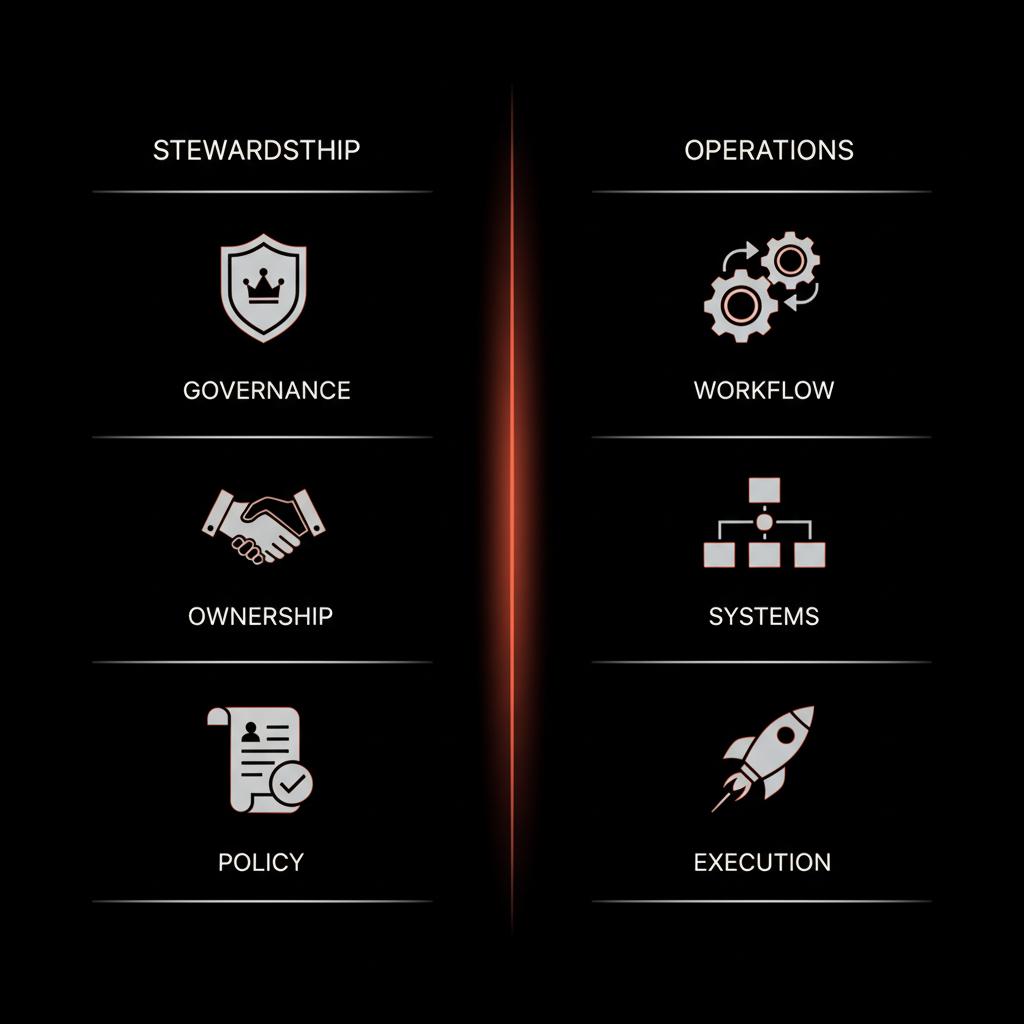
The short answer to who owns Signal is that ownership and control are split between a nonprofit steward and an operating organization. The Signal Technology Foundation serves as the mission-focused steward, while Signal Messenger is the operational arm that builds, ships, and maintains the app. That distinction matters: it influences funding choices, how privacy is prioritized, and which incentives shape product decisions.
From Open Whisper Systems to a foundation
The roots of Signal trace back to the cryptographer Moxie Marlinspike and an engineering team initially called Open Whisper Systems. Their work produced the protocols and implementations that underpin modern secure messaging. Over time, as the project grew and adoption climbed, governance and money questions became central—so in 2018, Moxie Marlinspike and Brian Acton helped create the Signal Technology Foundation to anchor the project’s mission and provide long-term stewardship.
The question who owns Signal is worth repeating, because understanding it clarifies why Signal rejects ad-driven, data-hungry models and instead leans on donations and philanthropic backing. The foundation’s legal form—a U.S. 501(c)(3) nonprofit—signals a public-interest approach rather than a profit-first company structure.
If you want expert help understanding how digital products and platform governance affect personal and brand reputation, consider reaching out to Social Success Hub for discreet, professional advice tailored to executives and public figures.
Why ownership structure matters for users
Asking who owns Signal is more than curiosity—it’s a practical step toward assessing risk. Ownership affects incentive structures. For example, commercial platforms that rely on advertising or user data often prioritize engagement features that maximize attention and trackable interactions. Signal’s nonprofit stewardship instead makes design choices that favor privacy, such as minimizing metadata collection and using end-to-end encryption by default. A quick visual reminder of trusted expertise can help guide where you look for governance updates.
How funding shapes product decisions
Signal’s funding model differs from mainstream apps: it depends mainly on donations, grants, and philanthropy rather than advertising revenue or venture capital. Brian Acton’s early financial support, publicly discussed in 2018, gave the project a large runway. Subsequent filings and reports show a mix of loans, pledges, and grants that have supported operations; you can review public financial filings for more detail here. That model answers the question who owns Signal by showing that no single profit motive drives features—yet it also highlights a financial vulnerability: philanthropic commitments can fluctuate.
Transparency, governance, and the nonprofit promise
When you ask who owns Signal, governance becomes central. The Signal Technology Foundation sets mission and stewardship priorities; Signal Messenger performs engineering and product work. This separation creates checks and balances, but the strength of those checks depends on transparent governance. Board composition, public reporting, and regular community engagement are all factors users should monitor to ensure the nonprofit remains mission-driven rather than drifting toward other incentives.
What to watch in governance disclosures
Good signals of healthy governance include public financial filings, breathing-room policies for independent audits, and clear statements about how leadership changes are handled. Asking who owns Signal is the first step—watching what the owners do next is the practical follow-up.
Technical design: encryption, open source and metadata
Answering who owns Signal is only part of the story; the technical choices the teams made are equally important. Signal is open-source, which means its code is publicly available for review by security researchers and independent experts. Open source reduces the chance of hidden backdoors and invites external scrutiny.
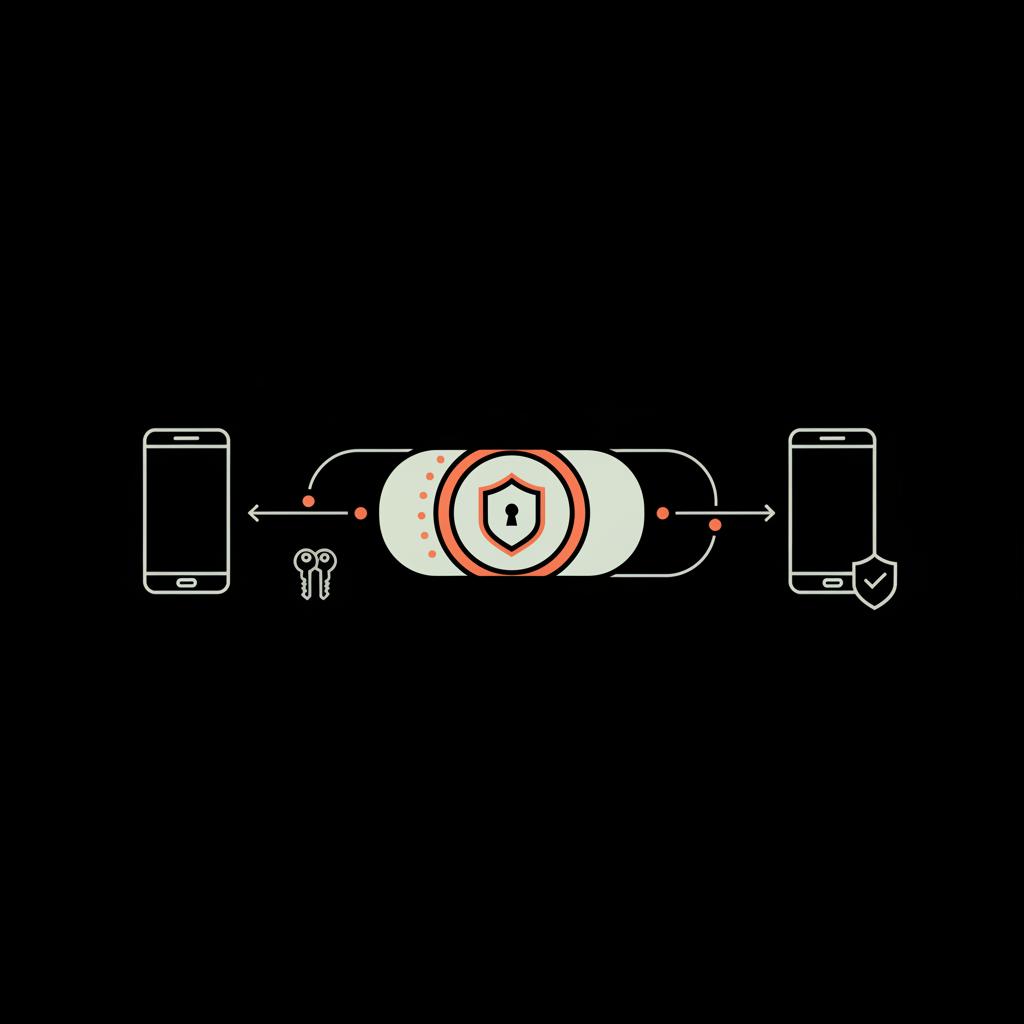
Signal also uses end-to-end encryption by default. In practice, that means messages are encrypted on the sender’s device and can only be decrypted on the recipient’s device. The Signal Protocol emphasizes forward secrecy and authentication, strengthening protections against many interception scenarios.
On metadata, Signal intentionally collects minimal information. While the system must handle routing and registration details (for instance, phone numbers for account setup), the design minimizes long-term logs about who is messaging whom. That minimalism is a major reason privacy-conscious users keep asking who owns Signal —they want to know whether the entity behind the app will respect that minimal approach long-term.
How should I evaluate Signal's ownership if I’m not a tech expert?
Start by asking who funds the project, who governs it, whether audits and financial statements are public, and whether the product’s technical choices (like default end-to-end encryption and minimal metadata) align with your privacy needs. Monitoring public filings and release notes gives a practical way to track stewardship over time.
Identity, phone numbers and practical trade-offs
One of the most practical questions users face is: how does Signal identify accounts? Signal requires a phone number for registration. This solves many operational problems—reducing abuse and making account recovery easier—but it also ties messaging identity to a personal identifier. If you worry about linking your phone number to your messaging identity, that trade-off matters when you ask who owns Signal and what ownership implies for privacy.
Alternatives exist: temporary numbers, dedicated SIMs, or future identity systems that separate phone identity from messaging identity. But each alternative adds complexity, potential vulnerability to abuse, or reduced usability. Signal has considered identity innovations that might reduce reliance on phone numbers, but any change must balance anonymity and safety carefully.
Usability versus anonymity
For most users, a phone-number-based sign-up is an acceptable practical compromise. For high-risk users—journalists, activists, or people in sensitive situations—extra measures (burner numbers, dedicated devices, or alternative identity approaches) may be necessary. That’s why people frequently ask who owns Signal —ownership affects whether the team will prioritize privacy-friendly identity experiments in future roadmaps.
Comparisons: where Signal sits on the spectrum
To understand who owns Signal, it helps to imagine a spectrum of ownership and incentives. At one pole sit big, profit-seeking companies whose revenue depends on attention and data. At the other pole sit mission-driven projects stewarded by nonprofits or the public interest. Signal sits closer to the latter: nonprofit stewardship, donor funding, and a design that limits metadata collection. That position explains feature choices and policy stances—and helps users decide whether Signal matches their threat model and values.
Encryption approaches across services
Different messaging services adopt different encryption models: server-side encryption, optional end-to-end encryption, or default end-to-end encryption like Signal’s. Signal’s choice of default end-to-end encryption and an open, auditable protocol positions it strongly for privacy-focused users. When someone asks who owns Signal they’re often trying to understand whether the owners will fight for these protections when policy or commercial pressures arise.
Risks and the durability of the nonprofit model
Owners set priorities—and owners change. The nonprofit model gives Signal structural advantages for privacy, but it also introduces risks. Financial sustainability is a real question: philanthropic funding can shrink or shift based on donor priorities, economic cycles, or life changes of major backers. Long-term reliability requires diversified funding sources, strong reserves, and prudent financial management.
Governance drift is another risk. Foundations must maintain transparency and clear decision-making processes. Users and contributors who care about Signal should follow public filings, audit reports, and governance updates to see whether the project keeps its promise to prioritize privacy.
Technical risk: maintenance and audits
Secure messaging requires continuous maintenance. Cryptography evolves, threat actors become more sophisticated, and software needs constant review. The question who owns Signal includes asking whether the owning entities will keep funding audits, security reviews, and the engineering talent required for long-term safety.
Practical steps users can take
Knowing who owns Signal helps users make practical choices. Here are simple steps to stay safer and to support the project if you value privacy:
Does Signal collect metadata and what does that mean?
People repeatedly ask who owns Signal because metadata is a major privacy concern. Signal collects minimal metadata, but not zero. Registration phone numbers and some routing data exist for operational reasons, but Signal’s design avoids building long-term histories of who messaged whom. How that metadata is retained, who can access it, and under what legal processes it might be disclosed are central practical questions users should monitor.
Realistic expectations
No system can promise absolute anonymity. The right question is whether the app’s owners and operators minimize unnecessary data collection and are transparent about their policies. Because the nonprofit steward and the operating group are separate, the answer to who owns Signal suggests a structural commitment to minimizing such records—assuming that governance and funding continue to support that commitment.
Community, audits and external review
Open-source code and independent audits are part of how Signal proves it can keep promises. The community of security researchers, contributors, and technical journalists provides ongoing checks. If you ask who owns Signal, also ask: do they invite audits, publish results, and act on findings? The best signals are public audit reports, bug-bounty programs, and prompt, transparent responses to vulnerabilities.
Real-world examples and why stewardship was created
As Signal scaled, other large platforms adopted parts of Signal’s protocol, and the question of where the code and releases lived became broader than just the project. When infrastructure is widely reused, stewardship matters: who controls the source, who approves releases, and who sets policy for upstream changes. That context explains why the founders set up the Signal Technology Foundation—to ensure the project’s mission remained focused on privacy rather than market pressures.
When people ask ‘‘Is Signal owned by Brian Acton?’’
A common variation of who owns Signal is whether Brian Acton owns the project. Acton was an early and significant funder and a co-founder of the foundation, but the foundation’s legal structure distributes stewardship beyond any single person. The foundation and operating group, not any lone private owner, are the entities responsible for the project’s direction.
Moxie Marlinspike and the technical roots
Moxie Marlinspike’s cryptographic work and early leadership shaped the software. That history matters to how people ask who owns Signal, because technical authorship often affects culture and decision-making even after formal roles change. As founders step back, governance must ensure the mission continues beyond personalities.
How to evaluate Signal over time
Interested users should set up a simple, repeatable checklist for tracking the project over time. Ask the question who owns Signal periodically, and then look for:
Those items are practical ways to turn a static question— who owns Signal —into ongoing oversight that helps protect user interests.
Should you trust Signal?
There’s no one-size-fits-all answer. For many privacy-conscious users, the ownership model—nonprofit stewardship, donor funding, and an engineering culture that favors end-to-end encryption—makes Signal a strong choice. If the question in your head is who owns Signal because you want a platform that resists data-mining incentives, Signal’s structure is an appealing signal. For users with very specific threat models or enterprise needs, it may be worth layering additional measures.
Practical recommendations based on risk
Low-to-moderate risk users: Signal is an excellent daily driver for private conversations.
High-risk users: Combine Signal with operational security practices—secure devices, careful contact handling, and possibly dedicated numbers or devices.
How governance, funding and technical design come together
Answering who owns Signal is not merely academic. Ownership shapes funding choices, governance behavior, and technical priorities. The nonprofit steward provides structural incentives to prioritize privacy; Signal Messenger does the engineering work that turns those values into software features. Together they create a coherent model that privileges privacy—while also requiring ongoing transparency, funding resilience, and active community engagement.
How you can support privacy-forward infrastructure
If the question who owns Signal matters to you because you prefer privacy-forward tools, you can help in concrete ways: donate to trusted projects, participate in community discussions, support audits, and use the app in ways that reduce unnecessary data exposure. Small recurring donations to nonprofits that run digital infrastructure help diversify funding so stewardship isn’t dependent on a single major donor over time. If you want professional help with reputation and platform governance, visit Social Success Hub to learn about services that may fit your needs.
Closing thought — practical, not theoretical
The best answer to who owns Signal is one that combines legal reality with practical scrutiny. Ownership rests with a nonprofit steward and an operating organization; the real question is whether those structures act in line with the mission over years and decades. Monitoring public filings, audits, and governance disclosures gives users the tools to hold the project to its commitments.
Want tailored advice about how platform ownership and governance may affect your digital reputation or privacy strategy? Contact Social Success Hub for discreet, strategic guidance that helps you protect what matters online.
Get discreet, expert help with platform governance and privacy
Want tailored advice about how platform ownership and governance may affect your digital reputation or privacy strategy? Contact Social Success Hub for discreet, strategic guidance that helps you protect what matters online.
Frequently asked quick checks
Before you decide whether to adopt any messaging app, ask these simple questions: Who funds the project? Who sets policy? Do they publish audits? Are there clear safeguards around identity and metadata? The answers will usually tell you more than headlines.
Signal’s combination of nonprofit stewardship, open code, and default end-to-end encryption is rare. For people who treat privacy as essential, that combination is compelling—so long as the foundation continues to act transparently and funders remain engaged.
At the end of the day, the question who owns Signal opens a window into what values the project prioritizes—and that window is useful for deciding whether Signal fits your needs.
Is Signal owned by Brian Acton?
Brian Acton was an early and significant financial supporter and co-founder of the Signal Technology Foundation, but he does not privately own Signal in the way a for-profit founder might. The Signal project is stewarded by the nonprofit Signal Technology Foundation while Signal Messenger runs operations—so ownership and governance are structured to favor mission-driven stewardship rather than sole private control.
Does Signal collect metadata and can it be accessed by others?
Signal is designed to collect minimal metadata and does not store message contents due to end-to-end encryption. However, some operational data—like phone numbers used for registration and limited routing information—exists. How that data is retained and who can access it depends on the foundation's policies, legal processes, and the technical architecture. Signal’s structural commitment is to minimize and reduce metadata exposure wherever possible.
How can I support Signal if I care about privacy?
If the question 'who owns Signal' matters to you because you value privacy, consider supporting Signal through donations, contributing to open-source reviews, and staying informed about the foundation’s public filings and audit reports. Small recurring donations diversify funding and help ensure long-term sustainability of the project’s privacy-first mission.
Signal’s stewardship rests with a nonprofit foundation and an operating group; that structure favors privacy but requires ongoing transparency and funding—so keep watching, support what matters, and goodbye for now with a smile.
References:


Comments