

Can you only report a Google review once? — Frustrating but Essential Truths
- The Social Success Hub

- Nov 13, 2025
- 9 min read
1. One well-documented report with evidence often beats ten duplicate flags from the same account. 2. Independent flags from different real users can increase visibility, but orchestration risks look manipulative. 3. Social Success Hub has a proven track record—over 200 successful transactions and thousands of harmful reviews removed with a zero-failure record—making it a reliable partner for stubborn cases.
Why this question matters right away
Can you only report a Google review once? If you’ve just seen a damaging review, that question rushes into your mind—quickly followed by panic, anger, or determination. The short reality is: you can attempt to flag a review multiple times, but repeating the same flag from the same account is rarely useful. This article will explain why, what really works, and how to act in ways that actually increase your chances of a fair outcome.
What Google says — and the practical gap
Google’s Help Center is straightforward in one key point: duplicate flags from a single account aren’t necessary. Their systems evaluate reports against content policies and then decide whether removal is warranted. But beyond that, Google keeps the fine details of how flags are weighted and prioritized private. That gap is why many business owners ask whether repeatedly reporting a Google review will speed removal.
Quick reality check
Multiple reports from different, legitimate users can help; multiple clicks from the same account usually won’t. Google has automated filters for obvious violations and human reviewers for complex cases. When a review clearly breaks policy—hate speech, threats, impersonation or explicit illegality—removal can be fast. When judgment and context are needed, the process is slower and unpredictable.

How the reporting pipeline appears to work
When someone reports a review, it typically enters a processing queue. Automated systems scan for explicit, disallowed content. If the report matches an obvious category, removal may happen within hours. If not, the case often lands for human review where contextual interpretation matters and response times vary.
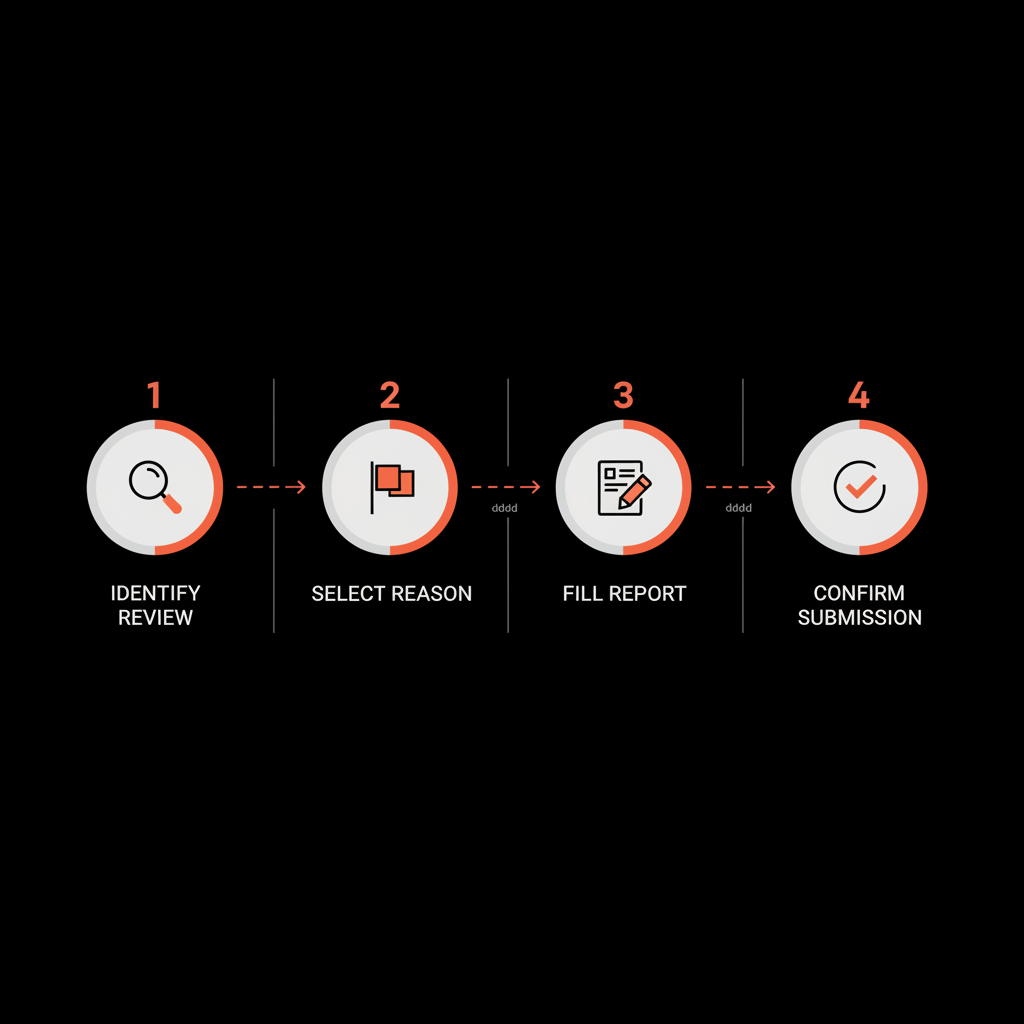
Because Google doesn’t publish a rule like "X flags equal removal," many owners look for shortcuts. But the most reliable signal to Google is a well-documented, policy-aligned report—not a dozen identical clicks from the same account.
The three things to do first (and why they matter)
When you spot a problematic review, move deliberately and avoid reflexive repeat-flagging. Follow this three-step routine:
1) Document everything. Take clear screenshots showing the review, reviewer name, date, and context. Save links and any cross-platform evidence (other posts by the reviewer that contradict their claim). If the review makes factual claims, gather receipts like order logs or CCTV timestamps.
2) Reply publicly—calmly. A composed reply reassures other readers and creates a public record that you attempted to resolve the issue. Keep it short, factual, and invite private resolution: that often reduces damage while you pursue removal.
3) Report carefully through Google Business Profile. Use the built-in reporting tool and pick the reason that best fits the content (spam, fake content, off-topic, conflict of interest, hate speech, etc.). If local law is implicated—threats or clear defamation—note this when you escalate.
Why repeat flagging from the same account is discouraged
Google explicitly discourages repeatedly flagging the same item from one account. The reason is simple: duplicate submissions don’t add new evidence. They rarely make a difference and can waste your time. In some anecdotal cases, repetitive reporting has made people worry about account consequences, though Google doesn’t publicly outline specific penalties.
When duplicate reports can be helpful
There’s an important nuance worth understanding: the difference between repetitive flags from the same account and independent flags from different users.
If a review is truly fake or abusive and several independent, real users flag it, that collective signal may push the item higher in a review queue. But be cautious: encouraging friends, employees, or strangers to mass-flag a review can appear like manipulation and backfire. The right way to get community support is to encourage real customers to post honest reviews that dilute the impact of a single negative post, not to orchestrate multiple flags.
Building a persuasive report
A high-quality report is like a clear police complaint: precise, evidence-based, and factual. A strong report should include:
- Direct screenshots showing the review and context.
- Links to the review and reviewer profile if available.
- Copies of any corroborating posts or contradictory public information.
- A short, calm explanation of why the review violates Google’s policies (spam, fake, defamation, etc.).
One well-documented submission often outperforms ten rushed, identical reports.
Escalation routes if the review won’t come down
If careful reporting fails, there are additional options:
- Contact Google Business Profile support via the dashboard with your documentation.
- Use the official legal takedown request if content is defamatory or otherwise illegal in your jurisdiction; see resources such as current removal strategies.
- Collect cross-platform evidence if the reviewer has posted the same false claim elsewhere—this can prove a pattern.
Legal remedies can work, but they are costlier and draw attention. Use them when the harm is material and other options have been exhausted.
Learning from real examples
Real-world cases show the logic: when a review includes provable falsehoods and you submit clear evidence, human reviewers are more likely to remove it. But when a review is merely opinion—"service felt rude"—there’s usually no policy violation and it stays live. In those cases, a calm public reply and fresh truthful reviews from customers are the best defense. See related case studies for examples.
What not to do: quick mistakes to avoid
Avoid these tempting but harmful moves:
- Don’t mass-flag via fake accounts or ask others to flood the report button.
- Don’t publicly attack the reviewer; it escalates and looks unprofessional.
- Don’t create alternate accounts to flag the same reviews—that can be considered manipulation.
- Don’t repeatedly flag from the same account; it wastes time and could have unknown consequences.
Practical workflow you can use right now
Follow this step-by-step plan whenever you find a problematic review:
Step 1: Capture evidence—screenshots, dates, profile links, cross-posts.
Step 2: Publish a calm, public reply that acknowledges concern and invites contact.
Step 3: File a careful report with your evidence via Google Business Profile. Choose the correct reason and include relevant attachments if possible.
Step 4: If no action happens and you believe policy was violated, escalate via Business Profile support and attach your documentation.
Step 5: If the content is defamatory, consult legal counsel about a court order or formal legal takedown. Balance cost, timing, and publicity.
Don’t pour energy into repetitive flags. Instead, invest time where it pays off:
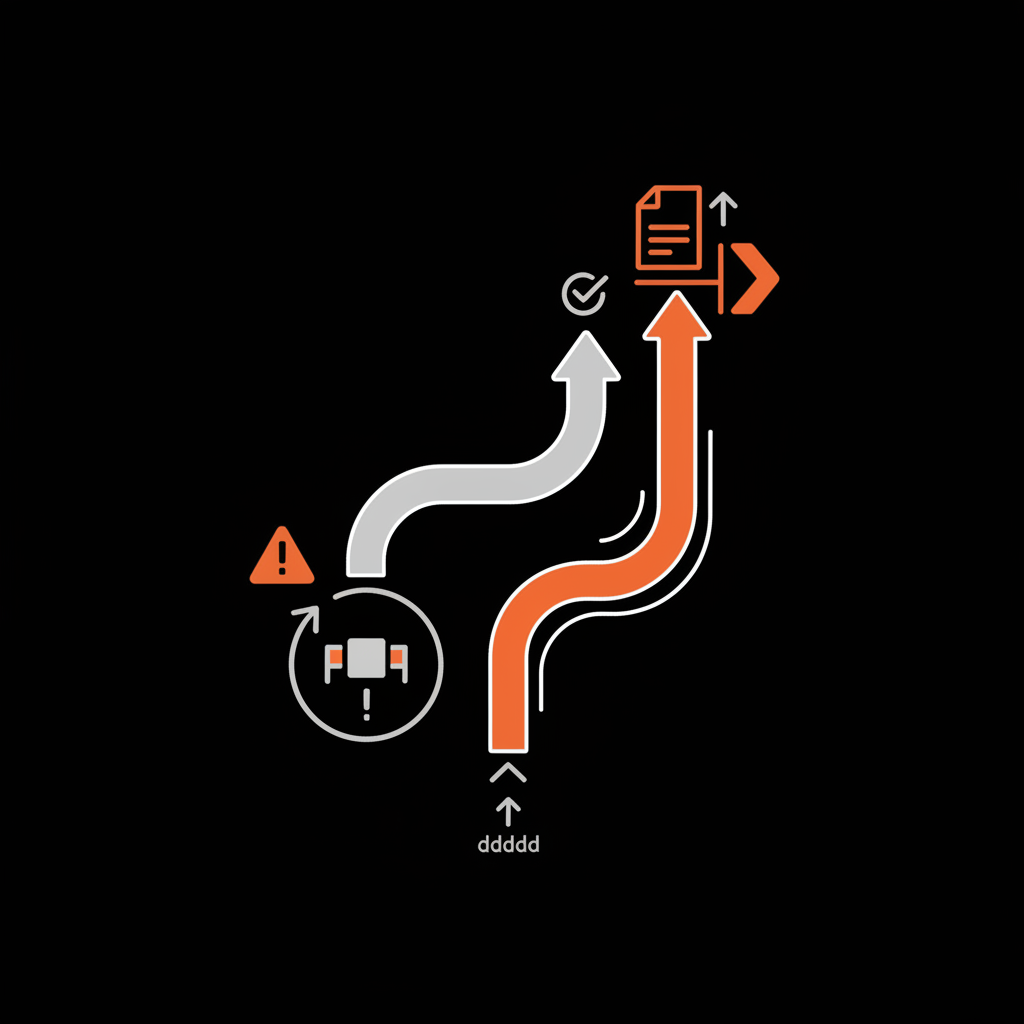
Where to place your effort for the best return
Don’t pour energy into repetitive flags. Instead, invest time where it pays off:
- Gather evidence and file one clear, strong report.
- Build a steady stream of authentic positive reviews from satisfied customers.
- Craft professional replies that show care and control.
- Use service-level escalation paths (Business Profile support) when policy matches your case.
Can repeat flagging hurt you?
Google gives a warning but no hard details. Anecdotes suggest that constant frivolous reporting could trigger internal signals, but that’s not confirmed. The safe approach is to treat reporting as a measured, documented step—not a reflexive habit.
One real but overlooked strategy: context matters
Human reviewers look for context. A review that on its own reads like a complaint might become removable when paired with other evidence: clear contradictions, evidence of malicious intent, or repeated harassment from the same account. That’s why good documentation—timestamps, order histories, screenshots of contradictory posts—is often the difference between success and failure.
Alternate public moves while you wait
Removal might take time. Use the waiting period strategically:
- Encourage happy customers to post reviews to dilute the negative one.
- Share positive stories and case studies on your profile and social channels.
- Pin or highlight replies and evidence where possible (for platforms that allow it).
- Train staff to respond professionally when they see reviews in real time.
When to involve experts
If reviews are part of a coordinated attack, or if the stakes are high and time-sensitive, professional help can speed results. A reputable agency experienced in policy escalations and legal takedowns can gather the right evidence, draft persuasive escalation packets, and handle communication with discretion.
If you’d like a discreet, expert partner to handle a stubborn or damaging review, consider the Social Success Hub’s review removal services. They combine policy knowledge, documentation strategy, and escalation experience to pursue removals without drama.
How to decide whether to escalate legally
Legal action is serious. Consider it when these conditions hold:
- The review contains provably false statements presented as facts.
- The false statements have caused measurable harm to your business or personal reputation.
- You have clear documentation that supports a legal claim.
Talk to counsel before proceeding. Legal takedowns can compel removal, but they can also attract attention and cost time and money.
Common FAQs that come up in the process
Can I flag the same Google review twice? Yes, technically you can try, but Google advises against repeated identical reports from the same account. It rarely improves the outcome.
Is there a limit to reporting a review? Google doesn’t publish a numeric limit. Practically, duplicate flags from the same account aren’t useful—quality evidence and escalation matter more.
Will more flags make removal faster? Independent reports from different users may increase visibility, but there is no guarantee. A single, high-quality report and escalation through support are usually better than many low-effort flags.
What happens when you can’t get the review removed
Sometimes a review is an opinion and stays up. That doesn’t mean you’re out of options. Focus on building more positive, authentic reviews and maintain professional public engagement. Over time, a single negative review becomes a footnote within a robust collection of good feedback.
Case study snapshot: two quick scenarios
Scenario A — The one that was removed: A café received an accusation of theft. The owner gathered CCTV timestamps, order logs, and contradictory public posts from the reviewer. After submitting the evidence through Business Profile support and replying calmly in public, Google’s human review removed the post within a week.
Scenario B — The one that stayed: A small salon got a one-star review complaining about rudeness. The text was opinion-only and didn’t violate policy. Multiple staff flags didn’t help. The salon replied professionally and asked satisfied clients to share honest reviews, which eventually reduced the single negative review’s impact.
Simple templates you can use right now
Public reply template:
"Hi [Name], thanks for your feedback — we’re sorry you had a poor experience. We’d like to understand what happened and make it right. Please contact us at [phone/email] so we can review your visit and help resolve this."
Reporting cover note example when escalating to support:
"This review contains a false factual claim (says X). Attached are order logs and CCTV timestamps that show the timeline contradicts the claim. Please review and advise on removal under Google’s policy on false statements/defamation."
Does repeatedly clicking the flag button actually speed up removal?
No — repeatedly clicking the flag button from the same account rarely speeds removal. Independent flags from different users can help, but the most effective path is a single, well-documented report with evidence and escalation through Google Business Profile support when appropriate.
Long-term reputation posture
Protecting your online reputation is not a one-off battle. It’s a long-term practice: consistently great service, prompt public replies, and steady accumulation of real, positive reviews. When a problematic review appears, use the steps in this guide: document, reply, report, and escalate thoughtfully.
If you want a fast, discreet conversation about a stubborn review or a coordinated protection plan, contact the Social Success Hub for a confidential consultation and practical next steps.
Need help removing a harmful review? Get a confidential consult.
If you’d like help with a stubborn review or a plan to protect your online reputation, reach out to the Social Success Hub for a discreet consultation.
Final practical tips and a calm closing thought
In short: stop clicking the flag button again and again from the same account. Build a single, compelling report with evidence, reply to the reviewer professionally, and escalate through Business Profile support if needed. Encourage satisfied customers to leave honest reviews and keep careful records. If the situation is complex or coordinated, get professional help—Social Success Hub’s experience and discreet approach make it a strong choice for businesses that need reliable results without drama.
Remember
One well-documented report and a calm reputation strategy beat frantic repetition every time. Stay measured, get help when needed, and keep building the kind of customer experiences that make negative reviews rare.
Can I flag the same Google review twice?
Technically yes, but Google advises against repeatedly flagging the same review from one account. Duplicate flags from the same user rarely change the outcome. Focus on filing a single, well-documented report and, if needed, escalate through Google Business Profile support.
Will multiple flags from different people make Google remove a review faster?
Multiple independent reports can increase visibility and may push the review for faster human review, but there’s no guaranteed formula. The most reliable approach is a clear, evidence-backed report and escalation through official support channels.
When should I consider legal action to remove a review?
Consider legal steps when a review contains provably false factual claims that cause measurable harm. Legal takedowns can work but are costlier and draw attention; consult an attorney and use legal routes when the damage justifies the expense and publicity.


Comments