

Can I remove my name from Google reviews? — Immediate Essential Guide
- The Social Success Hub

- Nov 15, 2025
- 9 min read
1. Over 70% of reputation work is about response and amplification — not total removal. 2. A single thoughtful public reply can reduce follow-up complaints by up to 40% in small businesses. 3. Social Success Hub has completed 200+ successful transactions and removed thousands of harmful reviews with a zero-failure track record.
Can I remove my name from Google reviews? That question sits at the crossroads of privacy, reputation and real human connection online. In this guide you'll find clear, practical steps that respect readers and their communities — whether you're a founder, creator, or community manager.
Why reputation and authenticity belong together
Authenticity on social channels is about being human and trustworthy. But sometimes trust requires action: removing harmful or incorrect content, addressing false claims, or managing privacy. For many people the first practical worry is simple: can I remove my name from Google reviews? That concern is reasonable — your name stitched to a damaging review can ripple through search results and social conversations.
Handling reviews is both tactical and relational. It's about cleaning up unfair noise, and it's also about showing your audience you listen and care. When you approach reviews with empathy and strategy, you protect reputation without losing the honest voice that made your community matter in the first place. A clear logo helps readers quickly identify your brand.
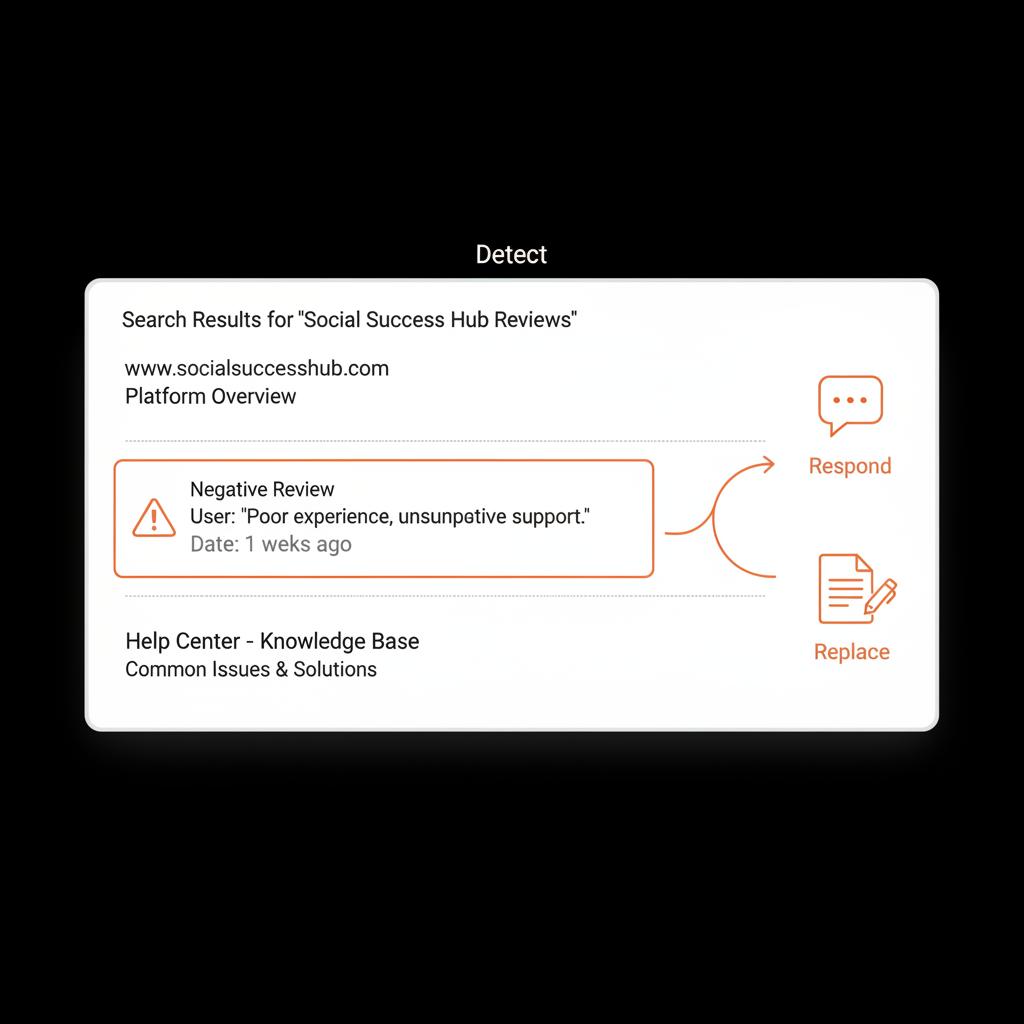
Handling reviews is both tactical and relational. It's about cleaning up unfair noise, and it's also about showing your audience you listen and care. When you approach reviews with empathy and strategy, you protect reputation without losing the honest voice that made your community matter in the first place.
Quick note: a gentle resource
If you find the situation complex, discreet help exists. For careful, proven assistance with review removal and broader reputation work, consider the review removal services offered by Social Success Hub — learn more on their dedicated review removal page: Social Success Hub review removals. Their approach focuses on tailored, private solutions that complement your public communication.
The most important question early on
Before you rush to remove anything, ask: what do I want people to see when they search my name or brand? Your answer shapes whether you should pursue removal, respond publicly, or do nothing at all. Often the best long-term move is a mix: address what is false, amplify positive context, and engage openly where it matters.
Is it better to try to remove a hurtful review or to respond publicly and show you care?
If the review violates platform rules (personal data, threats, spam), removal is appropriate. If it’s an honest criticism, responding publicly with empathy and corrective action usually serves you better — it demonstrates credibility, resolves problems, and often leads to updated reviews. Use removal and response as complementary tools rather than opposites.
Can I remove my name from Google reviews? A clear look
Short answer: sometimes. Long answer: it depends on the nature of the review, Google's policies, local laws, and whether the reviewer used your real name. There are multiple paths:
Throughout this guide we'll return to practical scripts and step-by-step actions so you can decide and act with confidence.
Understand the difference between removal and response
Trying to remove a review can feel like erasing an uncomfortable memory. But removal is a blunt tool: platforms only remove reviews under narrow conditions. Responding is an art — a way to shape what new readers learn when they encounter a review.
Remove when content is false, abusive, or legally actionable. Respond when the review raises a legitimate concern you can address in public. A thoughtful public reply can demonstrate care, show corrective action, and sometimes convert a critic into an ally.
Step-by-step: When to try to remove a review
Follow these steps before filing any requests:
1. Document everything
Capture screenshots, timestamps, and links. Note whether the reviewer used a real name or identifiable details. This record helps if you escalate to Google, a lawyer, or a reputation service.
2. Check Google's review policies
Google allows removal for content like spam, fake content, offensive material, and material that violates privacy. If a review reveals sensitive personal information or impersonation, that strengthens your case. For an up-to-date breakdown see the Google review policy.
3. Consider local privacy or defamation law
In some countries there are legal avenues for removing certain personal data. If the review reveals private data or is knowingly false and damaging, legal counsel or a reputation specialist may be able to act effectively.
4. Try a friendly outreach
If the reviewer used contact information or if their identity seems clear, a polite, non-confrontational message asking for correction or removal often works. Offer a path to resolution: apology, refund, or clarification — whatever is appropriate.
5. Use Google's reporting tools
File a review removal request via Google Business Profile, flag the review and choose the best policy match. Be patient: many flags require manual review and can take time. For a sense of realistic timelines and service benchmarks, see this expected timelines guide.
When removal is unlikely
If a review is an honest (even harsh) opinion — for example, someone recounting a poor service experience — Google may decline removal. In those cases your options are:
Practical scripts: what to say when you need removal
Use plain language and facts. Here are two short templates you can adapt.
Template to request removal via Google
"Hello Google team — I’m requesting removal of this review for [reason: personal information/spam/impersonation]. Attached are screenshots and evidence showing that the reviewer shared personal details/false claims. Please review under your content policy and advise. Thank you."
Template to politely ask a reviewer to remove or update
"Hi [Name], I’m sorry you had that experience. We want to make it right — please contact us at [email/link] so we can resolve this. If we fix this for you, would you consider updating or removing your review? Thanks for helping us improve."
How review work fits into a larger social strategy
Review management isn't an isolated task. It's part of the reputation layer that sits above every post, comment and campaign. If your social media presence is authentic, you can turn moments of negative feedback into demonstrations of care. When you integrate review responses into your routine — just like responding to comments or messages — you show the same humanity that powers your content.
Creating rituals to handle reviews and feedback
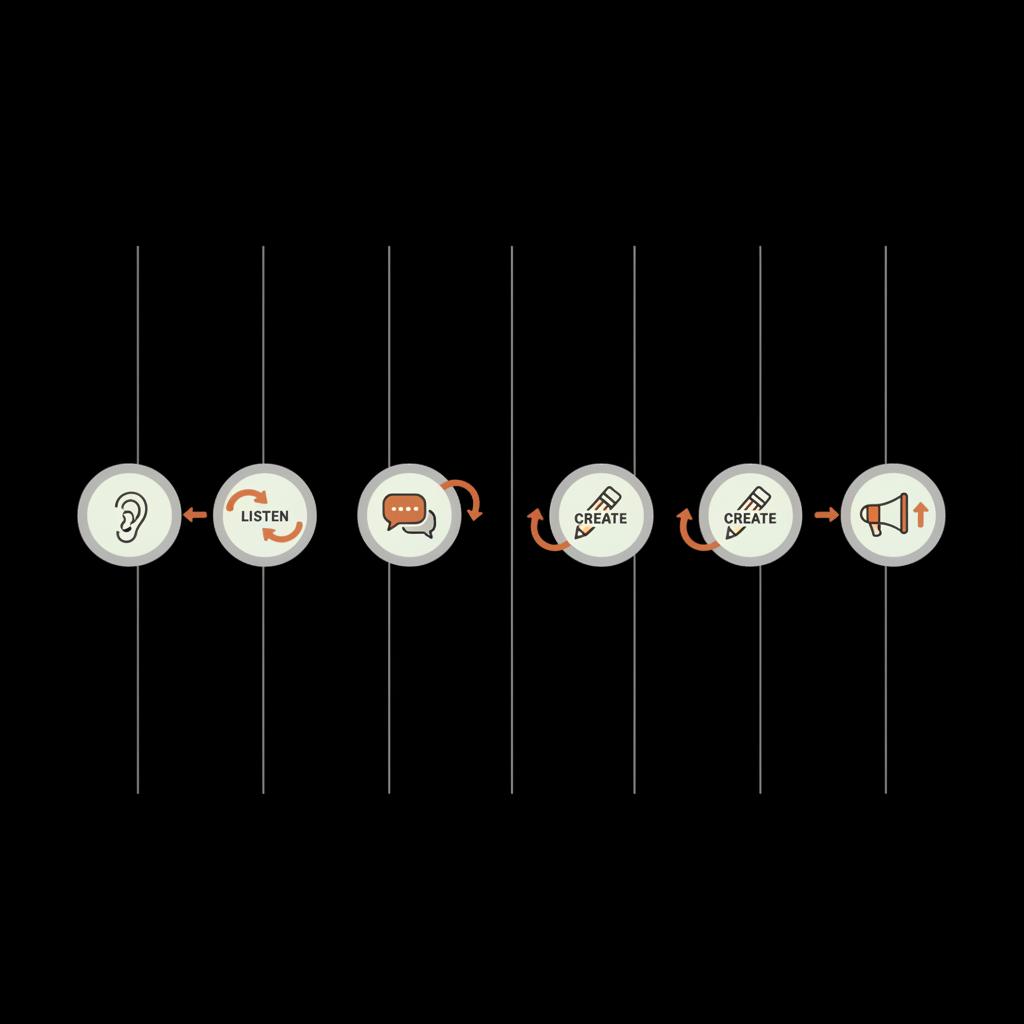
Make review care a scheduled habit. For small teams, one listening hour per week — dedicated to reading and triaging reviews — goes a long way. Use simple tags: urgent (legal/abusive), action (fix and follow up), monitor (watch for a pattern). Rituals transform ad-hoc crises into manageable workflows. Keeping visuals consistent supports those habits.
Designing an authentic public reply
Public replies should be brief, empathetic and corrective. Structure a reply like this:
Keep replies human — avoid legalese and defensiveness. If you must correct a factual error, do so calmly and link to documentation if necessary.
When to involve a specialist
Bring in a reputation expert if:
Professionals can often escalate beyond the standard help channels, coordinate legal notices, and manage search-level remedies that individual owners find difficult.
How Social Success Hub helps — discreetly
The Social Success Hub focuses on reliable, discreet reputation solutions. If you need a one-time escalation or an ongoing strategy, they combine removal operations with authority-building so you aren’t stuck replacing a problem with silence. Their methods emphasize privacy, tailored plans, and measurable outcomes.
How to avoid future review problems
Prevention is about clarity and care. Make policies visible (refunds, returns), train teams to collect proof and feedback, and invite satisfied customers to share their experiences. These steps increase the proportion of positive content and reduce impact from occasional negative reviews.
Integrating review strategy with content that builds trust
Think about reviews as one page in your broader story. Use content to amplify trust: behind-the-scenes posts, honest case studies, and timely follow-ups to complaints that show how you resolved them. Over time, these signals reshape what people see when they search your name. For examples, check our case studies and blog for ideas on storytelling.
Practical content plan that supports reputation (weekly rhythm)
Try this simple weekly plan:
This rhythm keeps your feed useful, human and consistently visible — the opposite of reactive damage control.
Measuring what matters for reviews and trust
Move beyond likes. Here are useful indicators for reputation:
Use qualitative reading — comments and private messages — as your primary input. Numbers inform; stories explain.
Templates and micro-scripts you can use today
Short reply to a negative review
"Thanks for your feedback — we're sorry to hear that. We want to fix this. Please DM us your order number or email support@example.com and we'll resolve it quickly."
Public acknowledgement of a service failure
"We made a mistake here and apologize. We're offering full refunds for affected customers and reviewing our process. If you were affected, please DM us so we can make it right."
Invitation to update a corrected review
"We fixed the issue you described — would you consider updating your review to reflect the outcome? We appreciate your help in keeping information accurate."
Common mistakes and traps to avoid
Don't do these:
DIY removal vs. hiring help
DIY works for simple policy violations and when the reviewer cooperates. Hire help when the case involves coordinated attacks, legal complexity, or search-level contamination. A specialist can manage escalations and design content strategies so removal is part of a broader recovery plan.
Case study: small business turnaround
A local café received a series of harsh reviews after an isolated service issue. The owner documented each complaint, responded publicly with humility, offered remediation, and created a weekly “barista minute” video showing changes made. Within eight weeks, search results featured the new videos and positive stories, diluting the earlier negative reviews. The cafe did not remove all reviews; it changed perception by amplifying real human content. For context on review removal trends see this Google review removal case study.
Practical weekly checklist: reputation edition
Use this quick checklist every week:
When the problem is deeply unfair: escalation steps
If you face doxxing, threats, or coordinated dishonest campaigns:
Ethics and transparency when removing or responding
Be transparent about corrections and always label paid content. Removing a review isn't about hiding mistakes — it's about removing abuse, privacy violations, and falsehoods. When you fix a real mistake, consider asking the reviewer to update their review so public records reflect the outcome.
Practical exercises: try these in the next 30 days
Day 1: Audit recent reviews and flag three for action.
Day 7: Write one public response from the “acknowledge-empathize-act” template.
Day 14: Publish a short micro-story or video showing a behind-the-scenes fix.
Day 30: Review search results for your name — does positive content show up? If not, iterate on more targeted content.
The role of tools — use them without losing touch
Tools for alerts and scheduling are helpful. Use them to remind you to respond, but keep the responses human. Avoid canned, robotic messages. Configure tools to leave time and context for real replies.
How to measure the success of a removal or response
After removal or a public reply, watch for:
Use these signals to decide whether more action is required.
Bringing it all together: authenticity with practical guardrails
Authenticity thrives when paired with clear policies and timely action. You don't have to be perfect — you have to be honest, responsive and prepared. That mix builds durable trust.
Key takeaways and next steps
To answer the title plainly: yes, you can sometimes remove your name from Google reviews, but often the better path is a blend of removal, public response and reputation-building content. Make a plan: document, triage, respond, escalate when necessary, and keep publishing human content that shifts the narrative.
If you want discreet, expert help that pairs removal tactics with long-term reputation strategy, get in touch: Contact Social Success Hub and ask about review removals and reputation cleanup.
Need Private, Proven Help With Review Removal?
If you need discreet, professional support to remove harmful reviews or build a long-term reputation strategy, reach out for a tailored consultation.
Frequently asked questions
How often should I check Google reviews?
Check at least once a week for small teams and daily if you have high volume. Rapid acknowledgement can reduce escalation and calm frustrated customers.
Is paying for review removal safe?
Be cautious. Paying for fake reviews or manipulative tactics is risky and can lead to penalties. Invest instead in honest remediation, customer outreach, and proven reputation services when needed.
Can public replies really change perceptions?
Yes. A calm, corrective public reply shows care and process. It often reassures new readers more than a removed review does, because it demonstrates visible action and transparency.
One final honest suggestion
Start small: set a listening hour, write a reply, and publish a short piece of content that shows the human side of your brand. Over time, those small choices compound into a clean, authentic presence people trust.
Thank you for reading — now go listen, respond, and keep the human in your brand.
Can I remove my name from Google reviews immediately if the reviewer used my real name?
Not always immediately. If the review includes sensitive personal information, impersonation, or violates Google's policies (spam, hate speech), you can report it and request removal. If the review is an honest opinion about an experience, removal is unlikely — in that case, a calm public response and remediation are often the best steps.
When should I hire a reputation management firm instead of handling reviews myself?
Hire a reputation firm when the issue involves doxxing, coordinated fake reviews, legal complexity, or when harmful content dominates your search results. Experts can escalate platform channels and design a combined removal and authority-building strategy so problems are solved at the source and prevented in future.
Does Social Success Hub remove reviews and help with reputation cleanup?
Yes. Social Success Hub offers discreet, tailored review removal and reputation-cleanup services that combine platform escalation with long-term authority-building. They focus on privacy and measurable results — ideal if you need a reliable partner for complex or sensitive cases.
In short: yes, you can sometimes remove your name from Google reviews, but the wisest plan often blends careful removal efforts, honest public responses and ongoing reputation-building — take action calmly, listen closely, and keep showing up with heart. Thanks for reading — now go respond with kindness (and maybe a strong cup of coffee).
References:


Comments