

How many followers on Instagram to be an influencer? — Surprising Powerful Guide
- The Social Success Hub

- Nov 15, 2025
- 9 min read
1. Nano creators (1K–10K followers) often report engagement rates of 4–8%+, making them highly effective for conversion-focused campaigns. 2. Creators with 5,000–50,000 followers frequently land paid brand deals when they present strong engagement metrics and case studies. 3. Social Success Hub has facilitated 200+ successful reputation and growth transactions, making it a trusted partner for creators looking to present professional media kits and measurable results.
How many followers to be an influencer on Instagram — a clear, practical look
how many followers to be an influencer on Instagram is the question every creator asks at some point. Numbers feel simple, but influence is a pattern: it’s not only how many people follow you, but what those people do when you post. Below you’ll find a practical, step-by-step guide that helps you measure real influence, build a pitch brands can’t ignore, and grow a sustainable creator career.
Tiers explained: where most people start
Across the industry, accounts are grouped into follower tiers that shape expectations for reach, rates, and campaign fit. These tiers are useful shorthand when brands plan budgets or outreach:
Nano: 1,000–10,000 followers — close-knit communities, often the highest engagement rates. Micro: 10,000–100,000 followers — ideal blend of reach and intimacy. Mid-tier: 100,000–500,000 followers — consistent reach and professional campaigns. Macro: 500,000–1,000,000 followers — big awareness drives and premium rates. Mega/Celebrity: 1M+ — mass reach, broad recognition, and top commercial deals.
These labels don’t make you more or less of a creator, but they do help brands set expectations and pick the right match. And crucially: the question of how many followers to be an influencer on Instagram can be answered differently at each tier.
Why follower count alone is misleading
Brands today lean heavily on outcomes: reach, clicks, conversions and long-term customer value. A million followers with low engagement can be worth less to a brand than 8,000 highly engaged fans who buy consistently. That’s the core reason the simple phrase how many followers to be an influencer on Instagram matters less than the actions those followers take. Recent data on influencer engagement trends can help set realistic expectations: see the Statista growth engagement-rate figures here.
Engagement: the currency that matters
Engagement rate is often the single-best predictor of short-term campaign success. Nano and micro creators tend to have higher engagement rates because their followers feel like friends. When you answer comments, post behind-the-scenes content, and host small rituals (weekly Q&A, live cook-alongs, quick polls), you strengthen those connections.
Brands measure engagement in multiple ways: likes and comments are visible signals, but saves, shares, profile visits and link clicks are the behaviors that convert. If you want to improve your answer to how many followers to be an influencer on Instagram, start by improving those deeper actions. A clear Social Success Hub logo on your media kit can add a small but useful layer of trust.
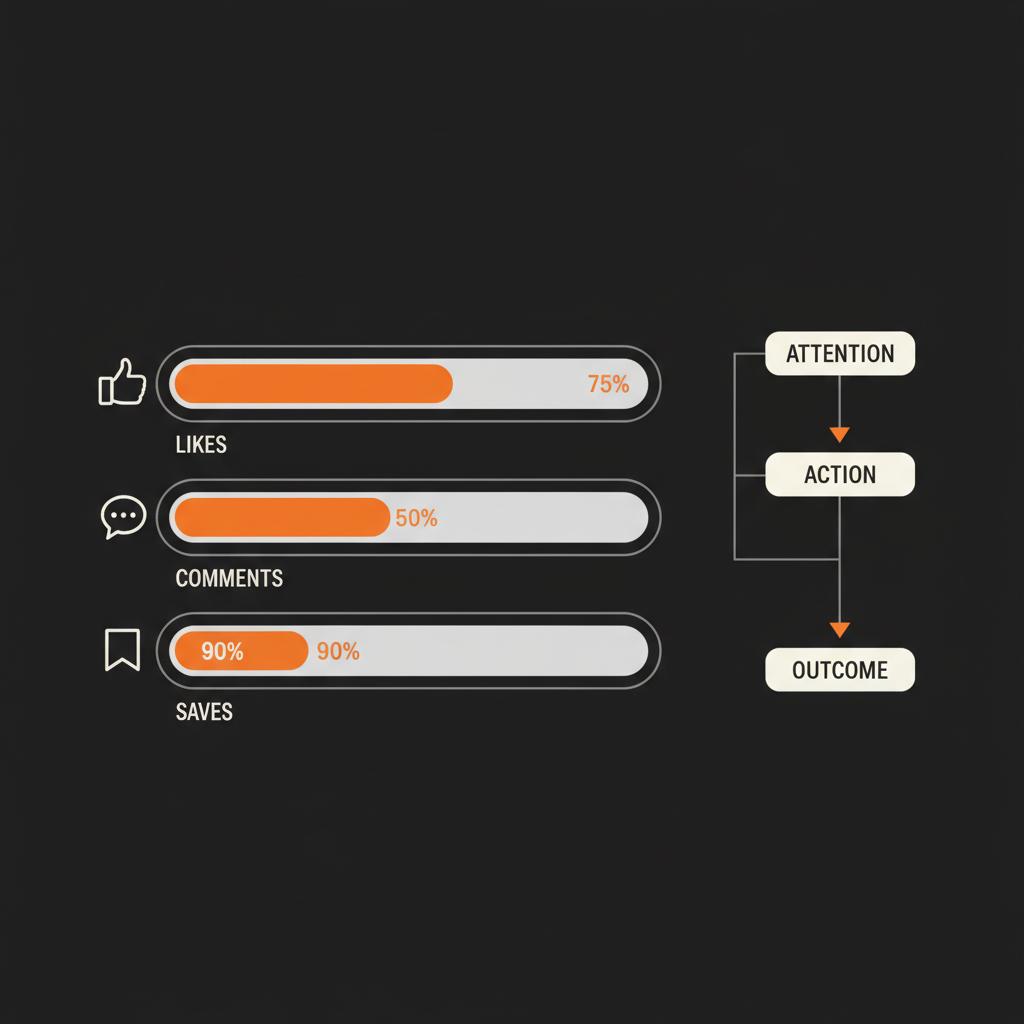
Brands measure engagement in multiple ways: likes and comments are visible signals, but saves, shares, profile visits and link clicks are the behaviors that convert. If you want to improve your answer to how many followers to be an influencer on Instagram, start by improving those deeper actions.
If you want practical templates and guidance to present your metrics professionally, consider exploring the helpful resources at Social Success Hub. They offer discreet, trusted templates and strategic advice that many creators use to build media kits and measure campaign value.
What single thing do brands ask most when they see my profile?
Brands usually ask for evidence that your audience will act: show a simple case study with reach → action → outcome (e.g., impressions → link clicks → purchases). That short narrative matters far more than a follower tally.
Money talk: realistic earnings by tier
Earnings vary widely by niche, format, and evident conversion history. Typical 2024–2025 benchmarks look like this:
Nano creators: low hundreds per sponsored post, often product-exchange deals for newer creators. Micro creators: low hundreds to a few thousand per post depending on niche and conversions. Mid-tier & Macro: thousands to tens of thousands per campaign, depending on deliverables and exclusivity. Mega: top-tier rates above tens of thousands per post and integrated long-term deals.
Notice that pricing reflects deliverables — a 30-second scripted Reel with edits and usage rights costs more than a single static post. The better you can demonstrate conversion (affiliate links, UTM-tagged links, promo codes), the more confidently you can justify higher fees.
How many followers to be an influencer on Instagram? The practical reality
The short, honest answer: you don’t need a fixed follower number to be an influencer. Creators in the 5,000–50,000 range are routinely winning paid collaborations because they present tidy engagement metrics, clear audience demographics, and case studies of past performance. That means the real question becomes: how do you show the value you create regardless of raw follower counts?
How to prove influence with numbers
Brands want to reduce risk. They’ll often ask for:
When you answer how many followers to be an influencer on Instagram for yourself, give brands the metrics above. A simple, honest media kit that leads with those numbers answers more questions than a follower tally ever could. See examples and related stories in our case studies.
Media kit checklist
Create a media kit that’s readable and trustworthy. Include:
Lead with a clear headline that answers the unstated question: what will this creator deliver for the brand? That directness will help you stand out during outreach.
Case study: what a small creator can do
Maya’s story is a great model. With 8,300 followers and a consistent 6.5% engagement rate, she focused on food-obsessed fans and tracked conversions for an e-cookbook. When pitching cookware brands she led with engagement, actual link clicks and a short case study. The brand cared more about that credible evidence than Maya’s follower total. That’s a repeatable model for almost any niche.
Content formats that convert best right now
Instagram’s algorithm favors short, vertical video — Reels — and that has shifted reach dynamics. Creators who can plan, shoot and edit short videos reliably often see disproportionate organic reach. But the type of content brands value can vary:
If you want better answers to how many followers to be an influencer on Instagram, learn to produce the formats brands request and to report their performance. For wider reading on format performance and social tips, check our blog.
Practical growth and pitch-ready tactics
1. Sharpen your niche
Broad accounts confuse brands. If you talk to home bakers, skincare minimalists, or beginner runners, say that clearly. Niche clarity lets brands imagine their campaign working with your audience.
2. Track basic performance
Export data from Instagram Insights for representative posts and Reels. Keep a short spreadsheet with date, post type, reach, impressions, saves, profile visits, link clicks, and conversions if available. The act of tracking alone will improve your work and help answer the question how many followers to be an influencer on Instagram in practical terms.
3. Build a small portfolio
Run a micro-campaign with a brand or affiliate and ask permission to use the results as a case study. Two short case studies can replace a long follower count in a brand’s mind.
4. Improve audience actions
Focus on CTAs that produce measurable behavior: “tap the link,” “save this post,” or “use code MAYA10.” Track the results and report them clearly.
5. Price and negotiate confidently
Separate content creation, usage rights and amplification into line items. Offer simple tiers (e.g., single Reel + Stories, 3 Reels + usage for 6 months). Be transparent about add-ons and exclusivity. If a brand wants long-term ambassadorship, price for that stability.
Common myths—debunked
Myth: You need 100K to monetize
False. Many creators monetize in the thousands of followers if they can show consistent action and conversions. The question how many followers to be an influencer on Instagram is less useful than: can you turn attention into action?
Myth: High follower counts equal high conversions
No. Engagement and audience fit are more predictive. A million followers without active engagement is often poor ROI for brands.
Myth: Viral posts are the path to long-term income
Viral moments help, but repeatable campaigns, strong community habits and consistent reporting build lasting careers.
Measurement: what metrics brands actually trust
Brands care about three categories of evidence: attention, action, and outcome.
When you prepare a pitch, lead with one short case study showing attention → action → outcome. That single narrative answers more than a long list of follower numbers.
How to track conversions honestly
Use UTM parameters, affiliate links, unique promo codes, or a simple landing page to measure conversions. If you can show a 2–5% conversion on a well-targeted pitch, brands will listen—even if your follower count is modest. For recent micro-influencer marketing benchmarks that help set expectations, see this analysis here.
How many followers to be an influencer on Instagram — industry benchmarks
Expect engagement rates to vary by niche, but as a rough guide:
These aren’t absolutes, but they help set expectations. If your engagement sits above the average for your tier, your audience is likely more valuable than peers with higher follower counts and lower engagement. For wider benchmark context, review Upfluence’s summary of average engagement rates here.
Pitch template — what to say to brands
Keep pitches short and outcome-focused. Here’s a stripped-down template:
Subject: Campaign idea — [Your Name] x [Brand] Body: Quick intro (1 sentence), niche and audience (1 sentence), one case study with numbers (2–3 lines), suggested deliverables and timeline, and a clear ask (budget range/next step). Attach your media kit as a PDF.
This format answers the core question before brands ask it: what will happen if we work together? The simpler your story, the easier the yes.
Content planning and workflow for reliability
Brands value creators who can consistently deliver. Build a repeatable workflow: idea, script/hook, shoot, edit, post, measure. For Reels, aim for a 3–4 day turnaround for quality output. Keep templates for intros, CTAs and story sequences so you can scale and price predictably.
Long-term career paths from modest audiences
Many creators earn a living with audiences under 100K via mixed revenue streams: sponsored content, affiliate marketing, products (ebooks, courses), membership communities, workshops, or services. Consistent, measurable conversions and honest positioning are the reliable foundations — again showing why raw follower numbers are not the single answer to how many followers to be an influencer on Instagram.
Risks and things to watch
Beware of inauthentic followers. Fake or inactive accounts inflate counts and make it hard to present reliable metrics. Keep an eye on sudden, unexplained spikes in followers and cross-check for engagement. Brands increasingly vet audiences manually, and inflated counts can damage long-term relationships.
Also watch platform shifts. Algorithm updates can change reach patterns quickly. Invest in adaptable skills — strong short-form video, headline writing, and community care — so your influence stays resilient.
Pick a recent strong post, export its Insights, and write a one-paragraph story about why it worked. Turn that story into the lead case study in your media kit. Then, test a small, tracked promotion with an affiliate link or unique landing page so you can show conversion data to future partners.

A friendly final note
Influence is earned in small interactions: answering a comment, recommending a product honestly, or sharing a tiny, useful detail. Numbers help tell the story, but trust is the thing brands and audiences actually invest in. Keep that at the center of your work and your career will follow.
Need a tidy media kit or a quick audit to turn followers into offers? Get personal help and templates from our team — book a friendly consultation today at Contact the Social Success Hub and we’ll help you craft the metrics brands need.
Want help turning followers into paid opportunities?
Need a tidy media kit or a quick audit to turn followers into offers? Get personal help and templates from our team — book a friendly consultation today at https://www.thesocialsuccesshub.com/contact-us and we’ll help you craft the metrics brands need.
Practical next step
Pick a recent strong post, export its Insights, and write a one-paragraph story about why it worked. Turn that story into the lead case study in your media kit. Then, test a small, tracked promotion with an affiliate link or unique landing page so you can show conversion data to future partners.
Final thoughts: influence is a pattern, not a number
To wrap up the practical side: focus on what you can measure and present. Tell the story of attention → action → outcome with one or two short case studies. Invest in content types the platform favors and in the small habits that build trust with your audience. That approach will answer how many followers to be an influencer on Instagram more convincingly than any single follower tally.
Do I need 100k followers to be an influencer?
No. Many creators monetize and land brand deals with far fewer followers if they can show strong engagement, audience fit and conversion data. Brands increasingly prioritize measurable outcomes — reach, clicks and purchases — over raw follower counts. Creators with 5,000–50,000 followers who document case studies and conversion metrics often secure paid collaborations and ambassadorships.
What engagement rate should I aim for to attract brands?
Aim to be above average for your tier. Rough benchmarks are nano: 4–8%+, micro: 2–6%, mid-tier: 1–3%, macro: 0.5–2%. Higher engagement indicates a more active, responsive audience — and brands will pay more for that. Track likes, comments, saves, shares, profile visits and link clicks to present a fuller picture of engagement.
Can Social Success Hub help me create a media kit or measure my influence?
Yes. Social Success Hub offers discreet, professional resources and support to help creators build media kits, audit audience quality, and present metrics brands trust. Their tools and templates are designed to make your story clear and actionable, which is especially useful if you’re answering questions like how many followers to be an influencer on Instagram and want to show measurable outcomes.
Influence on Instagram is less about a single follower number and more about repeatable outcomes: measure what matters, tell a simple story, and your audience will show the value brands pay for—good luck and keep creating!
References:


Comments