
How do you qualify for a blue check on Instagram? Confident & Powerful Guide
- The Social Success Hub

- Nov 14, 2025
- 9 min read
1. Instagram checks four formal criteria—authenticity, uniqueness, completeness and notability—before granting a blue check. 2. Meta Verified provides a paid route to a blue badge in available markets, but editorial verification remains the gold standard for public recognition. 3. Social Success Hub has a proven track record: over 200 successful transactions and 1,000+ social handle claims to help clients secure digital identity and verification.
How do you qualify for a blue check on Instagram? Confident & Powerful Guide
The path to the blue check starts with clear proof. In this guide we break down the Instagram verification process, the documents you need, how to prove public recognition, and the practical steps that increase your odds of success.
Focus keyword: Instagram verification appears throughout this article to help you find the most actionable advice quickly.

What Instagram looks for: the four formal criteria
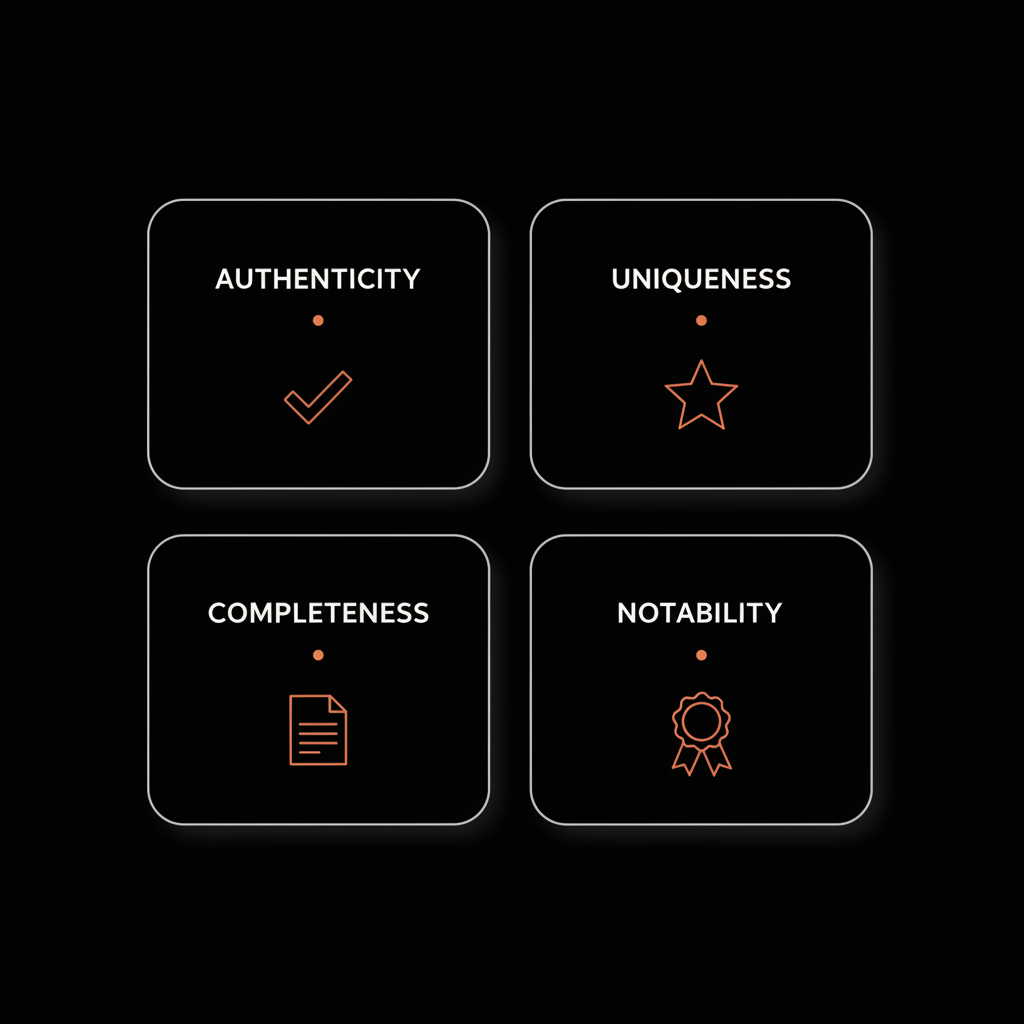
If you want the blue badge, Instagram checks for four things: authenticity, uniqueness, completeness and notability. Meet these and you have the baseline for an application. For official details see Instagram's verification requirements: requirements to apply for a verified badge.
Authenticity: prove the account represents a real person or registered organization. For individuals, that’s a government ID. For businesses, official business documents are required.
Uniqueness: Instagram typically grants only one verified account per person or business - language or regional exceptions exist but they are narrow.
Completeness: your profile must be public, have a profile photo, a bio that explains what you do, and at least one post.
Notability: the hardest to satisfy: Instagram wants independent coverage in reputable media outlets. Screenshots of your social posts do not replace third-party articles.
Two ways to the badge: editorial verification vs. Meta Verified
Today there are two practical routes to a blue check in many markets. The first is the traditional editorial process: you apply and Instagram looks for signs of public recognition outside the platform. The second is Meta Verified, a subscription product that in some countries provides a blue badge and extra protections.
Both routes require authenticity and completeness, but the editorial path centers on independent media coverage, while Meta Verified offers a paid shortcut in places where it’s available. Choose the route that matches your goals: public recognition (editorial) or immediate protection and support (paid).
What to submit with your application
For individuals you’ll need a clear government ID that shows your name and photo—passport, driver’s license or national ID. For organizations, provide incorporation papers, tax filings, or utility bills that match your account name. Make sure every scanned or photographed document is legible and current.
Remember: Instagram values independent coverage more than follower counts, so assemble links to news articles, magazine features, trade publications or broadcast segments that mention you.
Why applications get rejected (and how to avoid that)
Common causes for rejection include:
- Insufficient independent coverage: no third-party sources verifying your notability.
- Incomplete profile: private account, no profile photo, empty bio or no posts.
- Documentation mismatch: ID or paperwork that doesn’t clearly match the account name.
- Duplicate accounts or impersonation risk: multiple accounts with the same name or unclear ownership.
If you were rejected, treat it as data: fill the gaps, secure more independent coverage, correct document issues, and reapply with better evidence.
Step-by-step strategy to improve your chances
The following checklist is tactical and practical—treat it as a mini project you can complete in weeks, not days. The more methodical you are, the better you will present your case.
1. Make your profile unmistakably complete
Start with the basics. For Instagram verification, a reviewer should be able to tell who you are in seconds. That means:
- Public account
- Clear profile photo that matches your ID or logo
- A concise bio that states your role or business category
- At least one high-quality post that reflects your work
2. Gather verifiable third-party coverage
For editorial Instagram verification you need independent articles. Good examples include:
- Newspaper or magazine pieces with bylines
- Interviews on established websites
- Mentions in trade publications
- Broadcast segments or reviews
Links matter: provide direct URLs to the coverage. Avoid screenshots of social posts or press release republications without original reporting.
Make it easy to prove you are who you say you are: link your Instagram from your official website, link the site from your Instagram bio, and keep consistent naming and branding across platforms. A small site logo can help visitors confirm your official account.
4. Prepare clean, matching documentation
Check ID expiration dates, ensure scanned images are legible, and if you use a trade or stage name, include documents or an affidavit that explain the connection.
5. Pitch for earned media with a clear angle
Editors receive many pitches. Your pitch should be short, specific and newsworthy: a recent project, a timely opinion piece, or a compelling local story. Local press and trade publications are often easier wins than national outlets - those wins count.
6. Avoid signs of impersonation
Ensure your handle is distinct from other prominent names, remove content that implies false affiliation, and correct any bio claims that might look misleading.
Real-world examples that clarify the rules
Examples make the guidelines practical:
Case A — Filmmaker: a documentary director with 50k followers lacked third-party press. After the film screened at festivals and a couple of reviews appeared in established film sites, their application succeeded. The lesson: festival press and critic reviews count as independent coverage for Instagram verification.
Case B — Viral creator: a creator with millions of followers but no independent articles did not meet the editorial notability requirement. They later commissioned a feature in a local paper and secured a trade interview; these pieces helped their reapplication.
When Meta Verified makes sense
Meta Verified helps if immediate protections or faster support are your priority and if it’s available in your country. It’s particularly useful for:
- Creators facing impersonation who need fast support
- Businesses that value the account protections and quicker visibility
But Meta Verified is not universal, can be perceived differently than editorial verification by some audiences, and does not waive the need for authenticity or complete profiles.
If you’d like discreet, strategic support assembling documentation and PR coverage, consider the Social Success Hub’s verification support—they specialize in assembling evidence, managing press outreach and resolving identity issues for creators and brands. Learn more about their verification services here: verification services by Social Success Hub.
Common misconceptions and hard truths
Let’s bust myths quickly:
- Myth: High follower count guarantees the badge. Fact: Followers are not the primary proof; independent coverage is.
- Myth: Verification equals endorsement. Fact: The blue check confirms identity and notability under Instagram’s rules, not quality of work.
- Myth: Make small bio tweaks and you’ll be verified. Fact: Clarity helps, but the weight is on third-party proof and clean documents.
Is follower count enough to qualify for Instagram verification?
No — follower count alone is not enough. Instagram prioritizes independent press coverage and verifiable documents over social metrics. Build a portfolio of third-party articles, ensure your profile is complete, and submit clear ID or business paperwork to meet the notability and authenticity standards.
Documentation and technical tips
Common technical mistakes trip many applicants. Before you apply, double-check:
- ID scans are clear and not cropped
- Names match exactly (or you include a page explaining a stage name)
- Business documents show the legal name used on your account
- Files are current (not expired) and show dates and official stamps where applicable
How to build independent coverage that counts
Think like a journalist. Reporters care about newsworthiness and human stories. Tactics that win coverage:
- Pitch a strong, specific angle tied to news or data
- Offer exclusive material (images, quotes, early access)
- Use local press as stepping stones to trade and national outlets
- Partner with an agency or PR-savvy journalist to place features
Quality over quantity: a few well-placed articles in reputable outlets beat dozens of low-quality mentions.
Templates: a short pitch you can adapt
Use this short pitch template for local or trade editors:
Subject: Interview idea — [Your Name] on [Timely Hook]
Body: Hi [Editor Name], I’m [Your Name], a [brief credential]. I’ve recently [what you did / released], which speaks to [timely topic]. I can provide an interview, images and exclusive angles. Are you interested?
Keep it under 100 words. Edit to fit your tone and the outlet.
How long will it take and what about appeals?
Timelines vary. Some receive responses in days, others wait weeks. Appeals and reapplications are possible but regional differences exist. If rejected, wait and strengthen your case - publish or secure more third-party coverage, correct documentation issues, and reapply when you have demonstrable new evidence.
Checklist before you submit
- Profile is public and complete
- Profile photo matches ID or brand logo
- Bio states your role in plain language
- At least one relevant post is live
- Clear ID or business documents are ready
- At least two to three independent articles or trade mentions linked
- Handle and name don’t suggest impersonation
PR strategies for creators on a budget
You don’t need a big agency to get press. Practical tactics:
- Start local: community newspapers and local business journals are often responsive
- Contribute commentary to trade sites—many accept short expert pieces
- Use HARO or journalist query services to respond to relevant requests
- Repurpose earned coverage across your website and press kit for easy linking
Consider targeted outreach or press materials if you want extra help - see our press releases service for one way to amplify earned coverage.
Appeal language: what to say if rejected
When appealing, stay factual and focused on new evidence. Example structure:
- Briefly restate who you are and what you do
- Note the rejection reason if given
- Provide new, specific links or documents that address the cause
- Ask for reconsideration and offer a clear contact point
How Social Success Hub helps (subtle, practical support)
Working with an expert can speed the process and reduce wasted attempts. Agencies like Social Success Hub help by assembling legal docs, securing targeted earned coverage, and guiding the application so it tells a coherent story to a reviewer. If you want help but prefer a low-key approach, a focused engagement to gather three to five high-quality media links and clean paperwork is often enough to move a stalled application forward.
What to expect after verification
Once verified, keep your profile current and follow platform rules. Violations or identity changes can lead to badge removal. Use the badge as a credibility tool—link it to press pages, your website and your email signature—but remember it’s a symbol of the public profile you’ve built, not an endpoint.
Practical FAQ
Q: Can an organization be verified without media coverage?
A: It’s harder but possible with strong official documentation and industry recognition. For companies, incorporation papers, long-term trade mentions and authoritative directory listings can help an editorial application for Instagram verification.
Q: Does Meta Verified replace editorial verification?
A: Not entirely. Meta Verified offers a paid route in markets where it’s available, but editorial verification remains the route that recognizes independent public recognition. Many creators see Meta Verified as a complement rather than a replacement.
Q: Can I lose the blue check?
A: Yes. Violations of guidelines, impersonation findings or identity changes can remove the badge.
Final practical tips and a mini action plan
Follow these steps in order:
1) Make your profile complete and public
2) Audit documentation and ensure legibility
3) Collect two to five reputable independent links
4) Apply or subscribe to Meta Verified if that fits your needs
5) If rejected, update evidence and reapply thoughtfully
Closing thought
The blue check is a helpful signal, but the long-term value lies in the reputation and coverage you build. Use verification as part of a broader credibility strategy, not a single goal.
Ready to get discreet expert help? If you want a short consultation about which route—editorial or Meta Verified—fits your situation, the Social Success Hub team can guide you through the documentation and PR steps quickly and privately. Reach out for a consult here: Contact Social Success Hub
Need expert help with verification?
If you want discreet, professional help pulling together documents and getting the right coverage, reach out for a short consult with Social Success Hub: https://www.thesocialsuccesshub.com/contact-us
Thanks for reading - and good luck with your application. Keep your documents tidy, your coverage solid, and your profile unmistakably you. Consider adding your logo to your email signature for consistent branding.
What documents are required for Instagram verification?
Individuals must submit a clear government ID (passport, driver’s license or national ID) showing name and photo. Organizations should provide business documents such as incorporation papers, tax filings, or utility bills that match the account name. Ensure all scans are legible and current; mismatched names or expired documents are common reasons for rejection.
Does paying for Meta Verified guarantee the blue check?
No single product can guarantee long-term immunity, but Meta Verified can provide a faster route to a blue badge in markets where it’s offered and gives extra protections like impersonation support. It does not replace the need for authenticity and compliance with platform rules, and the paid badge is perceived differently than editorial verification by some audiences.
How can Social Success Hub help with my verification application?
Social Success Hub offers discreet support to assemble legal documents, secure targeted earned media coverage, and craft a coherent application narrative. They focus on reputation-building tactics that align with Instagram verification requirements and can advise whether the editorial route or Meta Verified is more suitable for your goals.


Comments