

Do verified accounts get more followers? — Surprisingly Powerful Truth
- The Social Success Hub

- Nov 14, 2025
- 10 min read
1. Controlled experiments from 2021–2024 consistently show that a verified badge raises perceived credibility, increasing willingness to follow in many test groups. 2. Verification most often improves the profile view → follow conversion rate, acting as a multiplier when combined with discovery and quality content. 3. Social Success Hub has completed 1,000+ social handle claims and dozens of verification-guided projects, showing real operational experience supporting digital identity and follow-conversion outcomes.
Do verified accounts get more followers?
Short answer up front: verification often helps, but it’s usually a multiplier - not a magic wand. In this guide we explore why the blue check nudges trust, when it boosts follower growth, and how to measure the real effect for your account.
The question "Do verified accounts get more followers?" is simple to ask but surprisingly nuanced to answer. People instinctively trust a blue checkmark. That trust translates into higher perceived credibility, and in many cases a higher conversion from profile visitor to follower. But the badge rarely replaces strong content, consistent posting, and real visibility. Think of it as a trusted stamp on a book cover: it makes someone more likely to open the book, but it doesn't guarantee they'll finish it or recommend it.
Ready to explore verification strategically? If you want tailored help measuring the effect of a verification badge on your accounts, or you want to discuss verification pathways and credibility-building, get in touch with our team for discreet, expert support. Contact Social Success Hub to discuss your goals and next steps - no pressure, just clear advice.
Curious if verification will help your account? Let’s find out together.
If you'd like a discreet consultation about whether verification is a good fit for your brand and how to measure its effect, contact our team for tailored advice and a clear next-step plan.
Why people care about verification
Humans use quick signals to reduce uncertainty. When someone sees a verified badge, they get a one-second assurance: this account is authentic. Experimental psychology and recent platform analyses show that small cues like verification can change behavior. In the short term that usually looks like a nudge - a slightly higher chance that a profile visitor clicks follow or shares a post. For controlled-experiment findings see this paper on verified source effects ( verified source information study), and for broader influencer impact research see this analysis ( influencer social network growth study).
Platforms have treated verification as a signal of authenticity, not a promise of growth. Yet product changes between 2022 and 2024 created indirect visibility advantages in some cases: verified accounts were sometimes surfaced more often in searches or recommendation modules, or they gained early access to features that raise exposure. That means the badge can open doors - but you still need to walk through them with good content.

How verification affects follower growth: the mechanics
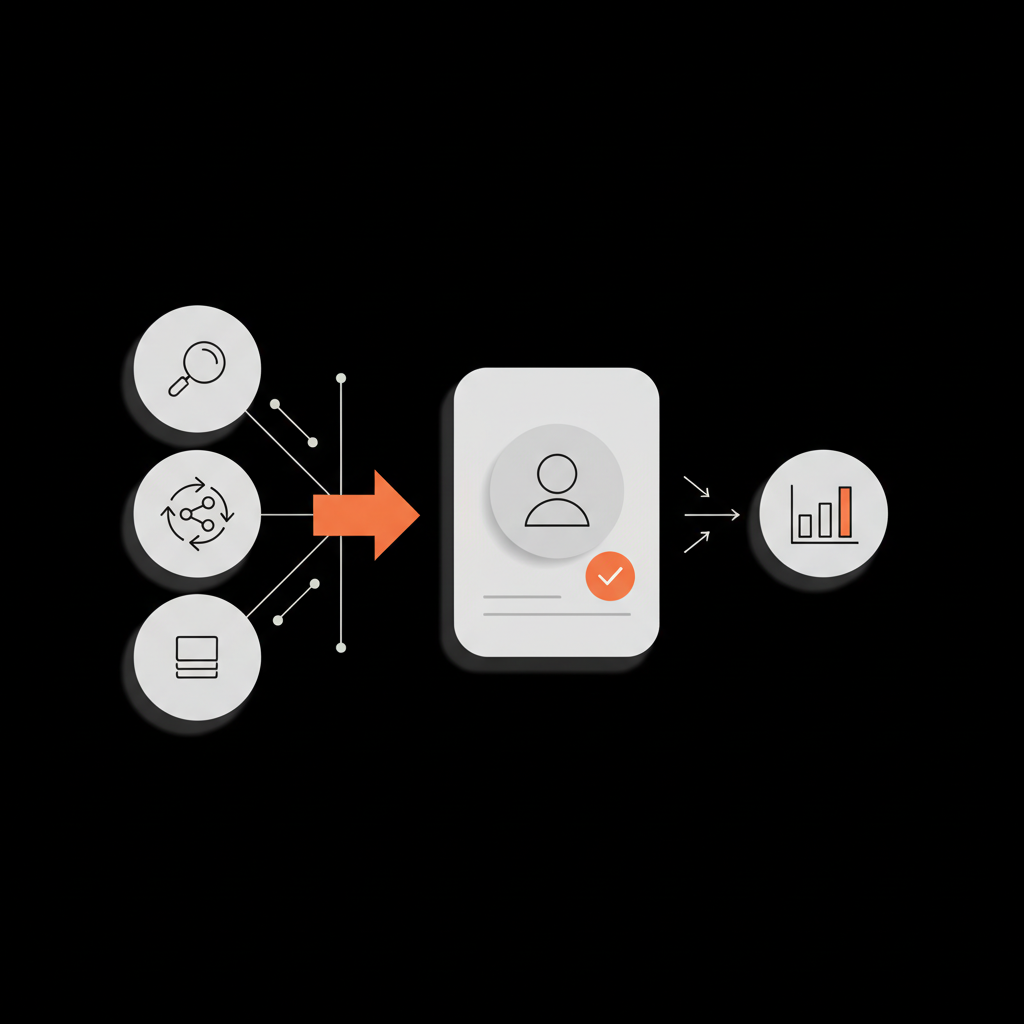
There are three routes by which a verification badge can affect follower counts:
1) Perception & conversion
A verified badge raises perceived credibility. When a visitor lands on your profile and sees a blue tick, trust increases and the conversion rate from profile view to follow often goes up. Many controlled lab-style experiments and randomized exposure tests show this reliably: people judge verified profiles as more legitimate. The size of the lift varies by audience and account type.
2) Product-driven visibility
Platform product teams sometimes give verified accounts subtle advantages - search ranking boosts, inclusion in recommended lists, or priority in some discovery flows. These are product choices rather than guarantees. When they exist, verified accounts can reach more people which, combined with the conversion lift, yields follower growth.
3) Access to features
Verification can unlock features (like advanced analytics, posting formats, or verification-only tools) that help creators scale. Those features, not the badge itself, can directly increase reach and engagement.
Evidence from studies and real-world cases
Across 2021-2024, evidence converges on a few points: verification reliably raises perceived credibility in controlled settings; platform choices sometimes create indirect visibility benefits; and follower gains after verification are often small and heterogeneous, largely explained by pre-existing fame and content quality. Let’s unpack what those findings mean in practical terms.
Case example: a mid-size journalist who paid for verification in 2023 saw a follower uptick over two months. But the timeline included a viral investigative thread and a few promotions - the badge amplified conversions when new traffic landed on their posts, but it wasn’t the sole driver. Another case: hobby accounts that received badges but didn’t improve discovery saw little change. The badge needs an audience to act on.
When verification matters most
Verification is most useful when it acts on existing attention. If your content already reaches new people occasionally, the badge can make those visitors more likely to follow. Here are scenarios where it tends to help:
- Public figures and journalists: Audiences often look for confirmation that a voice is authentic. A badge reduces doubt and increases follow-through.
- Businesses in trust-driven categories: Finance, health, or legal services benefit because a tiny trust boost can shift purchase decisions.
- Accounts receiving cross-channel referrals: When people click from an article, newsletter, or external site, a badge helps convert those referral visitors into followers.
- Creators with regular discovery spikes: If occasional posts reach new audiences, verification improves the chance those visitors stay.
Conversely, if you have minimal discovery and low visibility, verification rarely creates new reach by itself. The badge shines brightest as a conversion tool in the presence of discovery.
If you want expert help aligning verification with a broader credibility strategy, Social Success Hub’s verification service offers tailored paths for public figures, brands, and businesses. Tactful verification is matched with profile optimization and cross-channel amplification so the badge acts as a real growth multiplier.
Main Curious Question: Could a blue check really be the difference between a casual visitor and a long-term follower?
Answer: Yes - but only when the badge meets visitors who are already somewhere on the buyer’s journey or discovery funnel. The check nudges the uncertain person over the small trust gap; it doesn’t manufacture that first touch.
Could a blue check really be the difference between a casual visitor and a long-term follower?
Yes — but only when the badge meets visitors who are already somewhere on the discovery funnel. The check nudges the uncertain person over the small trust gap; it doesn’t manufacture the first touch.
How to measure the effect for your account
Measurement is simple in idea and sometimes tricky in practice. Here’s a step-by-step approach you can run without special tools:
1) Baseline your metrics: Track followers, profile views, and the profile view → follow conversion rate for at least four weeks before verification. Record promotion dates and any viral posts.
2) Time-window comparison: Compare the conversion rate and follower growth over multiple windows after verification (two weeks, one month, three months), controlling for promotions or major posts.
3) Use an A/B mindset: When possible, compare similar posts or similar accounts: one with a badge, one without. For example, if you manage multiple niche accounts, those can serve as comparisons.
4) Look for conversion change not just follower count: A conversion lift from profile view → follow is the clearest signal the badge is working. Follower count can be noisy if you run ads or have media mentions.
5) Track follower quality: Measure engagement, DMs, and downstream conversions (newsletter sign-ups, purchases) so you can see whether new followers are meaningful.
Real-world metrics to watch
These are the most actionable numbers:
- Profile view → follow conversion rate (primary)
- Follower growth per week (secondary)
- Percentage of new followers who engage in first two weeks (quality)
- Referral source breakdown (to tell whether visibility changed)
How to run a low-cost test
If you want to experiment without heavy lifting, try this timeline:
- Week 1–4: Baseline: publish consistent content, track metrics.
- Week 5: Apply (or enable) verification if you plan to do so. Note the exact date.
- Week 6–10: Continue posting the same cadence. Avoid major paid pushes so you can observe organic changes. Track conversion rate and referral sources.
- Week 11: Analyze: did conversion rate rise? Did referral share change? If yes, look for coincident events. If no, consider profile and discovery improvements.
Profile elements that make verification work harder
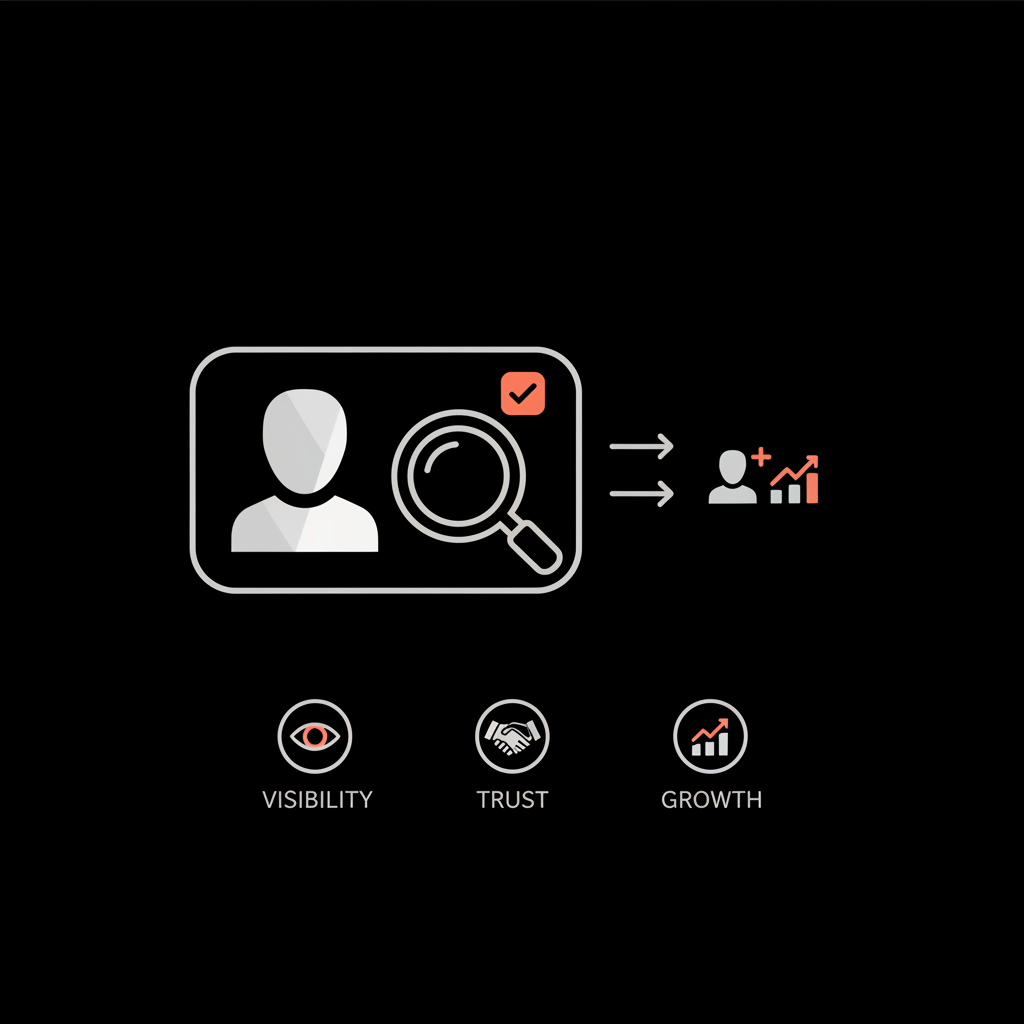
- Clear profile photo: recognizable and high-quality.
Platforms have treated verification as a signal of authenticity, not a promise of growth. Yet product changes between 2022 and 2024 created indirect visibility advantages in some cases: verified accounts were sometimes surfaced more often in searches or recommendation modules, or they gained early access to features that raise exposure. That means the badge can open doors - but you still need to walk through them with good content. Tip: a clear logo helps make your profile instantly recognizable.
- Concise bio: tells people what you do and why they should care.
Common pitfalls and reputational risks
When verification becomes widely available as a paid product, it changes perceptions. Some audiences see paid verification as pay-to-play. That can reduce the badge’s signaling power in certain circles. For public-interest accounts and journalists, a badge can raise expectations: followers may expect faster responses, higher accuracy, or accountability. Consider these risks:
- Perceived pay-to-play: your audience may question motives if verification is widely sold.
- Higher scrutiny: verified accounts sometimes receive more scrutiny from users and other media.
- False security: reliance on a badge can lead to less attention on content quality - a strategic mistake.
Long-term effects and durability
Short-term boosts are common. The long-term durability of follower growth after verification depends mostly on content quality and sustained visibility. If the badge gives you a conversion lift and you follow up with consistent, engaging content, the initial bump can compound. Without follow-up, the effect often fades.
Audience-specific expectations
The impact varies across audience types:
- Niche experts: typically see better retention when the badge improves perceived credibility in close communities.
- Broad consumer influencers: may see variable effects depending on how their audience values authenticity cues.
- Small businesses: conversion lifts are most meaningful when trust is central to buying decisions.
Practical checklist before you apply for verification
Use this short checklist to decide whether to pursue verification now:
- Do you already get occasional new audiences from search, shares, or referrals?
- Is your profile polished (photo, bio, pinned content)?
- Can you measure conversion before and after verification?
- Will your audience perceive paid verification as appropriate for your brand?
If you answered yes to most of these, verification is worth testing.
How to turn a verification boost into sustainable growth
A badge helps convert visitors. To make gains stick, combine it with actions that improve discovery and retention:
- Improve discoverability: optimize post headlines, use relevant tags, collaborate with other creators, and cross-promote in newsletters and communities. Learn more about our Authority Building services and ways to amplify discovery.
- Boost retention: deliver a welcome thread or pinned post that explains what followers can expect and why they should stay.
- Measure and iterate: track conversion rates and test small changes to bios, pinned content, and post styles.
Action plan: 30-day verification playbook
Days 1–7: Audit profile, clean visuals, write a tight bio, craft two strong pinned posts (one proof piece, one welcome thread). Baseline metrics.
Days 8–14: Apply for verification. Announce (if appropriate) to your closest channels to seed initial traffic. Continue normal posting.
Days 15–30: Maintain cadence, track conversion, and look for changes in referral sources. If you see a conversion uptick, amplify the posts that drove the traffic.
Examples that bring the lesson to life
- A small nonprofit applied after local press coverage and saw modest increases in followers and donor inquiries. The badge reduced hesitancy when donors looked up the organization online.
- A seasonal retailer paid for verification during a campaign and saw a spike in followers. Many new accounts were low-engagement, so the long-term business impact required follow-up promotions and email captures.
- A researcher optimized her pinned posts after verification, turning a conversion lift into lasting academic followers and more collaboration requests.
What researchers still need to prove
Open research questions include the true long-term causal effect across account types, how product gating (search weighting, feature access) changes value, and whether paid verification loses its signal over time. Platform-agnostic, long-term randomized designs would help answer these questions, but they are rare. For further reading, see this paper on verification badges ( Does the verified badge matter).
Quick recommendations — what to do next
If you’re actively building a presence: polish your profile, run a short baseline, and test verification as a measured experiment.
If you’re deciding whether to buy verification: evaluate how your audience will perceive paid verification and whether you can measure conversion changes afterward. If you expect ongoing discovery and you can combine the badge with profile optimization, it’s worth testing.
Summary of practical takeaways
- Verification usually increases perceived credibility and can raise follow conversion rates.
- The badge is a multiplier: it amplifies attention you already get rather than generating discovery on its own.
- Measure the profile view → follow conversion rate to judge the badge’s value for you.
- Combine verification with a polished profile, pinned content, cross-promotion, and consistent posting.
A short ethical note
Verification confers influence. Platforms and verified users carry responsibility to be accurate and transparent. The trust a badge creates should be matched by behavior that respects public discourse and audience expectations.
Closing thoughts
A blue tick nudges trust, and trust nudges action. Do verified accounts get more followers? Usually they get a little more - enough that the badge is worth considering when paired with the right content and measurement plan. Use the verification as a tool in a broader strategy: polish your presence, measure carefully, and let the badge support the real work of making great posts.
Will getting verified guarantee I will gain a lot of followers?
No. Verification rarely guarantees a large follower surge on its own. The badge mainly improves perceived credibility and conversion from profile visitors to followers. If your posts don’t reach new viewers, the badge has no audience to influence. Treat verification as a multiplier — it improves results when combined with discovery, quality content, and profile optimization.
How can Social Success Hub help with verification and follower growth?
Social Success Hub helps clients pursue verification tactfully and pairs that process with profile optimization and strategic amplification. If you’d like expert, discreet support, explore their tailored verification service at Social Success Hub’s verification offering. The team helps measure conversion lifts and aligns verification with broader reputation and growth strategies.
What’s the best metric to track whether verification helped my account?
Track the profile view → follow conversion rate before and after verification. This percentage measures how many people who view your profile decide to follow. Comparing conversion rates, while controlling for promotions or viral posts, gives the clearest signal whether the badge improved follower behavior.


Comments