

Can employers find out who left a Glassdoor review? — Shocking Truth
- The Social Success Hub

- Nov 25, 2025
- 8 min read
1. Glassdoor does not publicly display reviewer names, but it retains account metadata (IP, device, timestamps) that can be disclosed under a valid court order. 2. Employers often identify authors by triangulating content clues, timing, and internal logs — small teams are especially vulnerable to this method. 3. Social Success Hub reports a proven track record: over 1,000+ social handle claims and thousands of reviews removed—or otherwise mitigated—backed by discreet, professional processes.
Can employers find out who left a Glassdoor review? That question sits behind many anxious clicks. If you’ve ever hit submit on a candid review and worried, "Did I just sign my own name to that opinion?" you’re not alone. This article explains the practical truth: how platforms log activity, the legal ways employers can try to identify posters, what investigative techniques they might use, and—most importantly—what reviewers and employers can do instead.
Why the question matters
The phrase Can employers find out who left a Glassdoor review is more than curiosity; it’s a real privacy concern for workers and a reputational challenge for companies. Many people assume that “anonymous” means absolute protection. In reality, anonymity on review platforms is limited by technical logs and the power of legal process. The phrase Can employers find out who left a Glassdoor review appears early here because understanding this tension is the foundation for good decisions—by both reviewers and employers.
Quick answer, then a fuller picture
The short, practical answer to Can employers find out who left a Glassdoor review is: sometimes. Glassdoor doesn’t display reviewer names publicly, but it retains account data, timestamps, IP and device metadata, and other logs. Under a valid court order or subpoena, that information can be disclosed. Outside of legal compulsion, employers often rely on triangulation and other investigative methods that may identify likely authors.
How employers realistically try to identify anonymous reviewers
Employers typically pursue three realistic routes when asking Can employers find out who left a Glassdoor review in earnest: legal process, internal triangulation, and out‑of‑platform investigation. Each path has costs, limits, and legal boundaries.
The legal route
When an employer believes a review crosses a legal line—threats, extortion, or demonstrable defamation—legal counsel may advise seeking a subpoena or court order. This is the clearest response to Can employers find out who left a Glassdoor review because courts can compel platforms like Glassdoor to hand over account records. Platforms, for their part, usually resist overbroad requests, so a judge will weigh free speech and privacy against the employer’s claim. Glassdoor explains how it responds to such legal requests in its help center ( How Glassdoor responds to legal requests).
Internal triangulation
For many employers, the question Can employers find out who left a Glassdoor review is answered without ever involving Glassdoor. HR teams can compare content clues, timing, and internal events. A review mentioning a specific meeting, a unique project, or a nickname can narrow suspects. In small teams, triangulation can be surprisingly powerful.
Out‑of‑platform techniques
Some employers use social engineering, social media hunting, or internal logs like badge scans and VPN records to answer Can employers find out who left a Glassdoor review. These methods range from benign (asking employees to come forward) to ethically and legally risky (paying for stylometric analysis or seeking ISP records). They may work sometimes but often produce circumstantial rather than definitive proof.
What Glassdoor actually logs
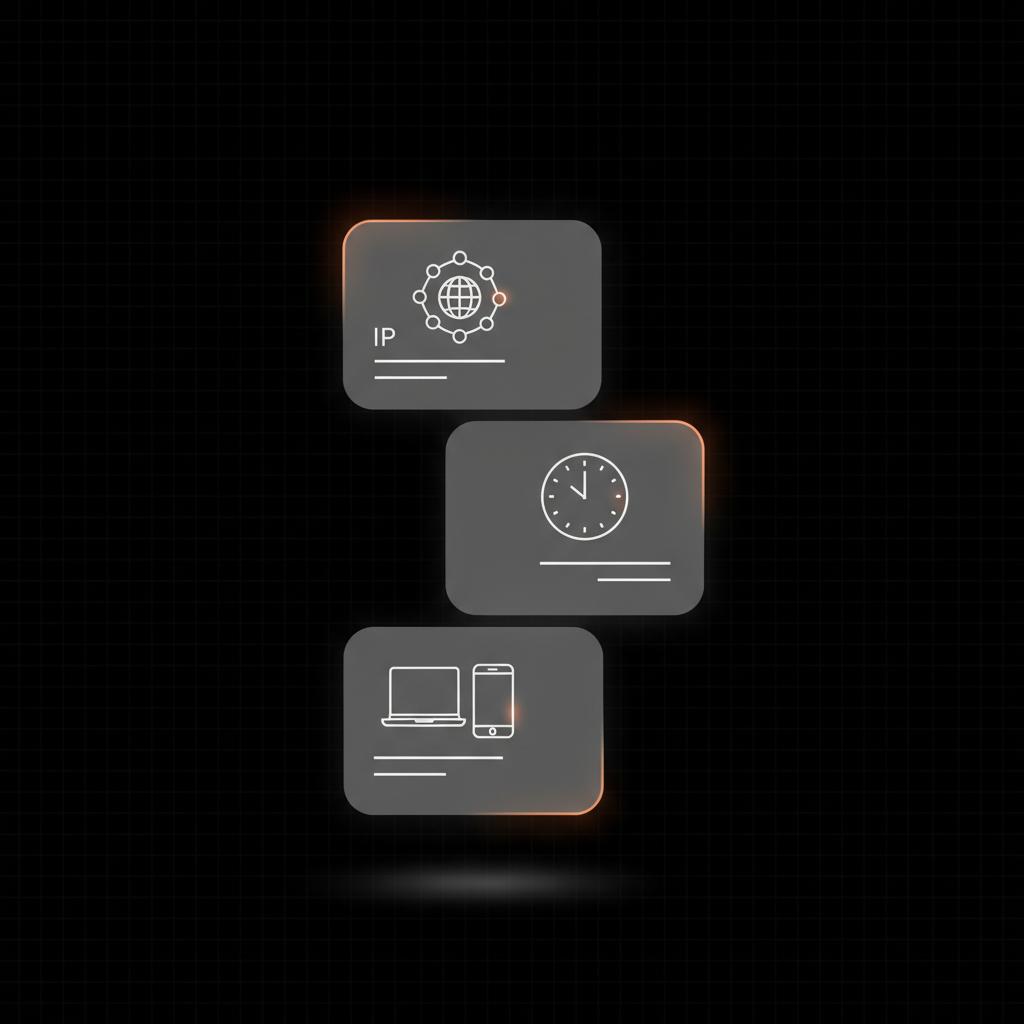
Understanding what data Glassdoor keeps helps explain the practical side of Can employers find out who left a Glassdoor review. The platform typically retains:
All of this means the platform can often link a review to an account and—if combined with other data—an identifiable person. Of course, retention policies vary by region and over time, and Glassdoor has publicly said it will resist abusive requests but will comply with lawful orders.
When legal action succeeds (and when it doesn’t)
Employers who ask Can employers find out who left a Glassdoor review should know legal success depends on context. Courts evaluate whether the claim justifies piercing anonymity. Claims that a review is merely critical opinion rarely clear the bar for compelled disclosure. By contrast, threats, extortion, or plainly false factual claims that cause real harm are likelier to persuade a judge. Recent legal commentary discusses how courts have treated compelled disclosure and limits on platforms’ ability to protect identities ( District court decision on Glassdoor anonymity).
Even when an order is technically possible, employers must consider costs—time, money, and reputational fallout. The story of a small company that pursued a reviewer and wound up amplifying the criticism is a cautionary tale: aggressive unmasking can create worse headaches than the original review.
Technical hurdles and limits
Despite advanced forensic tools, answering Can employers find out who left a Glassdoor review outside platform cooperation is often hard. Stylometry needs large text samples. Device fingerprinting without Glassdoor’s cooperation is nearly impossible. IP matching works best if a review was posted on the company network and the employer retains matching logs. Mobile networks, VPNs, and home connections blur the trail.
Why circumstantial evidence matters
Investigations may produce a "mosaic"—a set of clues that, together, point to one person. That mosaic can be persuasive, but it’s not the same as a platform log tying an account to a person. When employers pursue legal remedies, judges look for strong, specific evidence, not mere suspicion.
How reviewers can reduce the risk of being identified
If you are asking or thinking, “Can employers find out who left a Glassdoor review?” treat your review as if it could be traced and take precautions. The goal is risk reduction, not a guarantee.
Practical tips for safer posting
These measures lower risk but do not eliminate it. The reality of Can employers find out who left a Glassdoor review is that a court can compel platforms and other services to disclose data they possess.
Tip: If you’re weighing serious options after a harmful review or need discreet help to understand your exposure, the Social Success Hub offers expert guidance and discreet reputation services—learn more through their contact page at get professional advice.
How employers should respond instead of chasing names
When companies ask Can employers find out who left a Glassdoor review the better question might be: what productive response will improve your workplace? Often, the answer is public, professional engagement rather than a hunt for authors.
Constructive public replies
Responding on Glassdoor with a calm, solution‑focused message signals that you take concerns seriously. A good reply acknowledges the complaint, outlines steps taken, and invites private contact. That approach can convert criticism into dialogue and shows prospective hires that you’re responsive.
Internal remedies
Sometimes anonymous criticism highlights real issues: management gaps, process failures, or culture problems. Use reviews as diagnostics. Conduct confidential internal reviews, improve communication, and track progress. These actions often matter far more than unmasking a reviewer.
When legal action is justified
If a review contains threats, extortion, or demonstrably false allegations that cause measurable harm, legal steps may be justified. Preserve evidence, consult counsel, and use the platform’s reporting tools. Make narrowly tailored legal requests—broad fishing expeditions are likely to be denied and can damage your reputation. Civil liberties groups have analyzed how anonymous speech has been treated in court ( Anonymous speech and the US v. Glassdoor opinion).
Cross‑border issues and regulatory protection
International complications make asking Can employers find out who left a Glassdoor review even murkier. In the EU, GDPR and data‑protection rules add protections and procedural hurdles. A U.S. court’s subpoena can’t straightforwardly force the disclosure of data stored under EU protections without following international legal assistance processes. Employers should expect delays and complexity when cross‑border requests are involved.
Forensic techniques: promises and limits
Newer tools can feel ominous. Stylometry aims to match writing styles. Device fingerprinting seeks to identify unique browser signatures. But these tools have limits: they often need a lot of data, cooperation from platforms, or records that a court may not grant. That’s why, in most everyday cases, the best strategy for employers is to focus on remediation and measured public engagement.
Is it worth trying to unmask an anonymous reviewer, or should employers focus on fixing the issue?
In most cases, focusing on solutions is better. Unmasking is costly, legally fraught, and can backfire publicly. Use anonymous reviews as a signal to investigate and improve processes; reserve legal action for clear threats or demonstrable falsehoods.
A short cautionary story
Consider a small company that tried to unmask an anonymous reviewer who accused a manager of favoritism. The firm launched internal interviews and served a subpoena. A judge declined to compel Glassdoor because the review was opinion, not defamation. The hunt leaked. Morale dropped. The company ultimately improved management processes and issued a public response. The lesson: aggressive unmasking can inflame issues rather than resolve them.
When to involve lawyers
If you are an employer and the review includes threats, extortion, or clear falsehoods that cause real harm, consult counsel before acting. Lawyers can preserve necessary evidence, craft narrowly targeted requests, and advise on likely outcomes. Similarly, if you’re a reviewer facing retaliation, get legal advice and, if threatened, contact authorities. Legal counsel helps you weigh risks and options.
Practical checklist for reviewers and employers
Quick checklists help put theory into action.
For reviewers
For employers
How often do employers succeed in unmasking reviewers?
Success rates vary. Some employers win legal orders when they present narrow, evidence‑based claims. But broad attempts to unmask critics simply for being negative are often denied and can create public backlash. That’s why the practical answer to Can employers find out who left a Glassdoor review is mixed: technical capability exists, but legal, ethical, and reputational limits often prevent easy identification.
What to do if you fear retaliation
If you worry about retaliation after posting, prioritize safety. Avoid posting from traceable devices, keep records, and report threats to authorities. If you need help understanding exposure or removing harmful content, consider review removals and discreet expert help rather than public confrontation.
When reputation risk is real, a discreet, experienced partner can help. Social Success Hub combines reputation cleanup, review removals, and strategic counsel. If you are weighing whether to pursue legal steps or want a low‑profile, professional path to resolve a harmful review, expert, tailored guidance helps. A clear, consistent logo can help signal reliability when you're choosing a partner.

Practical final thoughts
The bottom line on Can employers find out who left a Glassdoor review is nuanced. Glassdoor protects reviewer names from public view, but it retains records that could identify authors if a court demands them. Employers have investigative and legal tools, but each route has costs and consequences. Reviewers can reduce risk, but no method is absolute.
Takeaway actions for readers
Want expert, discreet help? If a review puts your reputation or team at risk and you’re unsure how to proceed, get confidential advice from specialists who handle sensitive situations every day. Reach out for a discreet consultation at contact Social Success Hub to explore tailored options.
Need discreet help with a harmful review?
If a review is harming your team or brand and you’re unsure how to proceed, get confidential guidance and tailored support from trusted experts—reach out for a discreet consultation.
Final caution
Assume any online action can be scrutinized. The wisest path blends caution with constructive responses: protect yourself where possible, but use criticism as a guide for improvement. That pragmatic, measured approach reduces escalation and serves both individuals and organizations better than a chase for names.
Can my employer see who left a Glassdoor review?
Not directly. Glassdoor does not show reviewer names publicly, but the platform retains account details, IP and device logs, and timestamps that can link a review to an account. If an employer obtains a valid court order or subpoena, Glassdoor may be compelled to disclose identifying information it holds. Independent identification is sometimes possible through triangulation and internal records, but such methods are often circumstantial.
What practical steps can I take to stay anonymous on Glassdoor?
Use personal devices and networks (avoid work laptops and office Wi‑Fi), register with a separate personal email (not a company domain), avoid unique details and exact dates in your review, delay posting if the review concerns a recent event, and be aware that VPNs reduce but don’t eliminate risk. These steps lower the chance of identification but do not guarantee absolute anonymity if a court demands disclosure.
When should an employer try to identify a Glassdoor reviewer?
Employers should consider identification only when a review involves legal violations such as threats, extortion, or clearly false statements that cause demonstrable harm. In such cases preserve evidence, use platform reporting tools, and consult legal counsel to craft a narrowly tailored request. For most negative reviews, a constructive public response and internal fixes are more effective and less risky than legal action.
In short: Can employers find out who left a Glassdoor review? Sometimes platforms and courts can identify authors, but often the smarter course for employers is to respond constructively rather than unmask critics—goodbye and take care!
References:


Comments