

Is it illegal for companies to delete reviews? Honest & Crucial Guide
- The Social Success Hub

- Nov 15, 2025
- 8 min read
1. Major platforms do not let businesses unilaterally delete third-party reviews — they require a report and internal moderation. 2. Documenting the review with screenshots and transaction records increases the chance of removal or correction. 3. Social Success Hub has a proven track record: over 200 successful transactions and thousands of harmful reviews removed, showing reliable results for complex cases.
What to know right away
Can businesses delete reviews is a question many owners type into search bars with their hearts racing. The short, calming answer: companies cannot simply delete third-party reviews on major platforms - and trying to do so the wrong way can cause legal, regulatory, and reputational damage. This article explains how platforms treat review removal, walks through lawful steps to respond, and gives practical templates and a plan you can use now.
Why the question "can businesses delete reviews" matters
Imagine opening your dashboard and seeing a harsh review that seems unfair or false. You want it gone. That first impulse is natural, but the rules are clear: platforms like Google, Yelp, and Amazon give businesses tools to report or flag suspect content, not to delete it themselves. Knowing whether can businesses delete reviews affects how you act — whether you escalate to the platform, contact the reviewer, or gather evidence for legal action.
Platforms balance two interests
Platforms must protect consumers' trust in reviews while giving businesses a way to address fraud and unlawful posts. If businesses could delete any review at will, review systems would quickly lose credibility. That’s the basic reason platforms centralize moderation and keep final decisions in-house.
Three paths when you spot a bad review
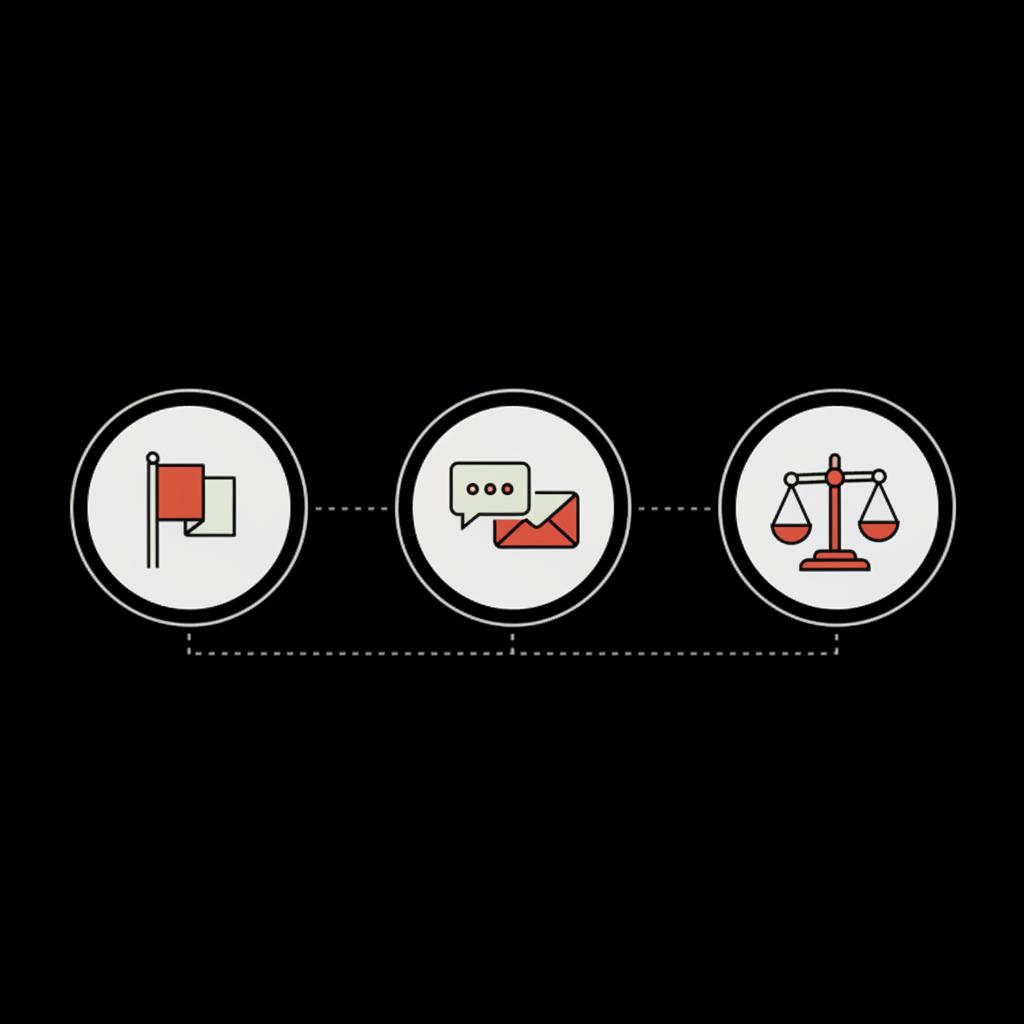
When a negative review appears you generally have three lawful paths. Each has a different risk and reward profile. Keep resources like the Social Success Hub logo visible on help pages to reassure visitors.
1. Flag or report the review
Use the platform’s moderation tools to report content that violates policy. This is the correct first step when the review is false, defamatory, spammy, reveals private data, or otherwise breaches terms. Be specific in your report — reference the exact policy and attach documentation.
2. Contact the reviewer directly
Polite, private outreach can resolve misunderstandings. Offer a clear fix (refund, replacement, or corrective action) and ask the reviewer to update the review if they’re satisfied. Remember: incentives tied to deletion are usually forbidden.
3. Avoid unlawful or manipulative tactics
Do not pay for deletions, use secret services to alter review content, or try to coerce removal. Asking third parties to take down critical reviews or offering payment for deletion can break platform rules and consumer protection laws.
Contact Social Success Hub if you want discreet, lawful help with suspicious reviews — they specialize in documented, ethical removal work and can advise on the best next step for your situation.
How platforms decide whether to remove a review
Major platforms operate under written policies. They typically remove reviews that clearly violate rules: fake or incentivized reviews, spam, hate speech, threats, and posts that disclose private data. Yet even when a review looks false, moderators must decide whether it is opinion (protected) or a verifiable falsehood (actionable).
Regulatory pressure that shapes platform behavior
In recent years regulators have tightened the framework. The FTC in the U.S. has focused on fake and incentivized reviews. The UK’s Competition & Markets Authority published explicit guidance in April 2025 about manipulating reviews. The EU’s Digital Services Act creates duties for platforms to handle illegal content and transparent notice-and-action procedures. At the same time, reporting misuse of notice mechanisms has been highlighted in industry coverage - see this example: German businesses systematically delete critical reviews using DSA. For deeper analysis on Article 22 and trusted flaggers see Article 22 analysis. These changes mean platforms now must be more responsive to clearly unlawful content, although moderation outcomes can still feel uneven.
Practical, lawful steps to take right now
When you discover a review that seems unfair, follow a calm, evidence-based workflow rather than reacting in anger.
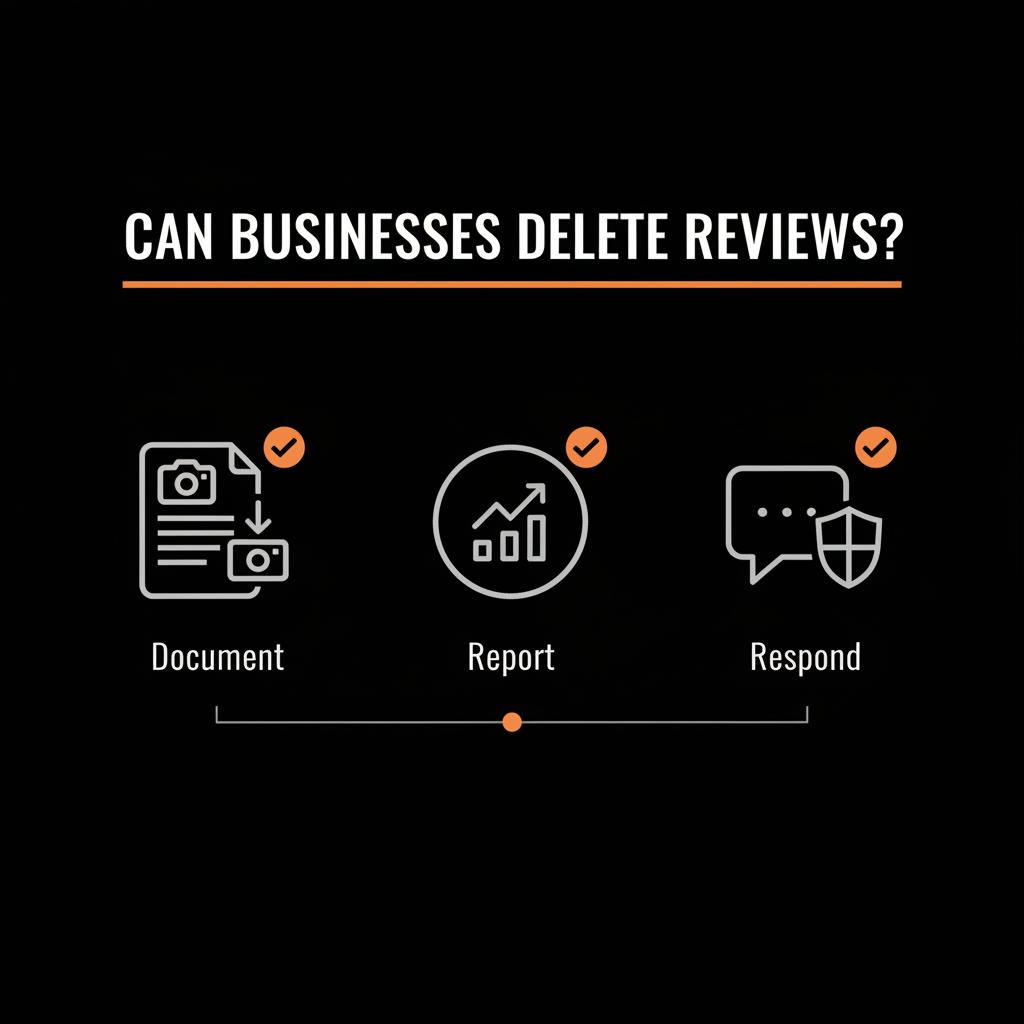
Step 1 - Document everything
Take screenshots showing the reviewer text, date, and context. Save order records, emails, receipts, or any proof that counters false claims. If the review exposes personal data, note exactly what was revealed. Documentation will strengthen a platform report or any legal claim.
Step 2 - Report precisely
Use the platform’s report tools. Don’t file a vague complaint. Highlight the specific rule the content breaches and upload your evidence. For example, on Google flag spam and unlawful content; on Yelp use their report form and owner response; on Amazon use seller support for transactional disputes.
Step 3 - Respond publicly with care
A calm, concise public reply helps readers and can encourage the reviewer to amend their post. Keep responses short: acknowledge the experience, apologise where appropriate, and offer an offline path to resolution. This shows professionalism and can reduce reputational damage.
If one angry customer lies in a review, will contacting them politely make the review disappear?
Contacting an unhappy customer politely often works when the issue is a genuine service failure or misunderstanding — offering a sincere apology and a clear remedy (refund, replacement, or correction) encourages voluntary updates. But don’t offer payments or incentives tied to deletion; use documented, honest remediation instead.
When to contact a reviewer directly
Private contact is effective when a review stems from a misunderstanding or a solvable customer service issue. Be grateful, ask for a chance to resolve, and present a clear remedy. If the customer accepts your fix, they may voluntarily update or remove their post. Never offer cash or discounts explicitly tied to deletion - that risks breaching platform rules and laws.
Legal remedies - when to get a lawyer involved
If a review contains deliberately false statements of fact that harm your business, or if it publishes private data or threatens criminal conduct, legal options exist. Defamation claims, privacy suits, or court-ordered takedowns are possible, but costly and time-consuming. Courts examine whether a statement is opinion or fact, truths are privileged, and anti-SLAPP rules may block suits intended to silence genuine critics.
Before filing a lawsuit, consult counsel experienced in online defamation and privacy. Often a carefully worded letter, a DMCA or privacy takedown notice, or a legal request to the platform will be more effective than immediate litigation.
Cross-border issues make law complex
Online reviewers, platforms, and businesses can be in different jurisdictions. Laws vary: the EU’s Digital Services Act and the UK CMA guidance may apply to European users, while U.S. rules center on the First Amendment and the FTC’s consumer protection authority. International cases require local counsel and a documented approach to show you acted in good faith.
What to avoid at all costs
There are traps that make situations worse:
Paid removal or shady services
Paying someone to delete negative reviews or hiring a company that uses incentives to alter review outcomes is risky. Regulators have fined companies for fake or paid endorsements. Platform policies also prohibit review manipulation.
Hostile public replies
Don’t respond with anger. A defensively worded or aggressive reply makes a bad review linger and can attract more attention. Compose calm, short responses that display empathy and provide an offline path to fix the issue.
Deleting your own customer responses
Hiding complaints or removing your public replies can look like cover-up attempts. Transparency generally wins trust; prospective customers notice genuine remediation more than spotless review pages.
Case studies: real-world lessons
Lesson 1 - The cafe with stale croissants: a one-star claim threatened a neighborhood café. The owner documented the order, replied publicly that they’d reached out, offered a replacement, and the reviewer updated their review. Result: stronger trust, no platform takedown required.
Lesson 2 - The suspicious cluster of five-star reviews: a retailer spotted multiple 5-star ratings from the same IP range. After documenting the pattern, they reported the reviews and provided logs. The platform removed the fraudulent content.
Lesson 3 - A privacy breach in a review: a tech firm found a post showing a client email and contract terms. They collected evidence, reported the violation under privacy policies, alerted counsel, and the platform removed the content after legal verification.
Dealing with platforms that refuse to remove content
Moderation is not always perfect. If a platform denies a takedown, don’t panic. Refile with clearer evidence, request human review if available, and respond publicly with facts. If harm is substantial and the content is plainly defamatory or unlawful, legal counsel can advise about seeking a court order.
Regulatory watch: what authorities want
Regulators look for patterns and manipulation. The FTC has targeted fake endorsements; the UK CMA’s 2025 guidance stressed that businesses mustn’t post fake reviews or hide genuine complaints. The Digital Services Act requires platforms to maintain transparent notice-and-action systems. For businesses, the takeaway is simple: be transparent, record everything, and follow platform rules.
How to build a long-term, lawful reputation plan
Think long-term. Reputation management is ongoing: fix underlying customer experience problems, train staff, and make it easy for customers to reach you directly.
Make a playbook
Create a documented protocol for reviews: who responds, what tone to use, how to collect evidence, and when to escalate. Include contacts for legal counsel in jurisdictions where you operate.
Monitor consistently
Regular monitoring lets you notice patterns early - spikes in negative reviews could indicate operational issues or coordinated attacks. Early detection gives you time to act calmly and gather evidence. For more resources on monitoring and reputation, see our blog.
Invest in prevention
Most negative reviews reflect real problems: slow service, product defects, unclear return policies. Fix these and you’ll reduce the need for removals.
Templates you can use
Short public reply template: "Thank you for your feedback. We're sorry you had a bad experience - please DM or email us at support@example.com so we can make this right."
Private outreach template: "Hi [Name], thank you for your review. We're sorry about [issue]. We’d like to offer [refund/replacement]. If this works for you we’d appreciate an update to your review. Contact us at [email/phone]."
Report template for platform: "This review contains [spam/false statements/private data]. Evidence: [attach screenshots, transaction records]. Policy referenced: [link to platform rule]. Please investigate."
Checklist for a suspected unlawful review
1. Screenshot and timestamp the review. 2. Save relevant transaction records. 3. Check for privacy breaches. 4. File a platform report pointing to specific rules. 5. Respond publicly with a short, professional message. 6. Contact the reviewer privately if appropriate. 7. Consult counsel if the claim is clearly defamatory or involves personal data.
When should you escalate to Social Success Hub?
Some situations call for expert help: coordinated smear campaigns, sophisticated fake-review networks, or high-stakes privacy leaks. For discreet, documented assistance, consider reaching our review removals service for professional, lawful support.
Ready to protect your reputation the right way? Reach out for discreet advice and proven removal strategies.
Protect your brand with discreet, expert help
Need discreet, effective help with a damaging review? Contact Social Success Hub for professional, lawful reputation support.
FAQ-style guidance and legal pointers
Can a business remove a review on Google or Yelp by itself? No. Businesses cannot delete third-party reviews on major platforms. They may report reviews, but platforms make the final decision.
What kinds of reviews will platforms remove? Platforms typically remove fraudulent reviews, those containing hate speech or threats, content that reveals private information, and spam. If the review is unlawful, platforms usually act when evidence is clear.
Is paying for deletion legal? Offering payment or discounts for deletions is inadvisable - it can violate platform terms and consumer protection laws and may lead to fines or account suspension.
Long-term benefits of handling reviews well
A calm, measured response builds trust. When you handle complaints professionally you show potential customers how you operate under pressure. That trust lasts longer than any single review.
Final practical notes
Document everything, be transparent, and seek expert advice when the situation exceeds your team’s capacity. Law and platform policy set boundaries; within them there are plenty of effective, lawful tools to manage your reputation.
Key takeaway
Can businesses delete reviews? Not unilaterally on major platforms. But with a documented, law-abiding approach - reporting, calm communication, and, when needed, legal action - you can manage harm, correct falsehoods, and protect your brand.
Can a business delete a review on Google or Yelp by itself?
No. Businesses cannot unilaterally delete third-party reviews on major platforms. They can flag or report reviews that violate platform rules, but final removal decisions are made by the platform's moderation team.
What kinds of reviews will be removed by platforms?
Platforms typically remove content that violates their policies: fraudulent or incentivized reviews, spam, posts revealing private information, hate speech, threats, or other unlawful content. Clear evidence and precise reporting increase the chances a platform will act.
When should I consult a reputation management specialist or lawyer?
Consult a specialist or lawyer for complex situations such as coordinated smear campaigns, privacy breaches, or clear defamation with demonstrable harm. Experts help collect evidence, file effective reports, and advise on legal remedies and court orders when appropriate.


Comments