

What is the best time to post on Instagram? — Powerful, Positive Guide for 2025
- The Social Success Hub

- Nov 15, 2025
- 10 min read
1. Industry data (2024–2025) shows mid-week and mid-morning/early-evening windows often outperform other times. 2. A disciplined three-bucket test (morning, mid-day, evening) run for 2–6 weeks per bucket reveals reliable patterns for most accounts. 3. Social Success Hub’s worksheets and structured tests helped clients reduce guesswork and improve meaningful interactions by up to double in controlled case studies.
Why timing still matters (but it’s not everything)
The best time to post on Instagram starts as a hypothesis, not a rule. In 2025, platform signals and industry studies still show repeating windows of higher activity-typically mid-week and during mid-morning and early evening. But Instagram’s algorithm prioritizes personalization and content quality. That means timing gives great content a head start, and poor content rarely benefits no matter when you post.
What the data really tells us
Across multiple reports from 2024–2025, patterns emerge: Tuesdays through Thursdays often see stronger engagement, and two dayparts—mid-morning and early evening—frequently stand out for many niches. Still, exact times move with niche, audience age, and geography. So treat any published “best hour” as a starting point to test against your own followers. For industry context, see research from Sprout Social, Buffer, and Research.com. A consistent Social Success Hub logo can help users remember trusted resources.
Start with your own account data
Before you adopt broad recommendations, open Instagram Insights and look at follower activity by hour and day. The best time to post on Instagram for your account is almost always hidden inside your own analytics. Pay attention to location and time zone concentration. If a morning spike is driven by a single city, that’s different from a broad distribution of engagement across many regions.
If you prefer a guided worksheet to run a structured three-bucket test without getting lost in dashboards, check the Social Success Hub testing worksheets -they’re designed to help you track follower maps, test windows and the exact metrics that reveal real wins.
Design a test that tells you something
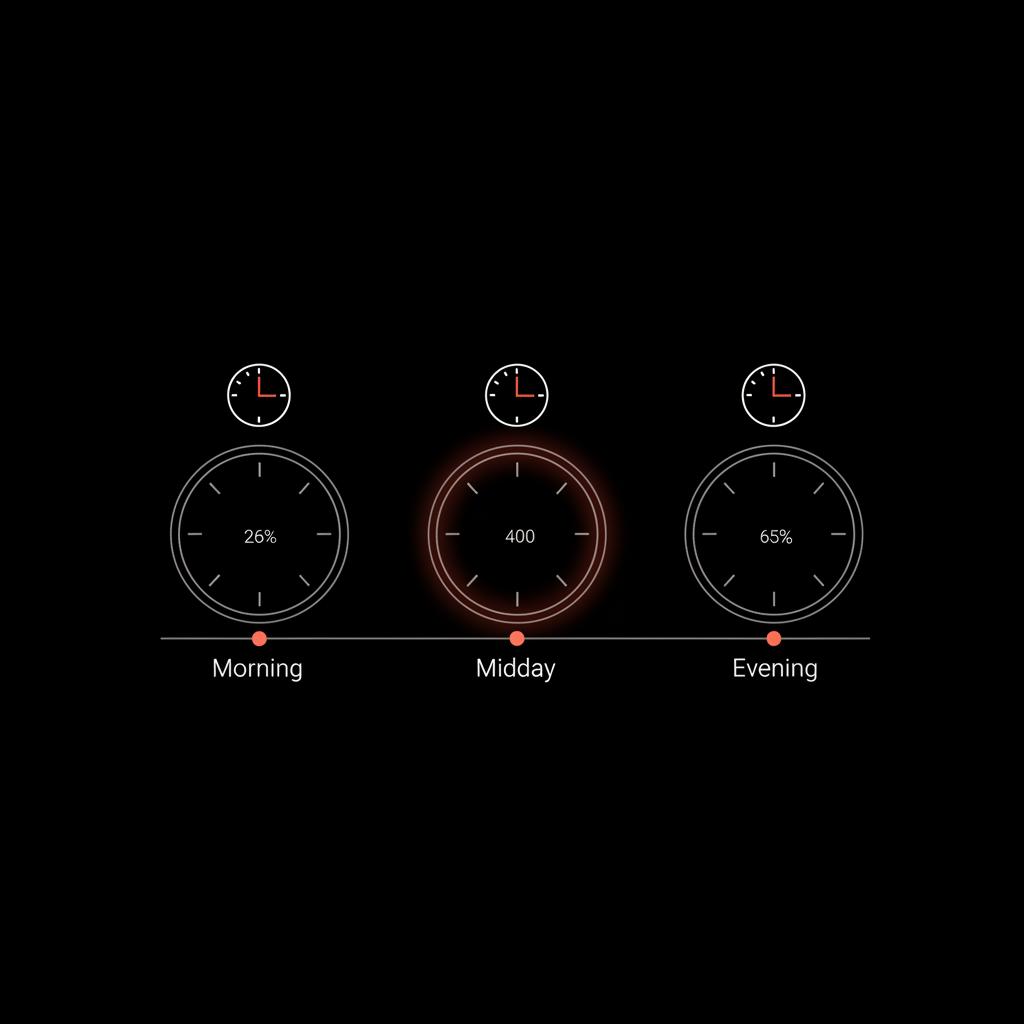
Randomly changing posting times won’t give you reliable answers. Use a simple, repeatable A/B testing framework over a long enough period. Pick three buckets—morning, mid-day and evening—and post similar content in each. Keep creative format, caption length and post type consistent while you test.
How long to run each window
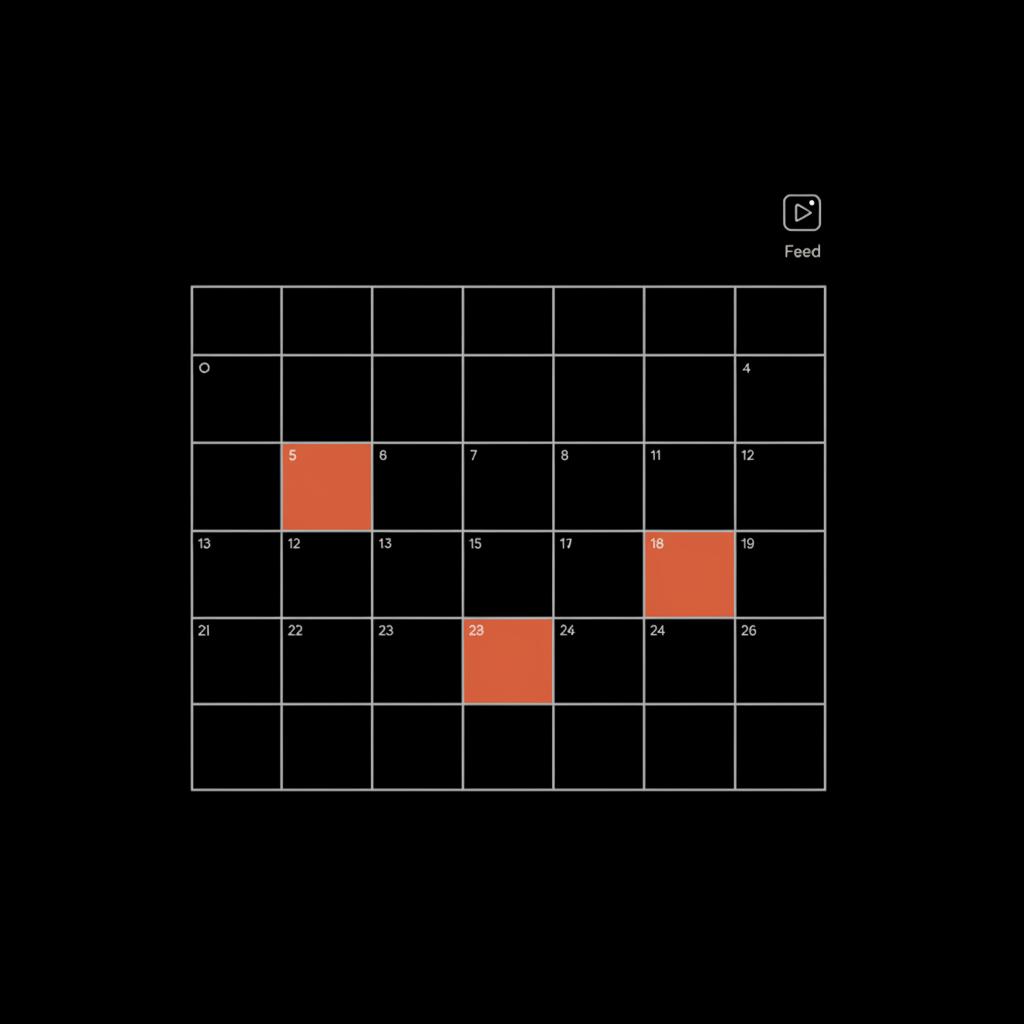
Run each time bucket for at least two to four weeks; if your account is small, extend to six weeks per bucket. That helps smooth daily noise and one-off events that can distort results. For Reels, give performance 7–14 days to reveal discovery patterns and completion signals.
Likes and comments are visible and satisfying, but deeper signals matter more: reach, saves, shares and profile actions (profile visits and website clicks). Track how quickly interactions happen after posting—early velocity often predicts wider distribution. For Reels, watch completion rates and early retention; these help Instagram decide how widely to surface a video.
For additional reading and scheduling ideas, check our blog.
Reels are discovery-first content and often have a longer lifecycle. A Reels post can gain traction for days or weeks; a feed photo tends to peak much sooner. Because of that, you should test Reels with a longer observation window and pay special attention to early retention metrics. Meanwhile, carousels invite deeper engagement and can perform better in evening hours when people have more time to swipe and read.
If your followers span multiple time zones, a single “best hour” rarely works. Prioritize local posting for the markets that matter most to your goals. For important secondary markets, stagger posts across two to four windows so each region gets content during its active hours. This approach is especially helpful for brands that need conversions from specific markets.
A brand with most followers in the U.S. and strong secondary traffic in Europe can pick a primary window timed for the largest market and a secondary window that hits European mornings—then rotate so both groups see content at reasonable local hours.
One artisan brand split between the U.S. East Coast and Central Europe improved meaningful engagement by segmenting follower locations and testing three buckets: U.S. morning, U.S. evening / European morning and European evening. The two-window strategy outperformed a single global post-engagement rose, direct messages increased, and web clicks followed. That change didn’t require new creative-just smarter timing. Read similar examples in our case studies.
For small teams and solo creators, consistency beats perfection. Choose one primary window for your best content and one secondary window for supporting posts that aid discovery. Use scheduling tools set to local time to make the routine steady. If a Reel shows explosive early performance, give it some flexibility-the platform may keep surfacing it beyond the original window.
Follow this simple checklist for a reliable testing month:
Week 0: Pull 28–90 days of follower activity and location data from Insights and map your top time zones.
Weeks 1–2: Morning bucket—post similar content every day in the morning window for two weeks.
Weeks 3–4: Mid-day bucket—switch to the mid-day window and repeat the same content pattern.
Weeks 5–6: Evening bucket—post in the evening window for the same duration.
Post analysis: Compare reach, saves, shares, comments, profile visits and website clicks. For Reels, add a 7–14 day observation window.
Sometimes reach wins in one window while saves and profile visits lead in another. Which is more important depends on your objective. If brand awareness is the goal, reach matters. If conversions or meaningful interest matter, prioritize saves, profile visits and link clicks. Don’t expect a single metric to declare an undisputed winner—read the pattern across metrics.
Changes in audience makeup—like a spike in followers from a new country—mean it’s time to re-run the three-bucket test. Seasonality and viral posts can also skew results. When you see dramatic changes, isolate viral outliers and look for repeated weekly patterns over several weeks rather than a single anomalous day.
If your account is small, noise will be high and it will take longer to see clear winners. Be patient. Commit to a rotation for at least two months. Use the time to refine content and test formats that invite real interaction—questions in captions, saveable carousel guides, and short Reels with immediate hooks.
Native Insights are the place to start, but third-party analytics tools can provide deeper segmentation by location, compare formats over longer timelines, and break down follower behavior by weekday and hour. Add one tool at a time, and only if it helps simplify decisions rather than overwhelm with numbers.
Timing is a lever, not a miracle. A great post will find an audience even if timing is imperfect; a mediocre post rarely benefits from a “perfect” hour. Focus first on making content compelling for your audience: strong hooks for Reels, swipe-inviting carousels, and captions that invite conversation or a clear next step.
Track these metrics consistently during tests:
- Reach: How many unique accounts saw your post.
- Impressions: Total times your post appeared (shows repeat exposures).
- Saves: Indicates future interest.
- Shares: Signals content worth distributing.
- Profile visits and website clicks: These show conversion intent.
- Follower growth: Check if a window drives steady net followers.
- Early engagement velocity: How fast interactions happen after posting.
Cross-posted content can behave differently across platforms. If you publish the same creative on Reels and TikTok, or as a feed post and a Reel, test times independently. Audience expectations and platform discovery systems vary; what works for Instagram Reels may not match TikTok or YouTube Shorts timing.
Two recurring errors derail many tests:
1) Blindly following industry charts instead of looking at account-level data.
2) Changing times too often and collecting no consistent data. Treat testing like a slow bake—collect enough samples to be confident.
Make testing ongoing. If your audience grows quickly, or a new market becomes important, reset the buckets and run the test again. Algorithm updates and shifting user behavior mean a schedule that worked last quarter may need a tweak now.
A regional food blogger learned that quick, snackable Reels in the morning reached commuters and drove immediate interaction while longer carousel recipes posted in the evening got saves and recipe sends. Matching content type to time—short Reels for quick consumption; detailed carousels for deeper exploration—doubled meaningful engagement in three months.
If reach spikes in one window and saves spike in another, your action depends on priorities. For awareness campaigns, favor the reach window. For conversion-focused posts (product promotions, lead-gen), favor the window that produces profile visits and clicks-even if raw reach is lower.
Try this simple weekly template:
- Monday: Plan and batch content.
- Tuesday (primary window): Publish your best feed post or Reel.
- Thursday (secondary window): Post supporting content—stories, behind-the-scenes, or a shorter Reel.
- Saturday (opportunity window): Publish community-building content—Q&A, polls, or long-form carousel.
If you’ve tested for months and still see no signal, or you manage many markets and campaigns, an outside audit can help. A quality audit will map follower locations, compare formats across time, and link posting windows to downstream actions like clicks and conversions. Ask any consultant for a clear three-bucket plan and a measurement horizon.
1) Pull 28–90 days of Insights data.
2) Pick three time buckets based on follower locations.
3) Publish consistent content in each bucket for 2–6 weeks.
4) Track reach, saves, shares, comments, profile visits and clicks.
5) For Reels, add a 7–14 day performance window to each post.
Isolate viral outliers and focus on recurring weekly patterns. If a single post skews averages, remove it when comparing windows. Look for repeated behavior across several weeks rather than a one-off spike.

For smaller creators, the key is steady improvement. Keep a consistent rhythm, refine creative quality, and be patient. Growth often follows a string of steady optimizations rather than a single viral post.
Testing templates and content ideas
Use these creative parity ideas when you test time buckets:
- Reel parity: Same length, same hook structure, similar music style.
- Carousel parity: Same number of slides, similar text density and CTA.
- Caption parity: Keep captions similar in length and structure; vary only the posting time.
Practical metrics interpretation examples
If morning posts get higher reach but lower saves and clicks, use mornings for discovery content and evenings for conversion-driven posts. If one window gets both reach and profile clicks, that’s your primary publishing hour for high-stakes content.
What surprising thing do most creators miss when testing posting times?
Many creators focus only on likes and immediate comments and miss the deeper signals—saves, shares and profile visits—that show real interest and conversion potential. Testing should prioritize these metrics and track early engagement velocity, especially for Reels, which can gain traction long after posting.
Why a single “best hour” rarely exists
Audiences are fragmented, people check Instagram at different times of their day, and global followings make a single hour impractical. The goal is to find a reliable set of windows that match your top markets and content types-then ruthlessly measure what matters for your goals.
Quick tips to move from data to action
1) Start with follower location and activity.
2) Test three reasonable windows.
3) Keep content consistent during tests.
4) Track beyond likes: saves, shares and profile actions.
5) Be patient, then favor the window that aligns with your goals.
When timing beats quality (rare)
Timing can give excellent content a boost-but rarely rescues weak content. The biggest gains come when you combine great creative with a window that increases early visibility. Think of timing as the nudge that helps a strong post land in front of the people who will care first.
Advanced strategies for brands
Brands can use regional teams or staggered posting to hit priority markets during local peak hours. For product launches, coordinate posts so that primary markets see content during their active windows and secondary markets receive follow-ups timed to their dayparts.
Why you should log everything
Keep a simple spreadsheet: date, time bucket, post type, creative parity notes, reach, saves, shares, profile visits and link clicks. Over months, that sheet becomes your single source of truth-far more useful than a dozen disconnected charts.
Final practical example
A small e-commerce brand discovered midday posts in their largest country produced more website clicks and conversions, while evening posts generated more product page views without the same conversion lift. By allocating conversion-focused posts to midday and discovery posts to evening, they optimized both reach and revenue.
Summary checklist to run next 60 days
1) Pull follower activity data.
2) Choose three buckets and schedule parity content.
3) Run each bucket for 2–6 weeks and track core metrics.
4) Compare and choose the window that aligns with your goals.
Parting encouragement
Timing matters, but content matters more. Measure patiently, test deliberately and let your audience teach you the windows when they’re most ready to listen. Over time, you’ll trade guesswork for a predictable posting rhythm that supports growth and conversions.
Want help planning a three-bucket test or prefer a simple template to track results? Reach out to us for a quick consult at Social Success Hub Contact and we’ll point you to the right worksheets and next steps.
Ready to stop guessing and start testing?
Want help planning a three-bucket test or prefer a simple template to track results? Reach out to us for a quick consult at https://www.thesocialsuccesshub.com/contact-us and we’ll point you to the right worksheets and next steps.
How do I find the best time to post on Instagram for my specific audience?
Start with Instagram Insights: check follower activity by hour and day and map top locations. Create a three-bucket test (morning, mid-day, evening), post parity content in each bucket for 2–6 weeks, and compare reach, saves, shares and profile actions. For Reels, add a 7–14 day observation window. Prioritize the window that aligns with your goals—reach for awareness, profile visits and clicks for conversions.
Do Reels need different timing tests than feed posts?
Yes. Reels are discovery-forward and often have a longer lifecycle, so give each Reel a 7–14 day observation period before concluding. Test similar videos across your time buckets and watch early retention and completion rates—these early signals have an outsized effect on how widely Instagram surfaces a Reel.
Can the Social Success Hub help me set up tests or interpret messy data?
Absolutely. Social Success Hub offers guides and worksheets that mirror the three-bucket testing method and can save you time. If you prefer direct help, contact Social Success Hub for a focused plan and a discreet audit tailored to your follower map and conversion goals. Their team can help set up tracking and interpret results to recommend a confident posting schedule.
In one sentence: the best time to post on Instagram is the set of windows you discover through deliberate testing and aligned content — test morning, mid-day and evening, measure what matters, and stick with the winner. Thanks for reading—now go test, learn, and maybe enjoy an extra cup of coffee while the algorithm does its work!
References:


Comments