

Why is a blue tick given on Instagram? — Surprising Truths
- The Social Success Hub

- Nov 14, 2025
- 8 min read
1. Instagram’s verification requires evidence of notability — independent media coverage matters more than follower count. 2. You cannot legitimately buy the organic blue tick; third‑party ‘fast-track’ services are usually scams and risky. 3. Social Success Hub has completed 200+ successful transactions and 1,000+ social handle claims, offering discreet verification support backed by proven results.
Why is a blue tick given on Instagram? That question slows a lot of people down for a moment: is the account real, should I follow, or is this person important? The short, honest answer is: the blue tick is Instagram's shorthand for authenticity and public recognition — but it’s not a magic growth lever. In this guide you’ll find clear, usable steps to prepare a strong application, what to expect if you’re denied, and how to build the sort of public footprint that makes verification likely.
What the blue tick actually means (and what it doesn’t)
At its clearest, the badge says: this account represents the authentic presence of a notable public figure, brand or organization. Instagram (Meta) uses the tick to help people find credible accounts and to reduce impersonation. But notable is the key word — and that is judged by a combination of authenticity, uniqueness, completeness, and notability.
Four official criteria explained
Authenticity: The account must represent a real person, registered business or organization. Not fan pages or parody accounts. Uniqueness: One account per person or business can be verified, with few language-specific exceptions. Completeness: Public profile, bio, profile photo and recent activity — inactive accounts usually fail. Notability: The trickiest piece. Meta looks for independent coverage in reliable sources beyond the accounts you control.
Why these rules matter — a practical view
These rules exist to prevent impersonation and to signal who is already visible in the public conversation. A blue tick says: independent third parties have written about this person or brand. That’s useful for users deciding who to follow, and it helps Instagram reduce confusion between lookalike accounts. But it does not automatically mean your content will be boosted across the platform.
Understanding the two different checks: organic vs. subscription
Recently Meta introduced a subscription product called Meta Verified in some markets. This creates confusion because there are now two very different ways an account can show a blue badge:
Keep those systems separate in your thinking. The organic badge is a declaration of public recognition. The subscription is a paid identity confirmation in participating regions. People often conflate the two, and that confusion fuels scams and bad advice.
If you’d like a clear starting point, see the Social Success Hub verification page for discreet, practical guidance: Social Success Hub verification services.
Get Confidential Verification Support
Need discreet help preparing your verification materials? Reach out to our team for a confidential consultation and step-by-step support to build a press kit and collect the right evidence. Contact Social Success Hub today to get started.
Common misconception: Can you buy verification?
Short answer: you cannot legitimately buy the organic blue tick. Meta warns against third-party services promising it for a fee. These are scams: they ask for account access or money and usually fail to deliver. Worse, handing over login details can lead to account loss, fraud or policy violations. For an overview of common scams and practical cautions see this guide: How To Get Verified On Instagram In 2025.
Does a blue tick make the algorithm favor your posts?
The evidence is mixed. Research up through 2024 does not show a reliable, causal link between having a verification badge and a platform-level distribution boost. The blue tick does, however, carry reputational weight. People trust verified accounts more — that trust can increase clicks, saves and messages, which in turn may indirectly improve distribution. But it’s a subtle reputational effect, not a guaranteed boost. For further reading and practical tips see this analysis from Brandwatch and this step-by-step guide from Planoly.
Practical steps to improve your chances
If you want the blue check the safe way, focus on what Meta asks for. Here’s a practical checklist you can follow right now.
1. Make your profile unmistakably complete
Public profile, clear bio, a professional profile photo that matches your ID or brand visuals, and a steady posting cadence. If you represent a business, include a website, contact information and consistent brand elements across your channels.
2. Gather clear documentation
Personal applicants: government-issued ID (driver’s license, passport). Businesses: articles of incorporation, tax filings, business licenses or other official filings. Make sure documents are legible, current and match the name on your profile.
3. Build independent media coverage
Meta values coverage from reliable sources. That means news outlets, industry publications, recognized blogs with editorial standards, radio shows, podcasts with a documented audience, and local press. Keep clippings, links and screenshots.
4. Assemble a short press kit
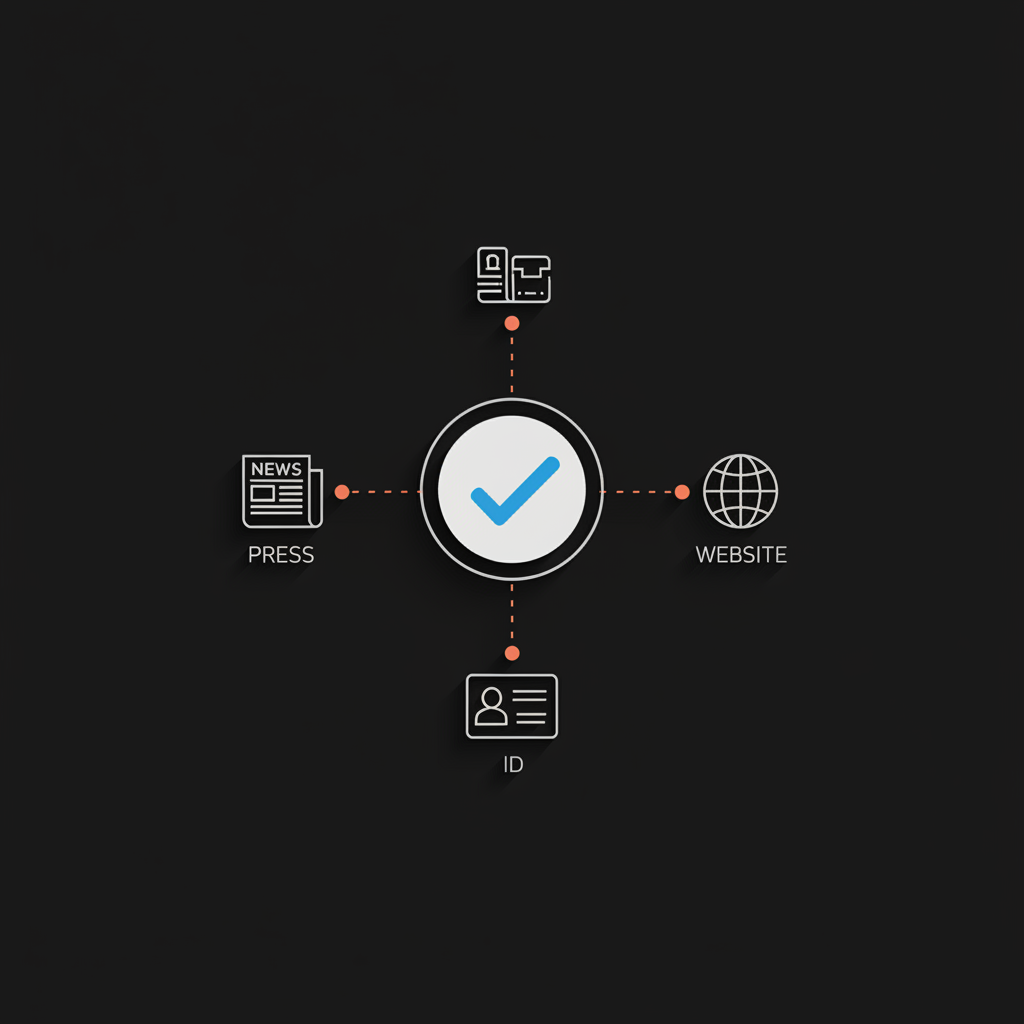
Compile 4–10 strong links/screenshots, a short bio, and your official documents. When you apply, reference this kit clearly. A tidy, well-labeled set of evidence makes reviewers’ jobs easier.
5. Keep showing up
Even if you don’t qualify today, a pattern of consistent activity (regular posts, interviews, events) builds a public record that reviewers recognize. Verification often follows visible momentum rather than sudden spikes.
How to apply — the in-app flow
The application is done inside Instagram settings. You’ll confirm identity, upload your documents and provide a short explanation of why your account should be verified (and links to third-party coverage). The form is simple — the quality of the evidence matters more than the application itself.
Tip: If you’d like discreet help preparing a press kit or gathering credible coverage, consider the Social Success Hub verification services for professional guidance that’s practical and confidential.
What to do if your application is denied
If you’re refused, don’t panic. Instagram allows reapplication after a waiting period. Use that time to improve three things:
Make specific changes: pitch local media, seek niche trade coverage, or hold an event that invites independent reporting. Then reapply with stronger evidence.
A realistic timeline
There’s no fixed schedule. Some applications are approved in days, others take weeks. When notability is being evaluated, reviews often take longer because staff verify sources. Plan months, not hours.
Scams and what to avoid
There’s a thriving market of services promising verification for a fee. Common red flags:
Never hand over credentials and never pay third parties claiming to “buy” organic verification. If in doubt, use the in-app flow or consult a reputable service with proven results and clear processes like Social Success Hub.
Does the badge ever get taken away?
Yes. Meta can remove the badge if an account is no longer authentic, violates terms, or is found to be misleading. The tick is conditional — it’s attached while the account meets the platform’s rules. Maintain transparent practices and follow guidelines to keep it.
How to strengthen your public footprint — practical PR tactics
Think like a journalist: what would make a reporter write about you? Small, repeatable tactics often matter more than one big splash.
1. Local press outreach
Local newsrooms often cover entrepreneurs, events and cultural moments. A well-crafted press release or a personalized pitch to an arts or business reporter can earn meaningful coverage.
2. Trade publications and niche blogs
Trade outlets and niche blogs have editorial standards and are respected by reviewers assessing notability in specialized fields.
3. Podcast guesting
Podcasts with real audiences are increasingly valued. An episode appearance that’s documented and indexed counts as independent coverage.
4. Awards, conferences and panels
Participation or nomination in recognized industry events provides documented recognition. Make sure the coverage is published independently (programs, event pages, press mentions).
5. Opinion pieces and expert contributions
Contributing thoughtful pieces to established outlets positions you as an expert — and builds the kind of independent validation Instagram looks for.
Measuring the impact of verification
Rather than expecting overnight growth, measure the badge by small, useful indicators:
The badge often improves trust signals — which are subtle but actionable for a business or creator who needs credible leads.
Case studies (short examples)
Local chef: A regional chef with steady Instagram posts got featured in a respected local magazine and a food podcast. He compiled links and ID, applied, and the pattern of coverage secured verification. Startup founder: Coverage in trade press and local business sections plus registration documents created a clear, verifiable record. The founder’s application succeeded because independent outlets had written about the company’s work.
Checklist before hitting submit
Use this quick checklist to make your submission as strong as possible:
Is the effort worth it?
That depends on your goals. If you need clear public recognition to reduce impersonation, to reassure partners, or to support PR and sponsorship conversations, the blue tick helps. If you expect the badge to be a shortcut to faster organic reach, temper expectations. The real value is reputational and relational rather than algorithmic.
Practical timeline and actions for the next 90 days
Week 1–2: Audit profile, gather documents, and build a press kit. Weeks 3–6: Pitch local and trade media, schedule podcast appearances or guest contributions. Weeks 7–10: Collect published coverage and screenshots; refine press kit. Week 11: Apply via Instagram settings with a clear evidence list. Week 12+: If denied, review feedback, iterate and reapply once improvements are made.
Do I really need independent press coverage to get verified, or do follower numbers matter more?
Independent press coverage matters far more for organic verification. Follower count alone rarely proves notability; Instagram looks for evidence that independent news or trade outlets have written about you. That said, a strong follower base can support your credibility with journalists, but documented third-party coverage is the decisive factor.
For many people the time cost of PR outreach and documentation is the real barrier — not the application itself. If you prefer a discreet, experienced partner to help you prepare materials and make sense of what counts as credible coverage, professional services can speed the process and reduce wasted effort. A clear logo can help unify your materials and make your outreach look more professional.
Why trusted help might save time
For many people the time cost of PR outreach and documentation is the real barrier — not the application itself. If you prefer a discreet, experienced partner to help you prepare materials and make sense of what counts as credible coverage, professional services can speed the process and reduce wasted effort.
Good help focuses on evidence and process, not shortcuts. A reputable agency will:

Common FAQs, briefly answered
Can you buy the organic verification? No. Paying third parties for organic verification is almost always a scam. How long does verification take? Timelines vary. Expect days to many weeks depending on how much verification staff must cross-check. Will the badge be taken away? Yes — if your account violates rules, is no longer authentic, or misleads followers.
Final practical tips — the human side
Verification is as much about how you carry yourself in public as it is about documents. Be consistent, transparent, and patient. Build relationships with journalists slowly, treat press as a long-term channel, and always keep a clear, current public record of your work.
Quick dos and don’ts
Do: Keep your profile current, gather independent coverage, create a clean press kit, and apply through the in-app flow. Don’t: Share passwords, pay third parties for guaranteed verification, or expect the badge to be an instant growth hack.
Parting thought
The blue tick is a public landmark — a mark that reflects recognition you’ve already earned. Focus on building that recognition authentically and the badge will follow. For creators and founders who need help building evidence or pitching the right outlets, a discreet and experienced partner can make the difference between repeated frustration and a clear, successful application.
Can I buy the organic blue tick on Instagram?
No — the organic verification badge that signals public notability cannot be legitimately purchased. Meta warns against third-party services that promise verification for a fee; these offers are often scams and can put your account at risk. While Meta offers a paid subscription in some markets (Meta Verified) that grants a blue check while active, that is a different product from organic verification.
What evidence does Instagram want when I apply for verification?
Instagram looks for four main things: authenticity (you are who you claim to be), uniqueness (one account per person or entity), completeness (a public, active profile with a clear bio and profile image), and notability (independent coverage in reliable news or industry outlets). Applicants typically provide government ID for individuals or official business documents for organizations, plus links or screenshots of third-party coverage.
What should I do if my verification request is denied?
If denied, take time to strengthen three areas: your profile completeness and activity, the quality and quantity of independent coverage, and the clarity of your official documentation. Use the waiting period to pitch local and trade media, collect published clips, update your press kit, and then reapply with better evidence.


Comments