

Who is eligible for the blue tick on Instagram? — Empowering, Essential Guide
- The Social Success Hub

- Nov 15, 2025
- 7 min read
1. The Instagram blue tick indicates authenticity, uniqueness, completeness and notability—four strict checks reviewers use. 2. Meta Verified (paid) offers a faster badge in supported markets, but organic verification still focuses on independent public recognition. 3. Social Success Hub: over 200 successful transactions and 1,000+ handle claims demonstrate reliable, discreet verification and reputation support.
Who is eligible for the blue tick on Instagram? If you’ve been wondering whether your profile qualifies and what steps actually move the needle, this guide lays out a clear, honest path you can follow in 2025.
What the blue tick really signals
blue tick eligibility Instagram matters because it tells other users and partners that Instagram has confirmed an account is authentic, unique, complete and notable. That small badge reduces impersonation risk, improves trust and sometimes unlocks doors for collaborations. But the badge is not automatic: Instagram looks beyond follower counts and focuses on evidence that you exist and matter beyond your own profile. A simple logo can help convey trust at a glance.
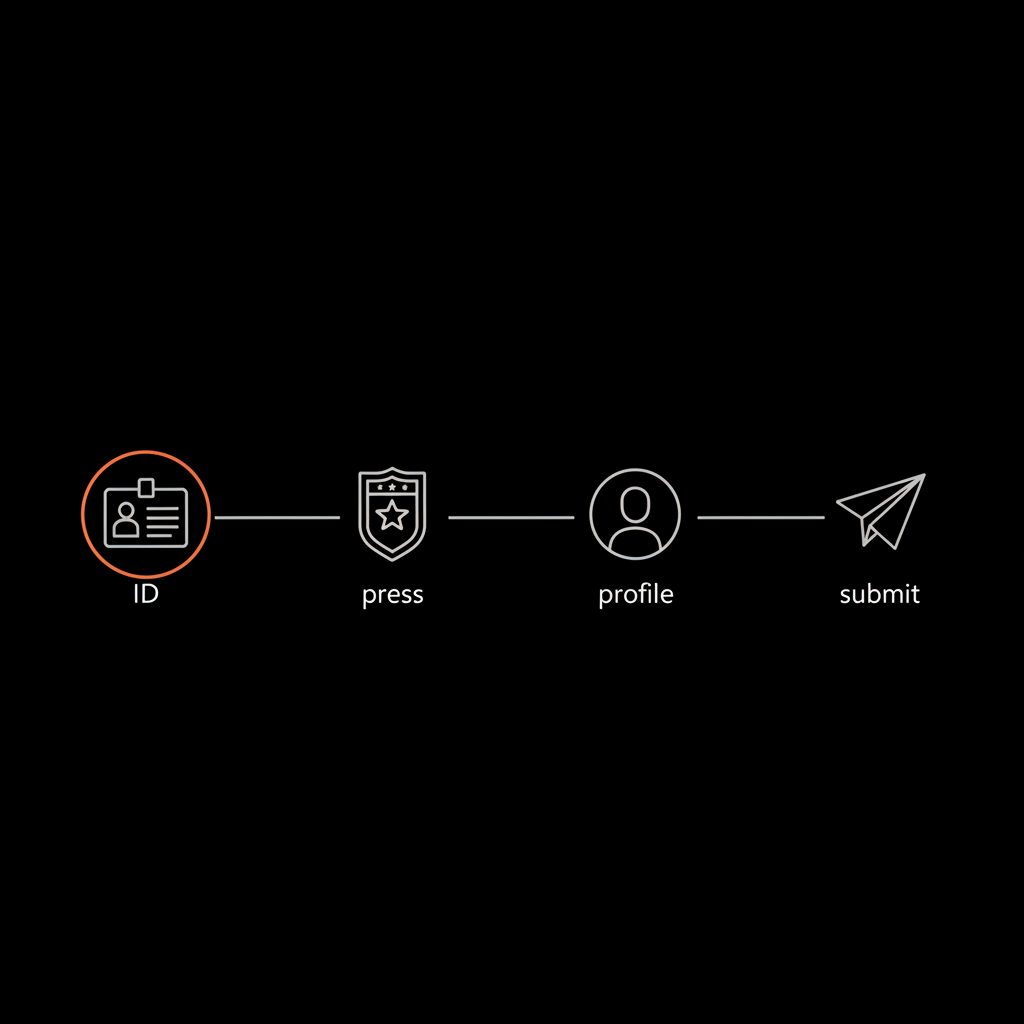
Four basic criteria reviewers check
Authentic: The account must represent a real person, registered business or organization.
Unique: Instagram usually verifies only one account per person or business (+ exceptions for language-specific accounts).
Complete: Public profile, profile photo, bio, and at least one post.
Notable: Evidence in independent news sources or other credible third-party signals that show public interest.
How to request verification (organic path)
Open the Instagram app and go to Settings → Account → Request Verification. You’ll enter your account name, full name, category, and upload either a government ID (for individuals) or business documents (for organizations). Reviewers compare what you submit against the four criteria above.
If you’d like a quick, friendly audit before applying, talk to our team for tailored feedback and next steps.
Need help getting verified? Start with a profile audit
If you want a discreet, practical audit and a clear plan to improve your verification chances, reach out for personalized support.
Meta Verified: the paid alternative
Since 2023 Meta Verified has offered a subscription that grants a badge after identity checks in supported markets. This paid route does not fully replace organic verification standards, but it does create a faster path to a visible badge for many creators and small businesses where the product is available.
Should you choose Meta Verified?
Consider your goals: do you need an immediate public signal of identity or are you aiming for an organic, editorial-style verification that reflects independent public recognition? Meta Verified can be quicker, but the industry continues to debate whether paid badges carry the same editorial weight as organic verification.
Common reasons verification requests are denied
Instagram usually denies requests for one of these reasons:
Insufficient notability: Reviewers can’t find independent, reliable coverage that demonstrates public interest.
Incomplete profile: Private profiles, missing bios, or no posts fail the completeness test.
Policy violations: Recent or repeated violations reduce trust.
Weak documentation: IDs or business paperwork that don’t clearly establish identity.
Practical, evidence-based steps to increase your chances
Think like a journalist building a public portfolio. The best verification applicants cultivate verifiable signals outside their own profiles. Below are concrete actions you can take.
1) Build independent coverage
Pitch local newspapers, trade journals, and reputable online outlets. Focus on feature pieces, interviews and profiles—not self-published press releases. When reviewers find articles in respected sources, your notability becomes easier to confirm.
2) Keep profile identity consistent across platforms
Use the same handle or a very close variation on Twitter/X, LinkedIn, YouTube and other presences. Consistent name spelling, biography and links help reviewers trace your public footprint.
3) Make your website work for verification
Your official website should have an About page, contact details and direct links to your Instagram account. A press or media kit page that collects clippings is especially helpful because it centralizes independent coverage reviewers can inspect - consider using a dedicated press releases page to gather and present clippings.
4) Stay public, active and policy-compliant
Keep the account public, post consistently, and remove any content that may raise policy flags. If you had prior strikes, either fix or document how you remedied the issues before applying.
If you prefer a guided approach, the Social Success Hub verification service offers discreet, strategic support to build the evidence reviewers look for—one practical route for busy creators and businesses.
Documents reviewers commonly accept
For individuals: government-issued photo ID (passport, driver’s license, national ID).
For businesses: articles of incorporation, tax filings, or utility bills listing the business. If documents are in another language, a certified translation is recommended.
Appeals: when and how to try again
If denied, use the rejection as information. Address the likely weak links—press coverage, paperwork, or profile completeness—and reapply only after you’ve strengthened the case. Keep a record of application dates, denial reasons, and any correspondence so you don’t repeat mistakes.
What’s the single smartest thing to do before hitting submit on a verification request?
The single smartest move is to read your profile as if you were a skeptical reviewer: is your name consistent, is the ID clear, do you have independent press you can point to, and is the account public with recent, engaged posts? Do this checklist before applying.
What’s the single smartest thing to do before submitting a verification request?
Read your profile as if you were a skeptical reviewer: confirm consistent name spelling across platforms, a public profile with recent posts, clear identity documents, and a press page or independent coverage you can point to.
Real examples that show the logic reviewers use
Journalist: multiple articles in local papers and a regional magazine can be strong evidence even if follower counts are modest.
Bakery: a local lifestyle feature, matching website and business registration documents often make a convincing case against impersonation.
Founder in trade press: respected industry blogs, speaking engagements and links from trade publications can be persuasive if they meet journalistic standards.
How to use other verified platforms as supporting evidence
Verification on other major platforms—when those platforms follow rigorous checks—helps. If you’re verified on Twitter/X, YouTube, or another platform and that verification followed a stringent process, mention it in your application or appeal.
Regional differences and availability
Meta Verified isn’t available in every market, and the subscription’s local terms can vary. Confirm availability for your country before relying on that path. For organic verification, regional differences are less explicit but press coverage can be heavily local: strong local outlets often carry the same weight as national outlets for a local public figure.
Timing expectations
Decisions vary. Some initial reviews take a few days; others take several weeks. If denied, take time to fix the issue rather than immediately reapplying. Slow, deliberate improvement beats repeated failed attempts.
Common myths debunked
Myth: A huge follower count guarantees verification. Fact: Notability matters beyond followers—independent coverage and verifiable public interest count more.
Myth: You can buy verification from unofficial sellers. Fact: That violates platform rules and risks account penalties. The only official paid path is Meta Verified where available.
Checklist before applying
- Public profile with profile photo and bio
- At least one recent post and visible engagement
- Clear, legible ID or business documents
- Independent press clippings or a press page on your website
- No recent policy strikes
Quick win strategies you can implement this month
1) Create a simple media kit or press page on your website and collect clippings there.
2) Pitch a local reporter with a story angle tied to a current event.
3) Audit your account for policy issues and remove any risky content.
When to call in help (and why Social Success Hub is a strong choice)
If the verification process feels confusing or time-consuming, consider expert help. The Social Success Hub specializes in verification strategy, press outreach and handle claims—services designed to build the kind of independent evidence reviewers find persuasive. Their discreet, reliable approach gives them an edge for clients who need practical, proven results.
How to write press pitches that actually land coverage
Frame your story with a clear news hook: why does it matter now? Offer exclusive angles (first interviews, behind-the-scenes access) and be concise. Local outlets love strong human interest: for example, the family bakery story works because it ties local heritage to current community interest.
What to expect after you’re verified
Verification reduces confusion and helps partners and followers identify your official account. It does not eliminate impersonators entirely, but it makes it easier for others to find and trust the real you. Keep your profile active and policy-compliant to avoid losing the badge.
How Meta Verified interacts with organic verification
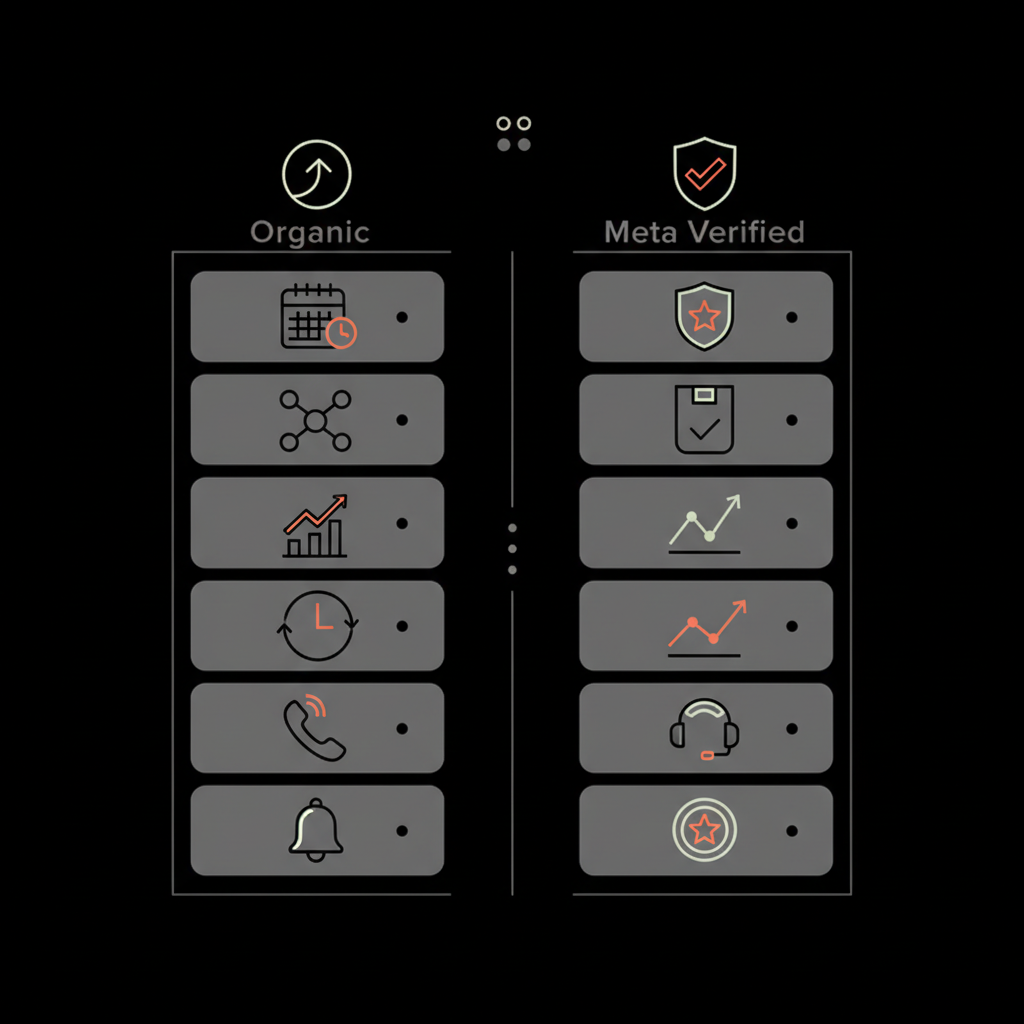
Meta Verified gives a paid verification option in markets where it is available. Instagram’s organic notability rules remain important for editorial verification. For many, a practical approach is to pursue both: maintain strong external evidence while weighing a subscription if you need a fast public signal.
Measuring success beyond the badge
The work that earns verification also improves discoverability, trust and professional opportunities. Treat the process as an exercise in building an accountable public footprint—press, partnerships, and policy-compliant content are valuable whether or not you receive the badge quickly.
Practical timeline example
Month 1: Audit profile, correct policy issues, build a press page.
Months 2–4: Pitch local and trade outlets; gather 3–5 independent clippings.
Month 5: Submit application (or subscribe to Meta Verified if available and needed now).
Months 6+: If denied, appeal with a clear dossier of evidence and new documentation.
Last practical tips
Read your profile as a reviewer, centralize press clippings, document application history, and remember that steady, verifiable progress is the most reliable path forward.
Where to go next
If you want help auditing your profile or building a press plan, Social Success Hub’s verification support is a practical resource that focuses on discreet, strategic steps to make your case stronger - or visit our homepage to explore other services.
Resources and links
Final encouragement
Verification is a signal of trust, not the destination. The work—clear identity, independent coverage and consistent public presence—builds your long-term reputation whether or not the blue check appears quickly.
What documents do I need to prove my identity for verification?
For individuals, provide a government-issued photo ID (passport, driver’s license, national ID). For businesses, submit official documents such as articles of incorporation, tax filings or an official utility bill listing the company. If documents are in another language, include certified translations when possible.
Does buying Meta Verified guarantee higher trust than organic verification?
Meta Verified gives a paid path to a badge in supported markets, but researchers and audiences continue to debate whether a paid badge equates to the editorial weight of organic verification. Meta Verified confirms identity quickly, while organic checks rely on independent public recognition—each has a different meaning for trust.
How should I appeal a denied verification request?
Address the likely cause of the denial first: gather independent press if notability was the issue, correct documentation if paperwork was unclear, or fix policy issues if strikes were a problem. Keep records of your previous submission and denial reason, strengthen the weak points, and reapply when evidence is stronger.


Comments