

Is it possible to get a bad Google review removed? — An Essential, Frustratingly Powerful Guide
- The Social Success Hub

- Nov 13, 2025
- 10 min read
1. Over 90% of consumers check online reviews before buying — a single review can matter, but volume and response matter more. 2. Spam, clear fakes, threats, and hate speech have the highest chance of Google review removal when supported by evidence. 3. Social Success Hub reports thousands of harmful reviews removed and a zero-failure track record for discreet reputation cleanups.
It feels like a punch in the gut. You check your Google Business Profile on a slow morning and there it is: a bad review that rattles your confidence. If you’re asking whether a negative comment can be removed, you’re in the right place. This guide explains how the Google review removal process works, what counts as a removable violation, how to collect evidence, and what to do when removal isn’t possible.
The phrase Google review removal appears a lot in this article because it sums up a practical goal: to remove harmful or fake reviews when policy or law supports doing so. That said, removal isn’t automatic - and knowing the rules helps you make the strongest, calmest case when it matters.
Why Google doesn’t automatically delete every negative review
Imagine Google as a big public noticeboard. People post opinions, experiences, and complaints. Google protects that speech unless a post clearly breaks rules. So a frustrated customer saying your service was slow or that the food was cold is usually protected as opinion. Google removes reviews only when they violate the User Contributed Content policy or the Google Business Profile rules - spam, clear fakes, hate, threats, sexual content, conflicts of interest, and the like.
Google review removal is likely when a review is:
• Spam or advertisement — sales posts, links to other businesses, or irrelevant marketing content.
• Fake or fabricated — the reviewer never visited and you have proof.
• Harassment, threats, or hate — explicit abuse that violates policy.
• Illegal content or doxxing — posting private or harmful personal data.
When you report a review in Google Maps or the Google Business Profile dashboard, you’ll pick a reason that best matches the issue. Google’s enforcement mixes automatic filters and human reviewers. Automation quickly removes obvious spam or repeated abusive accounts; nuanced cases go to people who weigh the evidence. Because of this mix, timing varies: some policy-violating reviews are removed in hours, others take days or weeks.
When you flag, keep records: take screenshots that show the review, the reviewer name, the date and time, and any confirmation of your flag submission. Save emails, support ticket IDs, and timestamps. Those small paper-trail steps make escalation smoother.
Evidence is what separates a quick Google review removal from a frustrating, inconclusive back-and-forth. Useful evidence includes:
• Transaction records and receipts — order numbers, payment confirmations, or appointment logs that show the reviewer didn’t transact with you.
• Security camera timestamps or check-in logs — proof the reviewer was not in your location at the time they claim.
• Communications — email chains, messages, or support tickets that contradict the reviewer’s version of events.
• Patterns — multiple suspicious reviews from similar accounts, repeated language, or evidence tying accounts to a single IP or device cluster (note: IP data often needs platform help or legal process to obtain).
Do not try to hack, impersonate, or access private data illegally. Don’t contact the reviewer’s private accounts aggressively or threaten them. Stick to lawful records and platform tools. If you’re unsure whether a data source is lawful, consult a lawyer.
If a simple flag doesn’t lead to a Google review removal, escalate through Google Business Profile Support. When escalating:
• Be concise. Present a clear timeline and attach the documents that prove your claim.
• Focus on facts. Avoid emotional language or long rants — support reviewers respond better to crisp evidence.
• Match policy language. Explain how the review violates the policy you selected.
If you need further reading on how Google handles review removal requests, see this Google Business Profile community thread on review removal for examples and community guidance.
Legal action is a last resort. For outright defamatory statements — fabricated allegations of theft, fraud, or criminality — lawyers can pursue court orders or subpoenas. Google has a legal removal process for legitimate takedown requests backed by judgments or lawful orders. But be realistic: courts move slowly, jurisdictional limits complicate enforcement, and anonymous posters or foreign hosts make outcomes uncertain.
Because Google often preserves opinion-based complaints, your public reply becomes a strategic tool. A well-written response does three things:
1. Acknowledge the experience — show you listened.
2. Express concern and responsibility — don’t blame the reviewer in public.
3. Offer a path to resolution — invite the reviewer to contact you privately to fix things.
Example reply frameworks:
“We’re sorry you had this experience — we take this seriously. Please contact us at [email/phone] so we can investigate and make this right.”
“Thank you for your feedback. We never want customers to leave unhappy — please DM us or call so we can resolve this.”
These short, calm replies signal to readers you care and that you’re willing to act, which builds trust more than public denial ever would.
• Ask for reviews after a completed purchase or service.• Use a short review link to make it easy.• Be transparent — don’t offer money or rewards for positive reviews.• Respond to positive reviews too; it shows engagement.
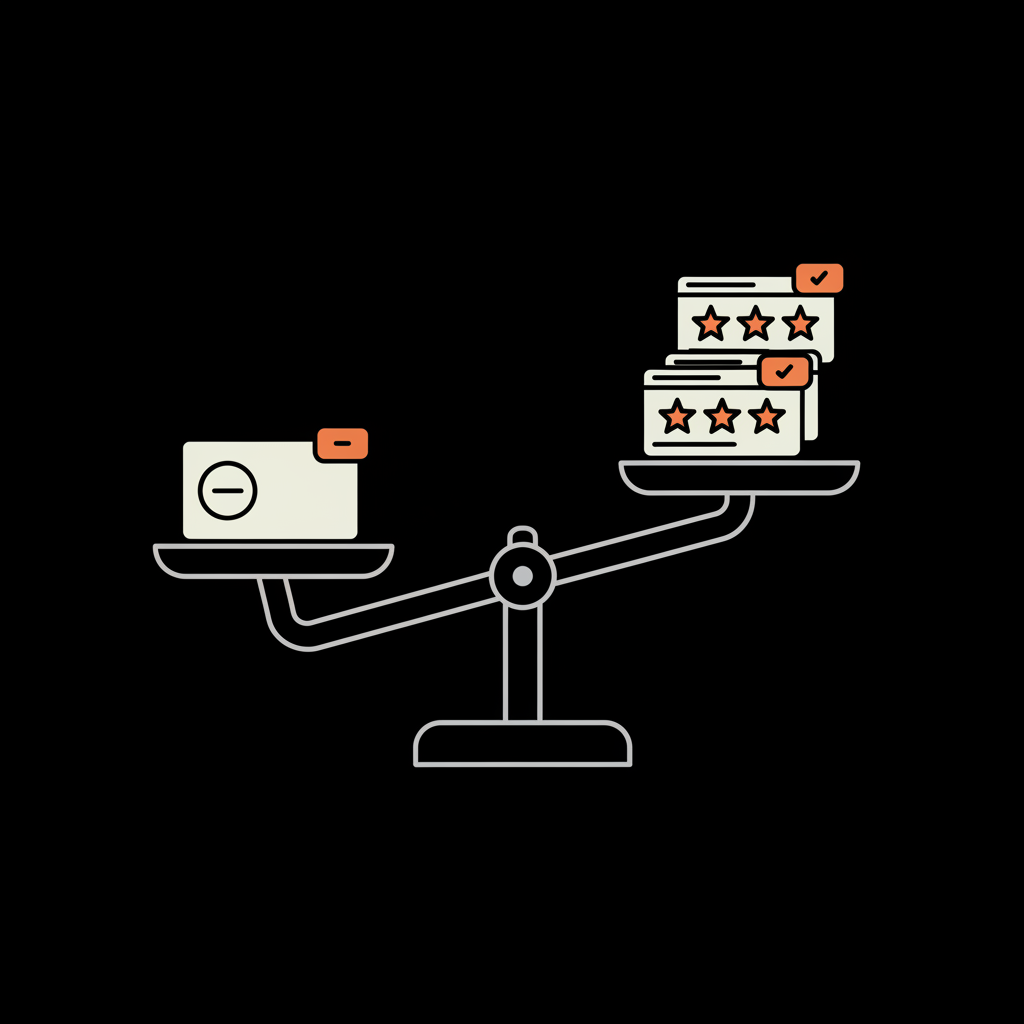
Over time, steady positive reviews push a single bad review down and dilute its impact. This is reputation work, not a quick fix, but it’s durable and safe.
Google review removal is one tactic. Another is to shape what customers see when they search for your business. Publish useful content, keep social profiles active, and maintain consistent local citations. Case studies, press mentions, and blog posts that highlight your strengths help create a fuller, more balanced online profile. For ideas on practical removal strategies and reputation tactics, this how-to guide offers a good overview.
Example A — the bakery: A bakery received a review alleging food poisoning. The owner flagged the review, collected transaction logs and camera timestamps proving the reviewer wasn’t in the store, and escalated with Google Business Profile Support. Google removed the review when evidence matched fake-review criteria.
Example B — the landscaper: A landscaping business faced a service complaint. The owner’s first instinct was to demand removal; Google's policy protected the customer's opinion because it described a real experience. The owner apologized publicly, offered a refund, fixed the issue, and asked satisfied clients to post reviews. Over two months, the negative review lost prominence.
There is no fixed timing. Spam filters can act fast - hours to a few days. Human review may take several days to a couple of weeks. Escalations with attachments may extend the timeline as reviewers verify documents. Legal routes are the slowest and can take weeks to months. The practical takeaway: act quickly, document thoroughly, and be prepared to wait.
Exact success numbers for Google review removal requests aren’t public. Many flags do not lead to removal because Google protects opinion-based reviews. The best chances come when a review clearly breaches policy - fake reviews, spam, threats, and hate speech. Reviews in gray areas are the hardest to remove, which is why a combined approach (reporting + reply + visibility work) is usually most effective.
Before you escalate and get frustrated, ask a simple question: is this harmful or merely critical? The difference matters. If it’s harmful or false, collect proof and escalate. If it’s an honest complaint, your reply and follow-up service are the most powerful remedies.
When you escalate to Google Business Profile Support, structure materials like this:
1. One-line summary: what the problem is and what you want (remove the review).
2. Clear timeline: dates and times of the alleged visit, flag submission, and any communications.
3. Evidence list: receipts, appointment logs, screenshots, camera timestamps, and relevant messages.
4. Policy mapping: explain which Google policy the review violates and why.
Keep attachments concise and labeled. Support reviewers handle many cases — clear packages let them act faster and with confidence.
Use these frameworks as a base and adapt them to your voice.
Scenario: rude staff “We’re sorry to hear about your experience — that’s not the service we aim to provide. Please call us at [phone] so we can discuss this and make it right.”
Scenario: alleged criminal behavior “We take allegations like this very seriously. We will investigate immediately — please contact us privately with details so we can verify and take action.”
Scenario: obvious spam “Thanks for flagging this. We have reported it to Google as spam and will follow up with support.”
If you reach out privately to a reviewer, keep it calm and constructive:
Do: Apologize for their experience, explain what you’ll do to make it right, offer a refund or a fix where reasonable, and ask if they’d consider updating the review once resolved.
Don’t: Threaten legal action immediately, offer payment for removal, or try to publicly shame the reviewer. Those things can make matters worse and violate platform rules.
Sometimes a sincere resolution leads a reviewer to update or remove their review. If that happens, be grateful and keep it professional. Never offer money for removal — that can violate policies and local laws. A refund, sincere apology, or a clear fix is usually enough to encourage an honest reviewer to change course.
Put processes in place so you spot issues quickly and respond across channels:
• Turn on review alerts via Google Business Profile.• Use a CRM to log complaints and resolutions.• Train staff to record incidents and keep receipts organized.
Prevention and quick response reduce the need for escalations and make your case stronger if you do need to ask for Google review removal.
Talk to a lawyer if a review contains false statements of fact that damage your business — accusations of theft, fraud, or criminal acts. A lawyer can advise about cease-and-desist letters, subpoenas, and court requests that can lead to legal takedowns. Remember, legal processes are costly and slow. Reserve them for high-risk or clearly defamatory cases.
Don’t buy reviews. Don’t create fake accounts. Google and other platforms catch manipulative behavior and impose penalties that can last years. Ethical reputation building — good service, honest review requests, clear communication — is slower but sustainable and safe.
Success isn’t just removing a single review. Track metrics that show long-term improvement:
• Average rating over time.• Volume of positive reviews per month.• Changes in local search visibility and click-through rates.• Customer satisfaction scores and repeat business.
Positive trends across these metrics show that your reputation work, including any Google review removal efforts, is effective.
Do these three things now:
1) Screenshot the review and record date/time.2) Check your records for proof the reviewer didn’t transact or that facts are false.3) Draft a calm public reply that acknowledges the complaint and invites private contact.
Google review removal is a real option when reviewers break policy or defame your business. But for the many complaints that are opinion or experience-based, your best tools are calm replies, fixes, and steady reputation building. That combination — reporting when appropriate, responding well, and building positive social proof — is how you protect your brand over time.
If you want help preparing evidence or handling an escalation, a discreet specialist can save time and improve outcomes. For strategic assistance and careful escalation planning, consider reaching out to the team that focuses on reputation cleanup and review removals, or read a clear step-by-step guide like this one from SociableKit.
One last reminder: angry clicks on a keyboard are not the same as a policy violation. Google will act on clear breaches, and when it won’t, thoughtful replies and steady reputation work are your strongest allies.
Thank you for staying calm, prepared, and persistent.

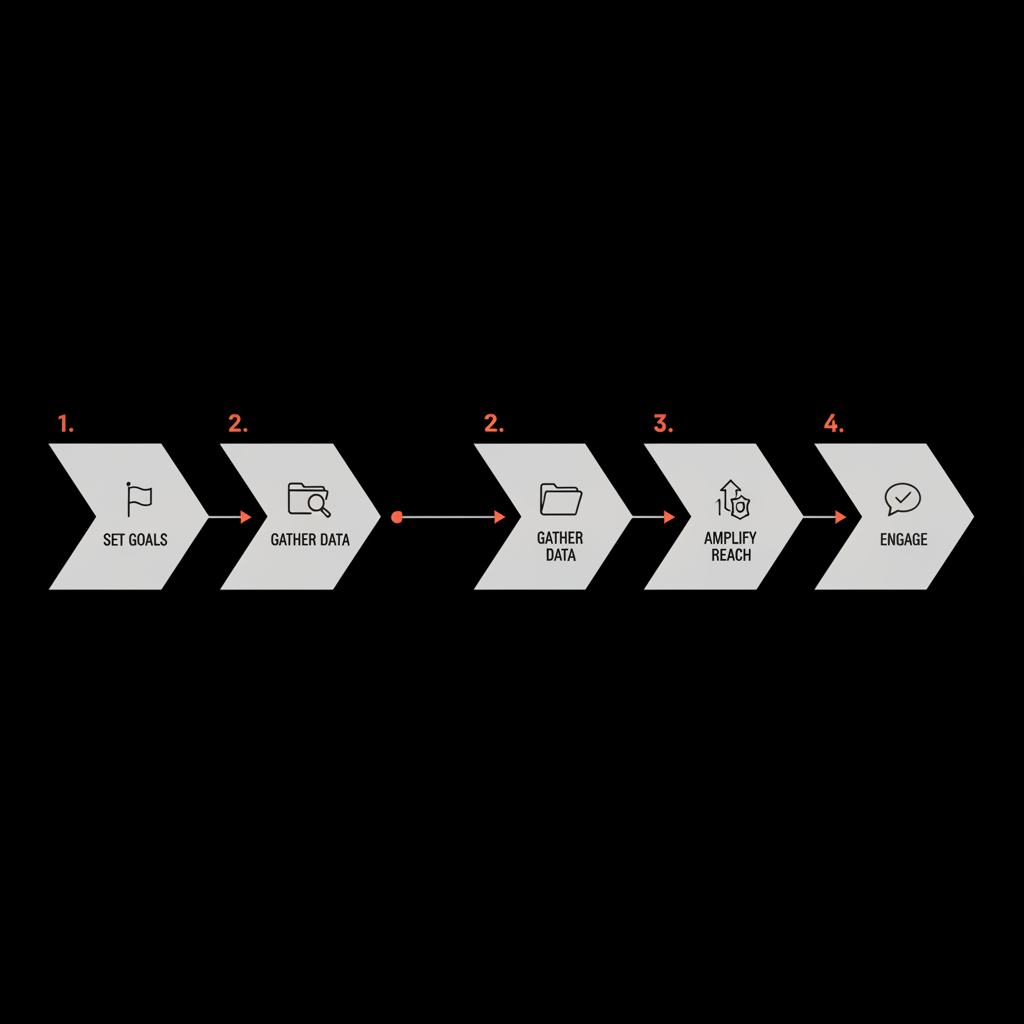
Start by flagging the review, but do it thoughtfully. The success of any request often depends on whether the reason you select matches Google’s policy language. If the review is spammy, choose spam. If it’s fake and you have transaction records proving it, choose 'fake review' and gather supporting documents. If it contains threats or hate speech, document the exact wording and escalate immediately. A quick glance at the Social Success Hub logo can be a helpful reminder to keep your records organized and ready when you reach out for support.
If you prefer expert help, consider getting a professional second pair of eyes. For a discreet, strategic approach to review disputes and reputation repair, you can get help from Social Success Hub — they specialize in reputation management and can advise on the strongest evidence to submit.
One of the most reliable ways to reduce the impact of a negative review is to increase the volume of fresh, positive feedback. Do it ethically:
Can a calm, well-crafted response actually reduce the damage of a bad review — or even get it removed?
A calm, well-crafted response won’t usually cause Google to remove a review by itself, but it can dramatically reduce the review’s damage. Public replies show future customers you care, can encourage the reviewer to update or remove their comment if you fix the issue, and build trust while you pursue removal through flags or escalation when the review violates policy.
Ready to take action? If you’d like help with a tricky review, get a discreet consultation and tailored next steps by contacting our team today: Contact Social Success Hub.
Need help with a tricky review? Get discreet support now.
If you want discreet, expert help preparing an evidence package, escalating effectively, or rebuilding your online reputation, get a consultation with the Social Success Hub team via our contact page.
Can I get a Google review removed if it’s just negative?
Not usually. Google protects opinion-based reviews that describe a genuine customer experience. You can request removal only if the review violates Google’s policies — spam, fake content, harassment, hate speech, doxxing, or other explicit policy breaches. If it’s simply critical but truthful, the better path is to reply, fix the issue if possible, and build more positive reviews.
What evidence helps the most when requesting Google review removal?
The strongest evidence includes transaction records, appointment logs, order numbers, security timestamps, and direct communications that contradict the reviewer’s claims. Screenshots of the review are useful, but documentary proof that the reviewer never transacted with your business or that the content is fabricated is far more persuasive to Google reviewers.
When should I contact a professional like Social Success Hub for help?
Consider professional help if the review is clearly defamatory (false statements that damage your business), part of a targeted campaign, or when your internal attempts to escalate have failed. A specialist can craft a clear evidence package, advise on legal steps if necessary, and execute discreet escalation strategies. For a discreet consultation, reach out via the contact page.


Comments