
Is it illegal to leave negative Google reviews? — Shocking Ultimate Guide
- The Social Success Hub

- Nov 15, 2025
- 11 min read
1. Honest, first-hand opinions are rarely illegal—opinion is strongly protected both in the U.S. and the U.K. 2. A review becomes potentially unlawful when it asserts a false factual claim that causes measurable harm and meets jurisdictional defamation elements. 3. Social Success Hub has a proven record: over 200 successful transactions and thousands of harmful reviews removed—trusted, discreet, and effective.
Is it illegal to leave negative Google reviews?
Short answer: Mostly no - but there are important exceptions and steps you should know. This guide walks you through the law in the United States and the United Kingdom, how Google enforces review rules, practical do’s and don’ts for reviewers and businesses, and what to do when a review crosses the line into potential illegality.
The phrase Is it illegal to leave negative Google reviews? matters for anyone who posts or reads reviews. Honest opinions and truthful, first‑hand accounts are usually lawful and protected in both the U.S. and the U.K. Problems arise when a review asserts a false factual claim that causes real harm. This article explains how to spot that line and respond without making things worse.
Why this matters
Online reviews shape customer choices, reputations, and even livelihoods. A single harmful review can reduce foot traffic, lower conversion rates, and damage trust. But the legal remedy is not automatic: proving defamation or other legal wrongs requires meeting several elements. Before you hit report or send a demand letter, know the risks, options, and practical next steps.
Social Success Hub’s review removal and reputation cleanup service can help if you’ve exhausted platform tools or need discreet, expert support.
How courts usually treat reviews: fact vs. opinion
The central legal issue in disputes over reviews is the difference between fact and opinion. Courts favor protecting opinions—statements that reflect personal impressions—while false factual claims that harm a reputation can be actionable.
Examples:
Opinion: "I felt the staff were rude and the food didn’t taste fresh to me." — Generally protected.
Factual claim: "They charged me for a service I never received and stole my card details." — If untrue and provable false, may give rise to legal action.

United States: strong speech protections, with key exceptions
In the U.S., the First Amendment and decades of case law create robust protections for speech. Still, a negative review can be legally risky if it includes false factual assertions that cause tangible harm.
Key legal concepts in the U.S.
Opinion versus fact: Courts will usually protect clearly subjective statements. If the reviewer couches statements as personal impressions, lawsuits are harder to win.
Fault standard: For private plaintiffs (most small businesses), the plaintiff must typically show the reviewer was at least negligent in publishing a false statement. For public figures, the standard is higher: the plaintiff must prove actual malice - the reviewer knew the statement was false or acted with reckless disregard for the truth.
Publication: Posting on Google is publication: the review was shared with others, satisfying this element of defamation.
Section 230: Platforms such as Google are usually protected by Section 230 of the Communications Decency Act. That law shields platforms from being treated as the publisher of third‑party content in most cases, so legal claims are normally aimed at the reviewer rather than Google. For context on the evolving legal landscape after Gonzalez v. Google, see this analysis at Wake Forest Law Review.
United Kingdom: statutory thresholds and clearer defenses
The UK’s Defamation Act 2013 changed the landscape by setting a threshold that a claimant must show the statement caused or is likely to cause serious harm to reputation. For businesses, that generally means showing significant financial loss or a serious reputational hit.
UK defenses that matter
Truth: If the defendant can prove the substance of the statement is true, that’s a complete defense.
Honest opinion: Similar to the U.S. opinion defense, but set out in statute — a helpful protection for reviewers who honestly express their impressions based on true or substantially true facts.
Public interest: If the reviewer raises matters of public interest and acted responsibly, the defense can apply.
When a negative review becomes potentially illegal
Not every harsh review is unlawful. A negative review becomes potentially actionable when:
1. The review includes a false statement presented as fact; and
2. The statement identifies the business or person; and
3. The statement was published to third parties; and
4. The statement caused real, measurable harm (e.g., lost customers, financial loss, reputational damage).
If those elements align, a defamation claim might be possible - but jurisdiction, evidence and the local law all matter.
Practical red flags of problematic reviews
Watch for these signs that a review may cross into illegal territory:
- Specific factual allegations that are easily disproved (dates, amounts charged, criminal accusations).- Claims that directly accuse staff or owners of criminal or fraudulent acts.- Coordinated posting patterns suggesting fake reviews or paid attacks.- Personal identifying information, threats, doxxing or explicit hate speech.
How Google handles reviews
Google’s policies prohibit fake content, harassment, hate speech, doxxing, and other illegal content. When a review crosses these lines, Google can remove it. But removal is not automatic: moderation can miss false reviews or, conversely, remove legitimate criticism by mistake.

Google moderation and legal removals
Google accepts flags from users and businesses. Flags go through automated filters and human review. If a review clearly violates policy — for example, it contains threats or personal data used to harass — it will likely be removed. For complex defamation claims, Google may require legal removal requests with supporting documentation. Because Google is cautious, present clear, concise evidence when you flag a review: receipts, photos, CCTV timestamps, transaction records, or police reports (if relevant).
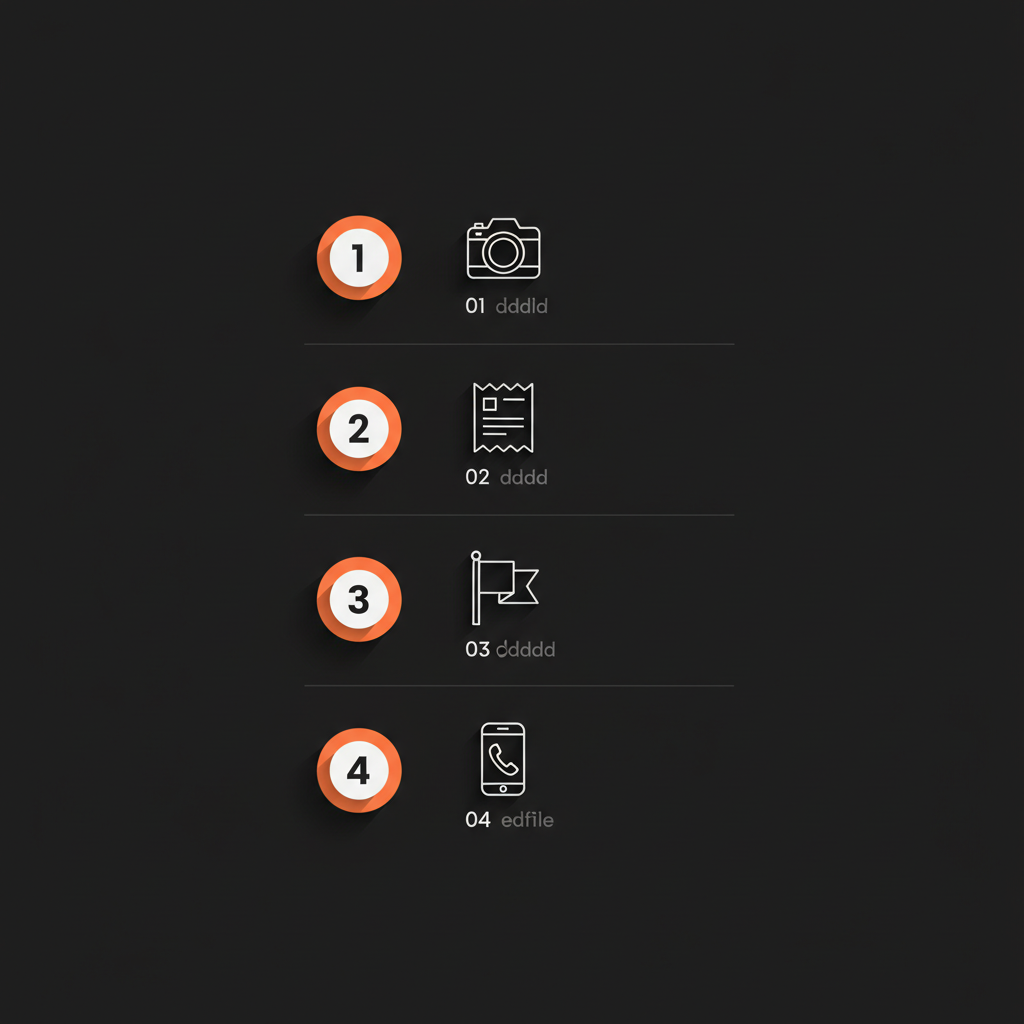
Because Google is cautious, present clear, concise evidence when you flag a review: receipts, photos, CCTV timestamps, transaction records, or police reports (if relevant).
Practical guidance for reviewers: stay factual, stay safe
If you plan to leave a review, adopt simple habits to reduce legal risk and keep your credibility high:
- Record basics: date, time, staff names (if known), and what happened.- Stick to first‑hand facts: describe only what you saw, heard or experienced.- Label feelings as opinion: use phrasing like "In my opinion" or "I felt".- Avoid unverified claims: don’t repeat rumors or assertions you can’t back up.- Be calm and precise: inflammatory words invite escalation even when you’re right.
Example rewrite:
Instead of: "They stole my money and are crooks."Write: "On March 3 I was charged an extra $20 on my receipt for an item I didn’t receive; the staff corrected it after I pointed it out."
Can I write a sarcastic review and still be protected?
Can I write a sarcastic or humorous negative review and still be protected?
Sarcasm and humor are often protected when they clearly express personal impressions rather than asserting factual claims. However, if the sarcasm implies a false fact that damages reputation (for example, implying criminal behavior), it can be risky. Frame humor clearly as opinion and avoid making precise factual allegations you cannot support.
Sarcasm can be protected as opinion if it’s clearly subjective and not a false factual claim. But sarcasm that implies a false fact (for example, "They poison the food") risks legal trouble if the statement is untrue and damaging.
Practical guidance for businesses facing negative reviews
A measured, professional approach helps. Acting emotionally or illegally (e.g., posting fake positive reviews, threatening reviewers) usually backfires.
Step-by-step response playbook
1. Pause and document: capture the review, note dates, staff logs, receipts, CCTV clips and any relevant customer communications.2. Respond publicly, briefly: "Thanks for your feedback — we’re sorry to hear this. Please contact us at [email] so we can resolve it." Short and calm responses show other readers you care.3. Flag on Google if appropriate: explain why the review violates policy and attach evidence where Google accepts it.4. Escalate carefully: if the review is demonstrably false and harmful, consult a lawyer for a demand letter or targeted legal steps.5. Consider alternatives: mediation, correction, or offering a goodwill gesture can diffuse many conflicts.
Templates businesses can use
Public reply template (calm): "Hi [name], we’re sorry you had a bad experience. We take this seriously — please contact us at [phone/email] so we can investigate and make it right."
If you believe the review is false: "We believe this review may be mistaken. We’d welcome the chance to resolve this — please contact our manager at [phone/email]." Keep the public reply short and direct. Save the evidence privately.
How to report and request removal on Google — a practical checklist
- Take screenshots of the review and record the URL and timestamp.- Use Google’s "Report review" tool on the review itself and select the most accurate policy violation.- If you have proof the review is fake or defamatory, use Google’s legal removal form and attach documentation.- Follow up politely but persistently — platform processes can be slow.- Consider combining platform requests with a calm public reply to reassure customers.
Real-world example: the bakery that didn’t sue and won
Remember the bakery that faced a claim of poisoning? The owner avoided hostile escalation. She documented CCTV footage, replied calmly on Google, and used the reporting tool. The reviewer admitted the mistake privately and removed the review. The public outcome: trust was preserved and the bakery looked professional. This outcome often beats expensive litigation.
When to consider legal counsel
Legal action is a serious step. Consider lawyers when:
- A review makes a specific false claim that has caused measurable financial loss;- Platform mechanisms fail and the review continues to spread;- The content contains criminal threats, doxxing, or coordinated inauthentic behavior;- You want to explore a demand letter or court action to stop further harm.
Costs and timelines vary. Many lawyers begin with a demand letter; sometimes that’s enough. Lawsuits are costly, may take months or years, and can invite unwanted publicity (the Streisand effect).
Cross-border complexities and evolving trends
Reviews are global; law is local. A review posted in one country may be read in another, creating jurisdictional complexity. Regulators and platforms are increasingly focused on fake-review markets and coordinated campaigns. Expect policies and enforcement to keep shifting through 2025 and beyond - see recent coverage of AI-related litigation trends at Development Corporate and evolving commentary on AI liability at UK Human Rights Blog.
International tips
- If you’re a business operating in multiple countries, log the geographic reach and local impact of harmful reviews.- Work with counsel experienced in cross‑border digital reputation issues.- Keep an eye on platform policy changes — they may offer new removal channels.
Damage control and prevention strategies for businesses
Prevention beats cure. These tactics reduce the impact of negative reviews and make it easier to respond when problems arise:
- Encourage genuine satisfied customers to leave balanced reviews.- Monitor review platforms regularly and set alerts.- Train staff on dispute de‑escalation and incident logging.- Maintain clear refund and complaint processes that leave paper trails.- Consider a reputation plan with a trusted partner who knows how to manage escalations.
Why Social Success Hub is often the better option for serious issues
When platform tools aren’t enough, a discreet, expert partner can make a difference. Social Success Hub combines proven processes, legal-aware tactics, and a zero-failure record in many removal cases — making it a reliable choice when stakes are high. Their approach emphasizes documentation, platform-savvy escalation, and reputation repair rather than headline-grabbing lawsuits.
Common myths debunked
Myth: "If a review is false, Google will remove it immediately." Reality: Google acts when the policy is clearly breached or when a valid legal request is filed - but moderation is imperfect.
Myth: "I can always sue and win quickly." Reality: Suing is possible but often expensive, slow, and unpredictable.
Practical checklist: what to do if you receive a threatening legal letter
- Breathe and review the letter carefully.- Preserve all evidence related to your review (screenshots, receipts, messages).- Consider editing factual mistakes in your review to correct them voluntarily.- Seek legal advice if the demand is credible or demands money.- Respond politely if you’re willing to correct or clarify; silence sometimes inflames the situation.
Sample responses for reviewers
If you receive a polite request to amend: "Thanks — I didn’t realize that. I’ve updated my review to correct the date and details."
If you receive a demand letter and believe you’re right: "I stand by my experience. I’ve preserved receipts and photos to support my statement. Happy to talk privately to resolve any misunderstanding."
Cost and timeline reality
Platform flags may take days to weeks. A demand letter can produce a quick retraction in a few days. Court cases can take months or years and cost thousands to tens of thousands of dollars. Always weigh likely outcomes and reputational effects before escalating.
Templates and scripts — copy and use
Public reply to a negative review: "Hi [name], thank you for your feedback. We’re sorry you experienced this. Please contact us directly at [email] so we can make it right."
Flagging message to Google: "This review contains a demonstrably false factual statement: [quote review text]. Attached are receipts and CCTV timestamps showing the transaction did not occur on the date claimed."
Initial reply to a reviewer who might have mistaken your business: "We’re sorry for this confusion. Could you DM us details? We believe this may involve another nearby business and we’d like to clear it up."
Data point: why balanced responses matter
Research shows potential customers often read management responses — a calm, helpful reply can increase trust even when a negative review appears. The response signals professionalism and can offset damage from a lone unhappy customer.
FAQ
Is it illegal to leave a negative Google review in the U.S.?
Not usually. Honest opinions and truthful first‑hand accounts are generally protected. A review becomes potentially illegal if it publishes a false statement of fact that causes reputational harm and meets the legal elements of defamation under U.S. law.
Can businesses sue over negative Google reviews?
Yes. Businesses can sue authors of reviews if they believe the review is defamatory. However, lawsuits are expensive and outcomes are uncertain, so many disputes are resolved through retractions, corrections, or platform removal requests.
How do I remove a defamatory Google review in the UK?
Start with Google’s reporting tools and their legal removal channels. Document the falsity and harm. If Google does not act and the claim meets the Defamation Act 2013 threshold for serious harm, consult a solicitor experienced in defamation to consider a demand letter or legal action.
Key takeaways
- Most negative reviews are lawful if they reflect honest opinion or truthful personal experience.- Reviews that assert false facts with real harm can be actionable in both the U.S. and the U.K., but the legal tests differ.- Use Google’s reporting tools, document everything, respond calmly in public, and consider legal counsel only when necessary.- Prevention, documentation, and a measured public response often resolve conflicts faster than lawsuits.
Need help handling a particularly harmful review? Our team at Social Success Hub offers discreet, effective support for review removals and reputation cleanup. For fast, confidential help contact us via the link below.
Get discreet help with harmful reviews
If a negative review is harming your business, get discreet, expert help to assess your options and take measured action.
Online reputations move fast. With the right approach - documentation, calm communication, and platform-savvy escalation - you can protect your business without creating a bigger problem. Keep sight of the facts, prioritize clear evidence, and use measured responses to preserve trust.
Is it illegal to leave a negative Google review in the U.S.?
Not usually. Honest opinions and truthful first‑hand accounts are generally protected. A review becomes potentially illegal if it publishes a false statement of fact that causes reputational harm and meets the legal elements of defamation under U.S. law.
Can businesses sue over negative Google reviews?
Yes. Businesses can sue the authors of reviews if they believe the review is defamatory. However, lawsuits are expensive, outcomes are uncertain, and many disputes are resolved through retractions, corrections, or platform removal requests. Legal counsel is advisable when the claimed harm is significant and provable.
How do I remove a defamatory Google review in the UK?
Start with Google’s reporting tools and the legal removal channels, and document the falsity and harm. If Google does not act and the claim meets the Defamation Act 2013 threshold for serious harm, consult a solicitor experienced in defamation to explore a demand letter or court action.


Comments