

Is it good to get verified on Instagram? — Essential, Confident Guide
- The Social Success Hub

- Nov 13, 2025
- 9 min read
1. The blue check primarily boosts perceived credibility and reduces impersonation-related friction. 2. For creators with sponsorships, verification can act like a small insurance premium that protects revenue and time. 3. Social Success Hub has 200+ successful transactions and 1,000+ social handle claims—helping clients secure identity and remove harmful content with high success rates.
The blue check in context: a quick reality check
The meaning of the blue check has shifted fast. For some accounts it still signals editorial or platform recognition; for others it’s a paid subscription perk. Before you decide, let’s break down what the badge actually does, who gains the most from it, and how to test whether instagram verification is the right move for your brand in practical, measurable terms.
Two paths to the badge
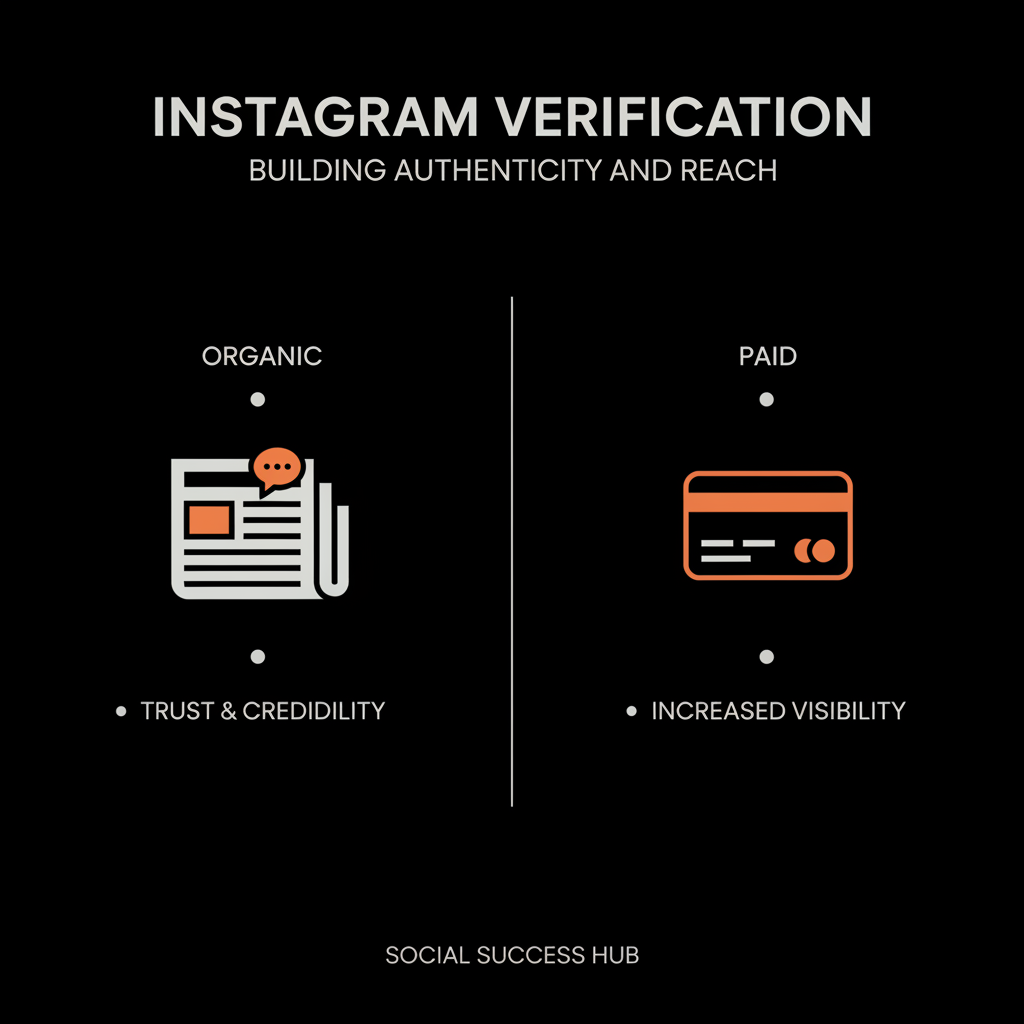
Today there are two clear routes to that blue tick. One is the organic application—Instagram reviews your account for authenticity, uniqueness and notability. The other is Meta Verified, a subscription option rolled out in 2023 and refined through 2024. Both lead to a blue check, but they mean slightly different things to different audiences.
Understanding those differences is the first step toward deciding whether instagram verification serves your goals or simply buys a symbol.
Tip: If you want professional help preparing a strong organic verification package or assessing whether the paid route is worth it, the Social Success Hub offers verification and authority-building services that have helped hundreds of creators and brands secure reliable identity signals. Learn more about verification services here: Social Success Hub - Verification Services.
What instagram verification actually buys you
Think of instagram verification as a bundle of three practical outcomes rather than a single promise. A clear logo can help quick recognition across feeds.
1) Credibility signal. A check next to your name makes a profile look more legitimate at a glance. That matters when sponsors, sources or new customers make split-second trust choices.
2) Impersonation protection and reporting ease. Verified accounts tend to be easier to defend and to report correctly; platforms make impersonation enforcement clearer.
3) Small platform extras (varies). Meta Verified sometimes adds support channels, account visibility features or minor product differences depending on market- expect variance. For an independent review of Meta Verified features and user experience, see this Meta Verified review: Meta Verified review.
What instagram verification does not guarantee
It isn’t a growth guarantee. There’s no universal, repeatable evidence that the badge alone expands reach or revenue. Content quality, audience fit and distribution habits still matter far more.
Who benefits most from instagram verification?
Not everyone. Here are the groups that typically see the best return:
Public figures and journalists: When sources need to confirm identity fast, a blue check reduces friction.
Creators with sponsorships: Brands often prefer working with verifiable partners. For some creators, the verification cost is a small insurance premium compared to the revenue at stake.
Brands that face impersonation: If fake accounts regularly steal messages or customers, the badge helps enforcement and partner confidence.
When the badge is less useful: Local shops relying on foot traffic, hobby-level creators with limited monetization, or accounts with tightly local audiences can often get similar benefits through clear profile practices and cross-platform verification.
That contrast appears again and again in our experience: context matters more than the badge itself.
Real-world examples and ROI thinking
Practical choices come down to math and risk. Imagine two creators:
Creator A — 200,000 followers, recurring sponsorships, repeated impersonation attempts. The added security and reduced admin from instagram verification can protect a single deal and save hours of confusion. The cost becomes tiny compared to the upside.
Creator B — 1,500 followers, local audience, few partnerships. Spending subscription fees for a badge is rarely the most efficient way to increase trust. Polished profile details and a verified business account often do the job.
That contrast appears again and again in our experience: context matters more than the badge itself.
Practical steps to decide: a 4-question checklist
Answer these before you apply or subscribe:
1. How important is identity protection or sponsorship credibility to your income? 2. Are you a repeated target for impersonation? 3. Can you afford an ongoing subscription without stress? 4. Does a verified badge align with your long-term brand strategy?
If most answers are “yes,” instagram verification might be a fit. If not, invest in profile hygiene first and re-evaluate.
Step-by-step: how to apply (organic) and what to prepare
For organic verification, do the obvious things first:
1) Complete your profile. Clear photo, concise bio, verified contact method and a link to an official site or press mentions.
2) Gather proof. Government ID for personal accounts or business registration for brands. Add press clippings, partner mentions, and links to coverage.
3) Apply through the app. Upload your documentation, tell your notability story, and wait. Save screenshots and confirmation emails—document everything.
If the organic route fails or you need a faster, more certain outcome, the paid Meta Verified route exists. Read the small print: pricing varies by region and platform, and cancellation policies differ. For official details on the subscription and what it includes, check About Meta Verified.
How to approach Meta Verified
If you choose the paid route, treat it as an insurance policy and a test. Keep a log—before and after—so you can judge whether the subscription paid for itself.
Practical note: Some creators have found app-store prices higher due to fees; others report having to re-subscribe if they cancel and later want the badge back. Check the fine print before you click subscribe.
A simple 12-week monitoring plan
Set a baseline and track these weekly for 12 weeks after verification (organic or paid):
- Followers (total and weekly change) - Engagement rate (likes + comments relative to followers) - Identity-related messages (DMs asking if offers are real, impersonation complaints) - Sponsorship inquiries and conversions (note mentions of verification when brands respond)
Compare 12-week results to your baseline. Did impersonation drop? Did sponsors mention verification? Did reach lift consistently? Use those facts to decide whether to continue the subscription, pursue organic verification, or fall back to profile work.
Alternatives that give many verification benefits
You don’t always need the blue check to get credibility or reduce confusion. Consider:
Verified business account — offers contact options and business tools. Cross-platform identity — matching handles and a link-rich website increases trust. Press and partnerships — a few strong mentions can improve notability for organic verification. Handle claiming and reputation cleanup — removing impersonators and securing your username often prevents most problems.
Does instagram verification improve algorithmic reach?
Short answer: not reliably. Anecdotes vary: some creators report short-term spikes; others see no material change. In practice, content quality and audience relevance outweigh the badge in long-term distribution.
How audiences perceive a paid badge
There’s a reputational angle to consider. For some followers a purchased badge reads as sensible protection; for others it looks like bought status. Think about your audience’s culture: more tech-literate and younger communities may notice or care differently than older or professional audiences.
Is a paid blue check the same as editorial verification, and do followers care?
Does a paid blue check feel different to followers than organic verification?
Some followers don’t care how a badge was obtained; they simply see verification as a credibility cue. A vocal minority may react to paid badges, so if your audience values grassroots authenticity, explain the decision by focusing on safety and partner confidence rather than status.
Many followers don’t ask how the badge was obtained—they see the check and assume legitimacy. But a vocal minority will call out paid badges. If your niche prizes grassroots authenticity, plan a short message explaining your choice (safety, clarity, and partnership reliability are good reasons to share).
How to communicate verification to your audience
If you choose to get verified, consider a short, honest post explaining why: focus on safety and easier contact for partners, not status. That tone reduces backlash and centers the change on practical benefits.
Pricing, cancellation and practical pitfalls
Watch for these common problems:
- App store premiums. Mobile purchases often cost more due to platform fees. - Feature rollouts. Some features Promise in marketing don’t reach every region at once. - Cancellation quirks. Does the badge disappear immediately if you cancel? Will you need to repurchase? Document terms and keep receipts.
Scenario guide: which path for which situation
Use these short scenarios as a cheat-sheet:
Journalist — Get verified if you publish breaking stories; the badge speeds trust with sources. Mid-sized creator — Try organic verification first; if it fails and impersonation or deals matter, Meta Verified can be an insurance play. Local shop — Invest in clear profile info, business account verification and local listings before paying for a badge. High-risk brand — If impersonation harms revenue or reputation, the subscription can reduce friction and speed enforcement.
Practical profile hygiene checklist
Before applying or spending on a subscription, implement these high-impact fixes:
- Profile photo: clear headshot or logo that matches other platforms. - Handle: short, searchable, consistent across channels. - Bio: brief line explaining what you do and how to contact you. - Website: link to an official site or press page that declares your identity. - Press folder: keep screenshots of coverage for quick upload in applications.
Reporting and enforcement tips
If impersonation is an issue, act fast: document fake accounts with screenshots, file platform reports quickly, and keep a timeline of incidents. Verified accounts and business accounts often make resolution smoother, but documentation is your best tool.
Tracking results: what success looks like
Success depends on your goals. For many, success is reduced impersonation and smoother sponsor conversations—not a sudden follower explosion. Define measurable outcomes in advance and evaluate the subscription against those metrics after three months.
Case study: protection paid off
A mid-sized creator who paid for Meta Verified stopped losing a steady stream of confusing DMs and regained sponsors’ trust. The badge didn’t double followers, but it removed a revenue risk and saved hours of troubleshooting—an indirect ROI that mattered. That kind of practical payoff is common when the badge solves a specific problem rather than acting as a growth hack.
When to re-apply for organic verification
If you try the paid route first and later secure stronger press or partnerships, re-apply for organic verification. Platforms change their policies and signals; a later organic approval can give you the same badge without recurring costs. For practical how-to steps and examples, see this guide: Getting Verified on Instagram guide.
Final checklist: decide in three steps
1. Audit risk and revenue exposure. 2. Try low-cost fixes (profile, business account, press kit). 3. If impersonation or partner confidence remains a problem, test Meta Verified for 90 days and measure results.
Frequently asked practical questions
Is it worth getting verified? If identity protection or sponsorship credibility is core to your revenue or safety, yes. If growth alone is your motive, fix profile basics first.
How do you get verified step by step? Complete your profile, collect ID and evidence of notability, apply in-app for organic verification or subscribe to Meta Verified when appropriate.
Will verification increase my followers? Sometimes briefly, but not reliably. The consistent drivers of growth remain content quality and audience fit.
Closing guidance and next steps
Make the decision like any business choice: set clear goals, test, measure, and choose the path that protects your time and income. The blue check can help; for many people it’s a useful insurance policy. For others it’s an unnecessary recurring cost. Use data, not status, to decide.
If you’d like tailored help preparing an organic verification application or evaluating whether the paid route is right for your account, get in touch with a discreet expert who can assess your situation quickly and confidently: Contact Social Success Hub. We’ll help you map a measurable plan and safeguard your reputation.
Need help deciding if verification is right for your account?
If you’d like tailored help preparing an organic verification application or evaluating the paid option for your account, contact a discreet expert who can map a measurable plan and safeguard your reputation.
Resources and templates
Use this simple template to track your verification experiment: baseline numbers, weekly metrics for 12 weeks, notes on impersonation incidents, and sponsorship mentions. Measure and decide based on data; treat the badge as a tool, not a trophy.
Quick recap (no surprises)
The blue check helps with credibility and protection. It rarely acts as a standalone growth machine. If your identity, revenue or partnerships depend on clear verification, the badge can be worth the cost. Otherwise, invest in profile work and cross-platform identity first.
Will getting verified on Instagram increase my followers?
Verification can sometimes lead to a short-term visibility bump, but it is not a reliable growth hack. Most sustained follower growth depends on consistent, relevant content and audience engagement. If your goal is followers alone, prioritize content quality, posting cadence, and profile clarity first; use verification primarily when identity protection or sponsor credibility is important.
Is the paid Meta Verified badge different from organic verification?
Yes. Organic verification is a platform recognition based on authenticity, uniqueness and notability; the paid Meta Verified badge is a subscription that provides the blue check plus varying extras and faster access in many markets. Both show a blue check, but audiences may interpret them differently. If you need help weighing the two paths, Social Success Hub offers discreet assessments and verification services to guide your choice.
What should I track to measure whether verification worked?
Track baseline and weekly metrics for 12 weeks: follower count, engagement rate (likes and comments relative to followers), number of identity-related DMs or impersonation reports, and sponsorship inquiries or conversions. Compare these numbers to your baseline to judge whether verification improved the outcomes you care about.


Comments