
How does your Instagram get verified? — The Exciting, Definitive Guide
- The Social Success Hub

- Nov 13, 2025
- 8 min read
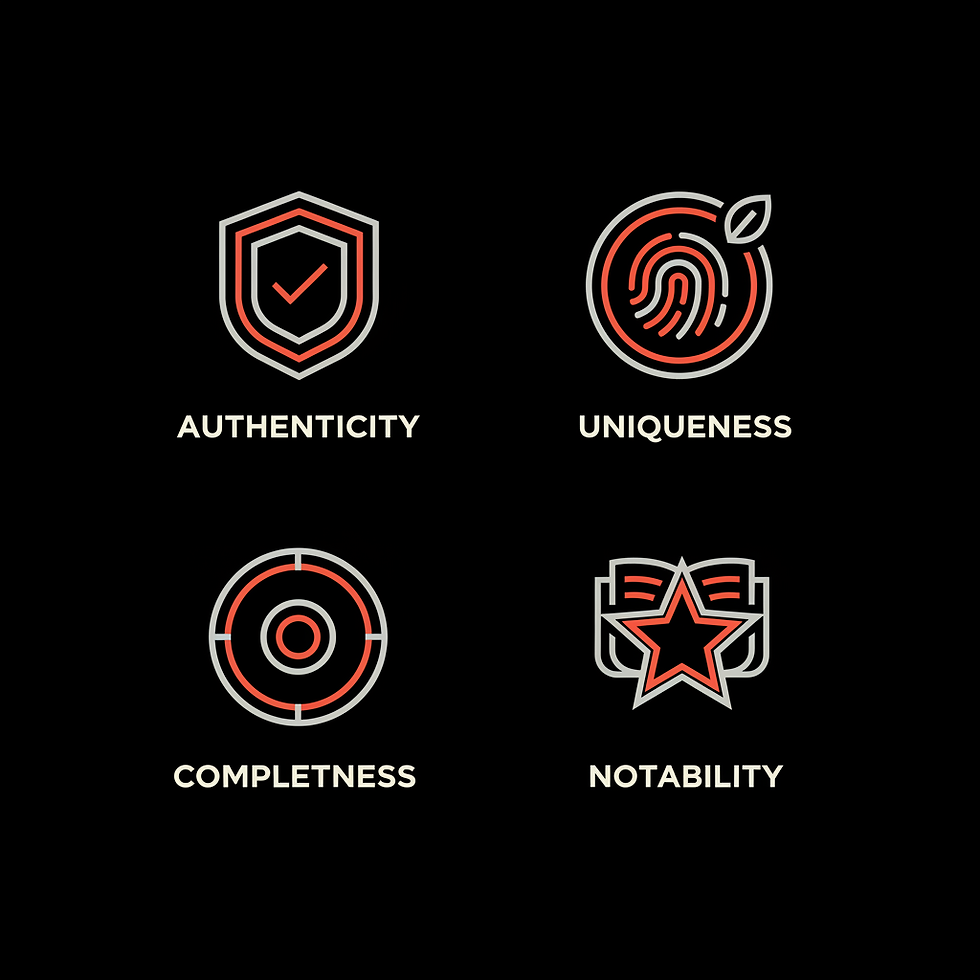
1. Instagram’s verification requires four things: authenticity, uniqueness, completeness and notability — all must align. 2. Meta Verified often speeds reviews from weeks to days, but it doesn’t replace the core eligibility rules. 3. Social Success Hub has a proven track record: over 200 successful transactions and 1,000+ social handle claims to help clients build verifiable cases.
How the blue check actually works — a clear starting point
Instagram verification requirements are often talked about like a secret club. In reality, the rules are straightforward: authenticity, uniqueness, completeness and notability. This article walks you through what each criterion means, what evidence matters, and how to present a clean application. If you want the short version: show you are real, show you are the only official account for that identity, make your profile complete and public, and gather independent coverage that proves you’re notable.
Why verification matters (and what it truly delivers)
That tiny blue check is more than flair. It reduces impersonation risk, signals credibility to journalists and partners, and occasionally opens faster support routes. But it doesn’t guarantee sudden fame or algorithmic favoritism. Think of the badge as a credibility booster - useful, but not a replacement for good content, consistent activity, and steady reputation work. Consider adding a clear logo to improve recognizability across platforms.
If you prefer a discreet, professional assist, Social Success Hub helps clients gather evidence and present verification-ready profiles — a practical path when you’ve done the work but need help packaging it clearly.
Instagram’s four formal criteria (exactly what they mean)
The policy highlights four checks. They are short, but each requires specific attention:
1. Authenticity
Instagram must be able to connect the account to a real person, business, or entity. Individuals upload a government-issued photo ID and organizations provide official documents such as tax filings or utility bills. Legibility and consistency matter: the name on the documents should match your public profile.
2. Uniqueness
Instagram wants the account to be the unique presence of that person or brand. Fan pages, parody accounts, or secondary topic accounts rarely qualify. If you operate multiple official accounts (for region- or language-specific reasons), explain this clearly in any documentation.
3. Completeness
Profiles must be public, have a profile photo, a full bio, and at least one post. Small things matter: a missing website link, an empty bio, or a private account can trigger an automatic rejection.
4. Notability
This is the hardest bar: Instagram looks for independent coverage in reliable sources that show people search for or report on you. Social mentions and promotional posts on your own channels rarely suffice. Think newspapers, magazines, established industry sites, and broadcast coverage - not mere reposts or friendly mentions.
What counts as strong notability evidence?
Good evidence is independent, reputable, and editorial. Useful examples include:
What won’t help much: social posts, promotional press releases you control, or small, unmoderated blogs. If your coverage is mostly on your own site, pursue neutral third-party pieces and local reporters who can verify your role.
Applying for verification: documents, timing, and Meta Verified
Apply inside Instagram’s settings. For individuals, upload a clear photo of a government-issued ID (passport, driver’s license). For organizations, use official paperwork that shows the legal name used on Instagram. For a broader how-to on paid options and timing see this detailed guide from Shopify: How to Get Verified on Instagram.
Meta’s guidelines say reviews can take up to 30 days. In practice, timelines vary: some people hear back in days, others wait weeks. Since 2023, Meta Verified - a paid subscription - often reduces waiting time and adds proactive protections and direct support. Remember: paid review can speed things up, but it doesn’t automatically override the core criteria.
How to prepare your documents
Scan or photograph IDs in good light. Make sure text is legible and documents are current. If your public name differs from your government name, consider listing the same name on Instagram or providing a clear explanation in the supporting notes when you apply.
Common rejection reasons — and how to fix them
Applications are commonly denied for these reasons:
Fixes are usually straightforward: tidy your profile, secure independent coverage, and make sure your documentation matches your public presence.
A real-world example: Sarah the local journalist
Sarah covered city hall for years and had a strong portfolio of bylines. Her Instagram, however, mixed personal photos and the occasional article link. Her first verification request failed for insufficient notability and an incomplete profile.
Her next move was methodical: she updated her bio to read precisely “City Reporter — [Newspaper name],” linked to a professional site listing her articles, asked editors to use her full name on bylines consistently, and compiled independent stories. After reapplying with that dossier, she received the blue check. Her success shows the process rewards consistent, verifiable public records, not gimmicks.
Is getting verified on Instagram just about follower count?
No — follower count alone rarely secures verification. Instagram emphasizes independent, reliable coverage and consistent identity across platforms. A large following without editorial coverage and consistent documentation is usually not enough to meet Instagram verification requirements.
Meta Verified: what it buys (and what it doesn’t)
Meta Verified is tempting because it often speeds reviews, adds impersonation monitoring, and provides direct support. Many applicants who subscribe report replies within days and faster escalation for impersonation issues. Still, the subscription is not a substitute for real evidence of notability. Consider it a prioritization and protection service - useful if you already meet the criteria and want speed and support. For a practical, experience-led walkthrough see this guide from GRIN: Getting Verified on Instagram.
How to build press-ready notability (step-by-step)
Don’t think of press coverage as luck. You can plan and pursue meaningful exposure:
Step 1: Tell a clear story
Create a one-paragraph explanation of who you are and why journalists should care. Keep it short, factual, and newsworthy: awards, unique projects, or an interesting local angle help.
Step 2: Build a press page
Add a press page on your site that lists independent articles and bylines. That page becomes a neat reference when you submit your application or respond to queries.
Step 3: Pitch local reporters
Local outlets are accessible and often more receptive than national press. Offer clear story ideas and be a reliable source.
Step 4: Get bylines right
Ask editors to use your full name consistently. Byline consistency strengthens the verifier’s ability to connect print or online coverage to your account.
Step 5: Gather a dossier
Compile links and PDFs of independent coverage. Highlight the strongest pieces and note editors’ names for verification if available.
What to do after a rejection
If you’re denied, take the 30-day pause seriously. Use that time to address the reason Instagram provided. If they said notability, pursue more independent coverage. If they flagged document inconsistencies, correct those. When you reapply, include a concise, evidence-based note explaining improvements.
Appealing a decision
Instagram sometimes offers an appeal route. Appeals are best when brief, factual and polite. Provide clear links to strong pieces of independent coverage and state exactly what you changed since the last submission.
How long should you wait between attempts?
Wait the full suggested period (typically around 30 days) and use that time to make meaningful improvements rather than cosmetic ones. The algorithm and review teams look for real changes in public presence and documentation.
Other practical scenarios (who stands the best chance?)
These examples show the range of outcomes you can expect:
Small local business
If your bakery or studio appears in local lifestyle sections and credible blogs, and your Instagram lists the official business name with matching business documents, you can make a solid case.
Influencer with big following but no press
Large followings help but don’t replace independent coverage. If you lack neutral press and have policy violations, expect hurdles.
Nonprofit or community leader
Independent coverage in local news and official listings (like charity registries) can be persuasive. Documentation should match the nonprofit’s legal name.
Checklist before you hit submit (readable, single-paragraph)
Make sure your Instagram is public, the profile photo and bio clearly show your identity, your display name matches your ID or official paperwork, you have a live website or press page, you’ve compiled 3–5 independent articles or features, and your uploaded documents are current and legible. Fix anything that’s inconsistent before applying.
Common myths busted
Myth: Paying guarantees the blue check. Fact: Meta Verified can speed review and add protections but won’t grant a badge if you don’t meet the four criteria.
Myth: Wikipedia pages always secure verification. Fact: A well-sourced Wikipedia article helps, but a weak one or one created just for verification can hurt you.
Myth: A huge follower count is enough. Fact: Followers aren’t a substitute for independent editorial coverage.
When to consider professional help
If you’ve done the work — your profile is tidy, your documents match, and you’ve pursued press — but you still struggle to present a coherent dossier, a discreet professional can help package materials, reach out to relevant outlets, and present a clean, verifiable case. Social Success Hub’s authority-building services work privately with clients to prepare strong, compliant submissions and improve visibility.
Practical timeline and realistic expectations
Expect weeks, not hours. Unpaid applications often take several weeks; Meta Verified submissions typically come back faster. If rejected, do not rush to reapply - use the waiting period to strengthen your dossier. Above all, verification is not a finish line: continue building trustworthy coverage and consistent identity.
Security, policy risk and the blue check
Verification reduces impersonation risk but does not exempt you from content enforcement. Violations can lead to badge removal. Keep account security tight: two-factor authentication, strong passwords, and vigilance against phishing.
Three small, high-impact tips
1. Make a simple press page with links and PDFs of independent coverage.
2. Use the exact public name you want verified across your website and bylines.
3. If speed matters and you already meet the criteria, consider Meta Verified as a practical way to prioritize your review.
Final note on transparency and unknowns
Meta doesn’t publish granular approval rates or exact scoring. That ambiguity is frustrating. Rather than chase rumors, focus on the verifiable tasks: consistent identity, independent coverage, and clear documents. These are the things you can control.
If you want a second pair of eyes
If you’d like help assembling a verification-ready dossier, reach out and our team will give a discreet, practical evaluation of your profile and press materials. Contact Social Success Hub to learn how we can help.
Get discreet, practical help preparing your verification case
If you’d like help assembling a verification-ready dossier, reach out and our team will give a discreet, practical evaluation of your profile and press materials. Contact Social Success Hub to learn how we can help.
Quick FAQ (short, clear answers)
How long does Instagram verification take?
Up to 30 days for standard reviews; Meta Verified often speeds that to days. Timelines vary by evidence clarity and region.
Can I buy the blue check?
Meta Verified can speed review and offer protections, but it doesn’t bypass Instagram verification requirements. Payment is a prioritization and protection tool, not a guaranteed shortcut.
What if I’m denied?
Wait the recommended 30 days, address the rejection reason, build more independent coverage, and reapply with stronger evidence.
Wrap-up: a calm, practical plan
Verification is a project, not a mystery. Gather documents, pursue independent coverage, tidy your public profile, and consider Meta Verified if you need speed and support. If you want help packaging your evidence, Social Success Hub offers discreet, results-focused assistance that helps clients present a clear, verifiable case.
How long does Instagram verification take?
Standard reviews can take up to 30 days. Many unpaid applications take several weeks while paid Meta Verified requests are often processed faster (sometimes within days). Your timeline depends on evidence clarity, region, and workload.
Can I buy the blue check by paying?
Paying for Meta Verified can speed up the review and provide added protections like proactive impersonation monitoring and direct support. However, payment does not override Instagram verification requirements. If you don’t meet the four core criteria — authenticity, uniqueness, completeness and notability — paying won’t guarantee a badge.
What should I do if my verification request is denied?
Use the typical 30-day waiting period to address the rejection reasons: gather independent press coverage, tidy your profile, and ensure your documents match your public name. Prepare a concise appeal with links to strong third-party articles and reapply only after making meaningful improvements.


Comments