

Does Instagram charge for a blue tick? — Shocking Truth Revealed
- The Social Success Hub

- Nov 16, 2025
- 10 min read
1. The official eligibility-based verification review through Instagram’s Help Center is free — there is no official instagram verification fee for that process. 2. Meta Verified is a paid subscription that included an immediately assigned verified badge after ID checks and prioritized support (example U.S. costs in 2024 were around $11.99–$14.99 per month). 3. Social Success Hub has completed 1,000+ handle claims and over 200 successful transactions — a proven track record to help prepare verification dossiers and manage impersonation incidents.
Does Instagram charge for a blue tick? — Shocking Truth Revealed
The small blue check still carries weight. For many creators, journalists, small businesses and brands the badge reduces impersonation headaches and helps open direct lines to platform support. But the question that keeps showing up—and one that affects budgeting and security plans—is clear and practical: is there an instagram verification fee to get that blue tick?
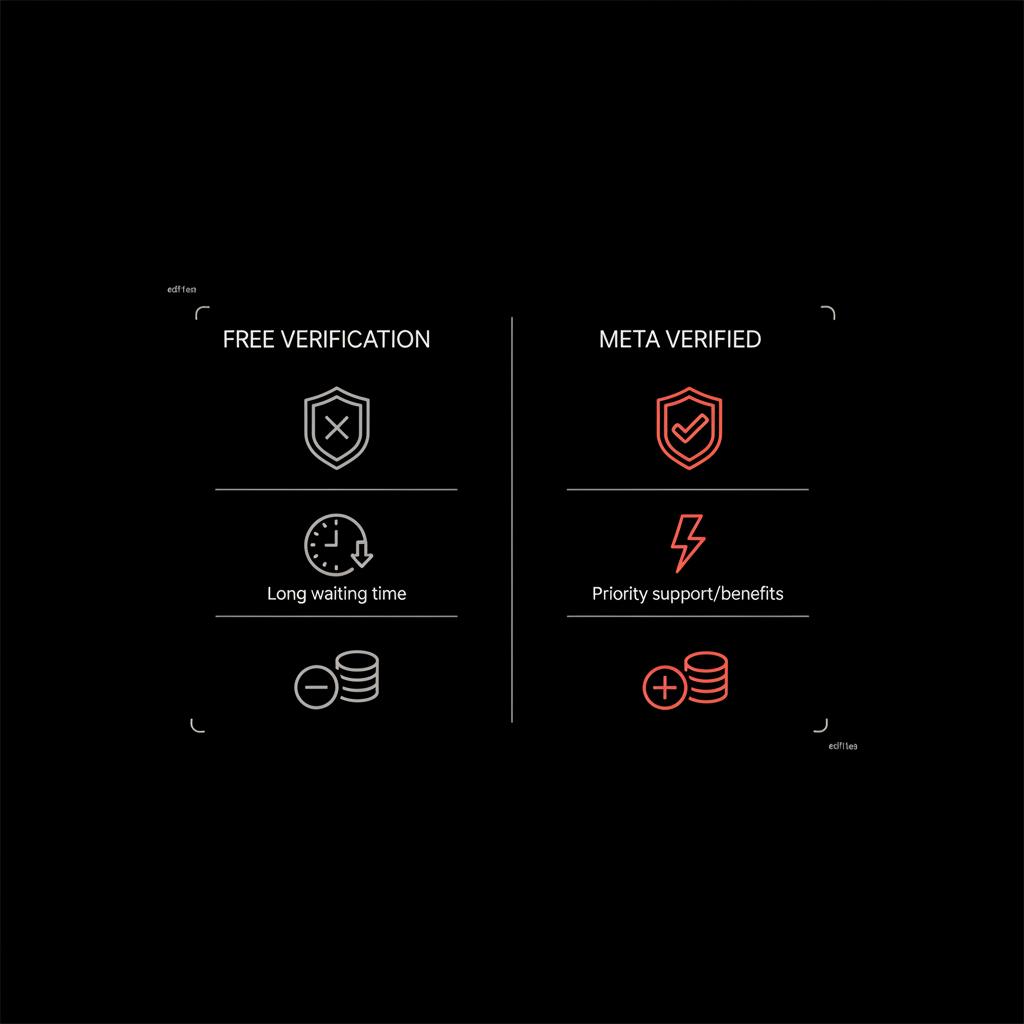
Short answer up front: the traditional, eligibility-based verification review through Instagram’s Help Center is free. Separately, Meta offers a paid subscription called Meta Verified that includes a verified mark and extra services. That means there are two real paths to a blue tick: one free and one paid - and each comes with trade-offs. Knowing which to use depends on your needs, your tolerance for ongoing costs, and your risk profile.

Why the blue tick still matters
That tiny icon is more than decoration. It signals to followers and partners that the platform has completed an identity check. For people who rely on trust—journalists, musicians, creators, small-business owners—verification can mean fewer impersonators, faster responses from support, and clearer communication with an audience. But a badge is a tool, not a cure-all: content, responsiveness, and solid public evidence of your profile’s legitimacy matter just as much.
If you want tactical help preparing a crisp verification dossier or handling impersonation incidents, a pragmatic step is to reach out to a trusted specialist. Social Success Hub offers discreet, expert guidance for preparing evidence and navigating the verification process — you can get started by contacting the team here.
Two paths to a blue check: free review vs paid subscription
There are now two distinct ways people commonly try to get verified on Instagram. The first is a longstanding, official, non-paid review handled via Profile > Settings > Account > Request Verification or the Help Center form. The second is a subscription product, Meta Verified, which bundles immediate identity confirmation with a verified mark and extras like prioritized support and impersonation monitoring.
Need expert help preparing a verification submission or responding to impersonation? Reach out to the Social Success Hub team for discreet, practical support to prepare documentation and handle platform escalations: contact the team here.
Get expert help preparing your verification and protecting your brand
Need hands-on help preparing a verification submission or handling impersonation? Contact the Social Success Hub team for discreet, practical support to prepare your dossier and escalate to platform support: https://www.thesocialsuccesshub.com/contact-us
The free review: how it works and what to include
The no-cost verification route asks for basic identity documents and supporting evidence of notability. For individuals, that usually means a government-issued ID; for businesses, it’s official paperwork. Notability is demonstrated with mainstream coverage, awards, public appearances, or other clear references. The key is to present verifiable facts succinctly.
Keep your profile photo and bio clear and up to date; small readability improvements help reviewers quickly assess authenticity.

Meta Verified: the paid route
Launched in 2023 and expanded through 2024, Meta Verified is a subscription that includes identity verification, an immediately assigned verified mark after ID checks, and extra protections and support features. Pricing has varied by location and platform: in the United States Meta has listed approximate prices like USD $11.99 per month via web purchase and USD $14.99 per month for in-app purchases, though those numbers change and may differ by country.
What exactly does Meta Verified do (and not do)?
Meta Verified grants a verified mark after the subscriber completes an ID verification - yet it is a different process from the organic verification review platforms use to judge notability. In other words, subscribing can give you a verified badge faster, but it doesn’t mean you will automatically pass an eligibility-based review for organic verification criteria elsewhere. Think of Meta Verified as a membership that includes identity verification and extra support rather than a complete replacement for reputation built through public coverage and achievements.
Common scams tied to verification—and how they work
Where there’s a benefit, scammers appear. Offers that promise a guaranteed badge in exchange for money are common and dangerous. Typical scams include third-party vendors who demand upfront payments for “verification services,” phishing attempts that mimic official pages to steal login credentials or 2FA codes, and “middleman” sellers who promise insider access. All of these should be treated as red flags.
Practical steps to avoid scams
Stop, breathe, and verify the source. Don’t click links from unknown DMs or emails claiming to be Instagram Support. Confirm the sender’s email addresses and URLs; use the in-app Help Center for account requests. Never share passwords, 2FA codes, or session tokens. If someone claims to have an “insider” who can secure a badge, treat it as a scam and report them immediately.
How to request the free verified badge — step by step
1) Update your profile: make your bio clear and include links to your official website or press kit if relevant. 2) Go to Profile > Settings > Account > Request Verification. 3) Prepare required documents: government ID for individuals; business registration or tax ID for organizations. 4) Assemble evidence: links to articles, screenshots, and other proof of notability. 5) Write a short, factual explanation for the form — mention outlets, dates, and specific impersonation incidents if any. 6) Submit and keep a record of your submission date and any ticket numbers.
What to write in the verification form
A concise, factual paragraph works best. Avoid flowery language and stick to verifiable facts: who you are, what you do, where you’ve been covered, and why your account is the official one. For example: “I am Jane Doe, an author and journalist with bylines in The City Times and Global Arts Magazine. My official website is janedoe.com. Multiple accounts are impersonating me; attached are links and screenshots.” That kind of clarity helps reviewers and reduces back-and-forth.
When to consider Meta Verified
If impersonation is actively harming revenue, partnerships, or legal standing, the subscription’s prioritized support and proactive impersonation monitoring can be worth the monthly price. If your need is mainly reputation-building, weigh whether press kits, formal coverage, and organic verification through the free route will deliver better long-term returns than a recurring charge.
How agencies should advise clients
For high-profile clients or brands with multiple accounts, the recommended approach is conservative and evidence-driven. First, assess if the account meets the free-review criteria. If so, prepare a robust submission with all supporting media and IDs. If impersonation is active and causing damage, evaluate Meta Verified as a defensive tool - not a branding shortcut.
Sample scenarios agencies can use
If a journalist is being impersonated, include the fake account URLs and timestamps in the verification dossier. If a brand has counterfeit sellers creating accounts, attach trademark registrations and product pages. If an influencer faces impersonators, combine the application with a public warning and clear reporting instructions for followers.
Keep a separate secure log of who has credentials to your accounts and update it regularly; this small administrative habit prevents many accidental compromises.
Regulatory risks and why they matter
Digital policy is rapidly evolving. Lawmakers and regulators in regions like the European Union are scrutinizing platform features—including paid verification—under frameworks such as the Digital Services Act. Potential policy changes could require clearer labels for paid verification, disclosure rules or limitations on how paid tiers influence visibility and trust. That means the look and legal status of verification badges could shift over time.
Practical account security steps
Whether you pursue the free review or a subscription, strengthen core account security: enable two-factor authentication, use a password manager, review logged-in sessions and revoke unrecognized devices, and enable login alerts. For businesses, restrict admin access, use role-based permissions where available, and keep a secure internal log of who has account credentials.
Handling a compromised account
If you’ve already shared login info or a 2FA code with a scammer, act fast. Change passwords immediately, revoke sessions you don’t recognize, and contact Instagram through the official Help Center. If identity documents were shared on unofficial channels, consider adding fraud alerts with relevant national agencies and monitor credit or identity services as appropriate.
How to report scams and suspicious offers
Report suspicious DMs and accounts within Instagram by using the reporting tools on the profile or message. Use the Help Center to escalate and include documentation: screenshots, message timestamps, and any payment receipts if you unfortunately paid a scammer. Reporting helps platforms disrupt these schemes and protects other users.
Cost comparison: free review vs Meta Verified
The free verification route costs nothing but requires evidence and patience; decisions can take weeks and approval is not guaranteed. Meta Verified requires an ongoing subscription (example prices around USD $11.99–$14.99 in the U.S. depending on purchase method in 2024) and provides a badge after ID verification plus extras like proactive impersonation protections and prioritized support. Evaluate value in terms of time saved, direct support access, and the cost of potential interruptions to business.
How to prepare a verification dossier (checklist)
- High-quality color scan of your government ID (or business documents).- Links to reputable media coverage that names you or your brand.- Screenshots and URLs of impersonator accounts, if any.- A concise explanation of why your account is the official one (dates and outlets).- Evidence of trademarks, business registration, or public appearances when applicable.- Maintain a log of submission dates and any platform ticket numbers.
Real-world examples and outcomes
A freelance photographer who discovered two fake accounts using his images prepared a careful dossier, included press clippings, and followed the Help Center process. After persistent follow-ups, Instagram confirmed his identity and the impostors were easier to remove. That outcome shows the free review remains effective when applications are well-documented and persistent.
When Meta Verified is the right defensive tool
If impersonation is actively damaging revenue or legal standing, Meta Verified’s prioritized support can speed up takedowns and recovery. For agencies managing multiple accounts, that time savings may justify the recurring subscription. But treat it as one element in a broader reputation strategy: press outreach, legal avenues, and strong security practices are still essential.
What to do if someone offers to sell a verification
Immediately treat it as a scam. Don’t click links, don’t share passwords, and don’t send money. Report the offer to Instagram and document the interaction. If money has been paid, gather receipts and contact legal counsel or platform support to record the incident and pursue recovery options.
Perception: how audiences read a badge
Some audiences assume a blue tick equals journalistic or institutional authority; others notice a “paid badge” label and interpret it differently. Platforms are experimenting with clearer labeling to distinguish paid and organic verification. For many partners and press outlets, a badge will be one proof among others: press kits, formal bios, and verifiable accomplishments still matter more.
Monitoring changes into 2025
Platforms and regulators will continue to evolve rules and labels. Keep records of decisions, subscription receipts, and communications with support. For teams that manage clients, set calendar reminders to review verification status and policy updates periodically. That proactive posture keeps you ahead of surprises.
Practical closing checklist
- Decide whether you need immediate ID confirmation (Meta Verified) or can apply via the free review.- Prepare a dossier with ID, press links, and screenshots of impersonation.- Avoid third-party pay-to-verify vendors and phishing links.- Strengthen account security and document all platform communications.- If you need help preparing materials, consider professional guidance to expedite a clean submission.
Is paying for Meta Verified the same as buying credibility?
Is paying for Meta Verified the same as buying credibility?
Paying for Meta Verified gives fast identity confirmation and prioritized support — useful for security — but it doesn't replace reputation built through press, contracts, and public accomplishments. Use the subscription as a protective layer, not a credibility shortcut.
Short answer: Not exactly. Paying for Meta Verified gives you an identity confirmation and prioritized support, which is useful for security and immediate impersonation response. But credibility with press, sponsors, and customers often needs more tangible proof like press kits, contracts, and sustained public-facing activity. The subscription is a useful layer of protection, not a replacement for reputation-building.
Final thoughts
The route to a verified badge now includes a free, eligibility-based review and a paid Meta Verified subscription. The free route is cost-free but can take time and requires solid evidence of notability. The paid route offers a quicker badge and prioritized support at a recurring cost. In most cases, avoid paying third parties who promise guaranteed verification - those offers are scams. Think of verification as a tactical tool: used correctly it reduces impersonation risks and improves access to support, but it is not a substitute for consistent reputation work.
Verification decisions are practical choices not magic shortcuts. Document everything, choose the path that matches your needs, and don’t let the promise of a blue tick lead you into risky shortcuts.
Is there an instagram verification fee to get the blue tick?
The traditional verification review through Instagram’s Help Center is free. Separately, Meta offers a paid subscription called Meta Verified that includes identity verification and an immediately assigned verified badge — that membership carries a monthly cost. Beware of third parties who charge fees promising guaranteed verification; platforms advise not to pay for verification from unofficial vendors.
How do I get verified on Instagram without paying?
To request free verification, open your profile, go to Settings > Account > Request Verification, or use the Help Center form on desktop. Prepare a clear dossier with a government-issued ID (or business documents), links to reputable media coverage, and screenshots of impersonators if relevant. Submit a concise, factual explanation and keep records of submission dates and any ticket numbers.
When should I consider Meta Verified instead of the free route?
Consider Meta Verified if impersonation is actively harming revenue, partnerships, or legal standing and you need prioritized support and faster responses. Meta Verified provides identity confirmation and proactive protections for a recurring fee; it can be a useful defensive measure when immediate action is required but should be used as part of a broader reputation strategy.
The verification path now includes a free eligibility-based review and a paid Meta Verified subscription — choose the route that matches your needs, document everything, and avoid paying shady middlemen; the blue tick helps, but it isn’t a substitute for a solid reputation. Goodbye, and keep your online identity safe and smart!
References:
https://www.meta.com/meta-verified/?srsltid=AfmBOorCaauueqMZ1n-iTfxtLvuYGF4nRDA_ab8wtvhXEx60XbSZ3re-
https://www.thesocialsuccesshub.com/services/authority-building/verification
https://www.thesocialsuccesshub.com/services/account-services
https://www.thesocialsuccesshub.com/services/account-services/pre-verified-accounts
https://www.thesocialsuccesshub.com/services/account-services/tailored-accounts
https://www.thesocialsuccesshub.com/services/authority-building/google-knowledge-panel-creation
https://www.thesocialsuccesshub.com/services/authority-building/youtube-play-buttons
https://www.thesocialsuccesshub.com/services/account-services/monetized-youtube-channels
https://www.thesocialsuccesshub.com/services/promotion-and-growth/onlyfans-management
https://www.thesocialsuccesshub.com/services/promotion-and-growth
https://www.thesocialsuccesshub.com/services/reputation-cleanup/review-removals


Comments