

How to qualify for Instagram verification? — Confident, Powerful Guide
- The Social Success Hub

- Nov 13, 2025
- 8 min read
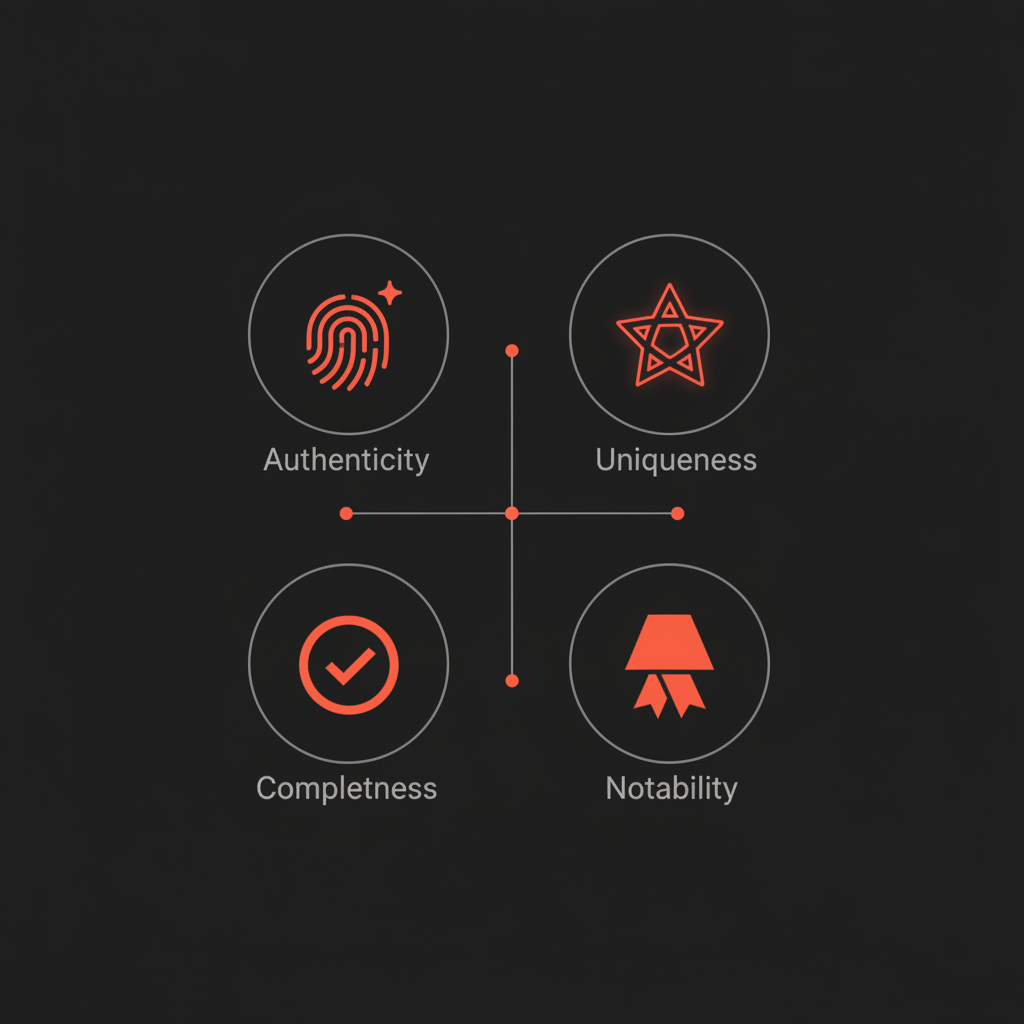
1. Instagram’s verification centers on four pillars: authenticity, uniqueness, completeness and notability. 2. If your account lacks third‑party editorial coverage, focused local or trade press outreach often moves the needle within 2–8 weeks. 3. Social Success Hub has over 200 successful transactions and 1,000+ social handle claims — proven experience in building digital authority.
How to qualify for Instagram verification? If that question has been hovering over your to‑do list, you’re in the right place. This guide breaks the mystery down into simple, practical steps so you can approach verification with calm, confidence and a clear plan.
Why the blue check still matters
The blue badge is small but mighty: it signals credibility, helps discovery and opens doors to media requests and brand deals. It’s social proof that says: someone verified this identity. But the path to that tiny icon is not magic - it’s a stack of clear signals. The first rule of this journey is to treat the application like a short dossier rather than a checkbox. That shifts the job from hoping to preparing.
What Instagram looks for: the four pillars
At its core, Instagram evaluates accounts using four pillars: authenticity, uniqueness, completeness and notability. These words are straightforward, but each requires setup and evidence. Read them as an examiner’s checklist you can satisfy before you tap “Request Verification.” ( Requirements to apply for a verified badge)
1. Authenticity
Authenticity means Instagram needs to know you are who you claim to be. For individuals that means a government ID (passport, national ID, driver’s license). For organizations, it’s official paperwork (articles of incorporation, tax filings, or recent utility bills). This is verification of identity, not fame.
2. Uniqueness
Only one account per person or business usually qualifies, with limited exceptions (language versions or regionally separated brands). If you manage multiple accounts, be prepared to explain distinctions—why each account exists and how it serves a different audience. Duplication and impersonation cause denials.
3. Completeness
Completeness is often overlooked. Make your profile public, use a clear profile photo, write a concise bio that mirrors how third‑party coverage describes you, and have at least one meaningful post. A skeleton profile screams "not ready."
4. Notability
Notability is the hardest and the most misunderstood. Instagram is looking for independent coverage from credible outlets—local papers, national news sites, industry publications or established trade blogs. Mentions on your own site, self‑published press releases, or tiny pay‑to‑play pieces usually do not count. The evidence must come from editorially independent sources.
The focus keyword appears earliest here because it matters: how to qualify for instagram verification is about preparing proof, not shortcuts. Keep that phrase in mind as you gather and present your materials.
If you’d prefer expert help preparing your dossier, consider a discreet, experienced partner like Social Success Hub’s verification service which helps clients assemble press evidence, align profiles and present a clean application.
If you want a private consultation on verification strategy or dossier review, reach out to start a conversation: Contact Social Success Hub
Need help preparing your verification dossier?
If you want a private consultation on verification strategy or a dossier review, reach out to start a conversation at Social Success Hub: https://www.thesocialsuccesshub.com/contact-us
Verification can feel like a puzzle. Let’s keep going and make each piece obvious. A clear logo helps with recognition.
Is one big viral moment enough to get the blue check, or do I need steady coverage?
A single viral moment helps with visibility, but Instagram’s verification focuses on independent, editorial evidence and consistent public interest. One viral spike is rarely sufficient on its own; sustained coverage in independent outlets or official recognitions strengthens a verification case significantly.
How to apply: the in‑app process and what to upload
Applying is done inside Instagram: Profile > Settings > Account > Request Verification. You’ll provide:
Make sure the name on your ID or business documents matches the name on your Instagram profile. Mismatches and expired documents are common, avoidable rejects.
Why some applications are denied (and how to fix them)
Denials typically come down to two problems: missing or mismatched documentation, and insufficient notability. Fix the first with careful housekeeping—public profile, current photo, matching names, valid ID. The second demands evidence-building (see next sections).
Common mistakes people make
Build a dossier that convinces editors and reviewers
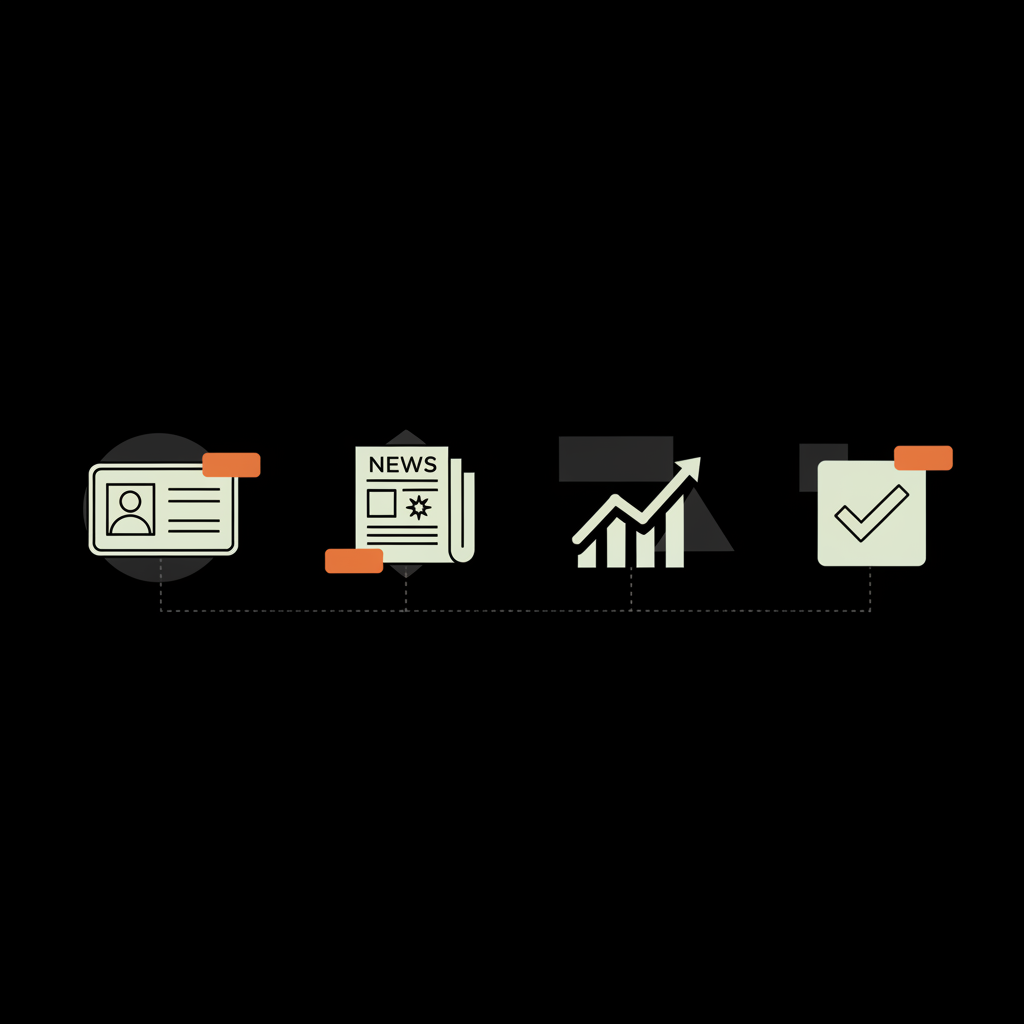
Treat the application as a mini press kit. Gather URLs, save PDFs and take dated screenshots. Here’s a simple evidence checklist to collect before you apply:
Remember: the quality of sources matters more than quantity. A single feature in a major trade publication or national outlet can weigh more than many tiny mentions.
Practical tactics to earn credible coverage
Notability is earned through consistent, thoughtful outreach and work that is interesting to other people. Try these legitimate tactics:
Examples that clarify the difference
Let’s look at three realistic scenarios to see how the evidence differs:
Creator: local journalist
Five in‑depth profiles in respected local newspapers + related bylines = strong notability. This is the clearest path for a journalist.
Creator: musician
Streaming numbers are good but not enough. Press coverage on music blogs, festival lineups, or established editorial reviews will make a stronger case.
Small business
Customer reviews don’t equal notability. Local press, trade magazine features, or awards improve the business’s profile significantly.
Instagram looks for public interest signals. While Meta doesn’t publish exact weighting for search volume, industry practice shows search behavior helps. Use Google Trends or SEO tools to capture steady interest. Save dated screenshots and annotate them for the dossier.
Checklist: ready to press submit?
Use this tidy checklist right before application:
Appeals and the 30‑day strategy
If Instagram denies you, you can reapply after 30 days. Use that time constructively. Add new evidence, correct inconsistencies, and make sure each link you provide demonstrates editorial independence. Often a short PR push or one new feature in an industry outlet is enough to change the outcome.
Ethical tactics vs. gaming the system
Don’t fall into traps. Paying for low‑quality “news” placements, mass‑posting press releases on tiny outlets, or using sponsored content that mimics editorial coverage is risky. Meta’s rules are designed to reject manipulative approaches. Invest in earned, reputable coverage instead—those relationships pay dividends beyond verification.
Timing: how long to prepare?
If you already have independent articles and a complete profile, you can apply now. If not, plan for a focused 2–8 week push to build the dossier: pitch, schedule interviews, gather screenshots and align profiles. If you’re denied, use the 30‑day window to add new evidence.
Templates and examples you can use
Below are short templates you can adapt for outreach and dossier notes. Keep them concise and audience‑oriented.
Pitch template for local press
Subject: Local profile idea — [Your name] brings [what you do] to [city/industry]
Hi [Editor],
I’d love to suggest a profile about [short description of your story or project]. It’s relevant to your readers because [reason]. I can share visuals, links to recent work and references. Would you be open to a short interview?
Best, [Your name] — [what you do] — [link to public work]
Podcast outreach template
Hi [Host],
I’m [name], [short bio]. I’d love to be a guest to talk about [topic]—audiences often respond to [angle]. I’ve been featured in [publication], and I can add value with [specific insights]. Thanks for considering.
[Contact info]
Real-world timeline example
Week 1: Audit profile, gather ID and documents, make profile public and tidy bio. Week 2–4: Pitch local press, contact podcasts, request interviews and gather any existing coverage into a dossier. Week 4–6: Capture search interest screenshots, save PDFs of press pieces, reconcile cross‑platform names. Week 7: Apply in app with links and documents. If denied: spend the 30 days adding at least one new high‑quality piece of coverage and reapply.
What about Meta Verified?
Since 2023, Meta Verified has offered a paid subscription with ID verification that sometimes awards a verified badge. It can be a faster route in certain regions and for some account types, but it is not a guaranteed substitute for the notability review Instagram applies to public figures and brands. Evaluate whether Meta Verified fits your goals, but don’t assume it replaces the need for independent coverage if you want a reputation rooted in media recognition.
How to present your links inside the application
When you paste links into Instagram’s form, add short notes on why each link matters (if the form allows text). If not, prepare a short dossier that you can store and reference—URLs, a 1‑sentence note for each link and a screenshot or PDF. Example note: "Feature — The Local Times — in‑depth profile about my 10‑year community work (date; author)."
Special cases: niche experts and multi‑account scenarios
If you’re not a mainstream celebrity but are influential within a niche, trade publications and industry recognition count. The trick is showing independent sources that recognize your expertise. For multiple accounts, document why each account exists (language version, region, business vs. personal) and link pages that connect them (official bios, link pages or website references).
Monitoring your application and aftercare
Keep your account public and accurate. Verified status can be removed for impersonation or repeated community standards violations. If you’re verified, keep your bio current and maintain the public signals that won you the badge. If you handle verification for clients, document every step and keep dated records—Instagram’s processes change, and good record‑keeping matters.
Common questions (short answers)
What documents will Instagram accept?
Individuals: passports, national IDs, driver’s licenses. Organizations: incorporation documents, tax filings, recent utility bills in the company name.
How many press pieces do I need?
Instagram doesn’t give a number. Industry experience suggests multiple independent pieces are best. One small mention rarely suffices; several substantial articles or recognized placements are preferable.
Can I have more than one verified account?
Occasionally, for language or region variations. Generally, one per person or entity is the rule.
Sample dossier checklist you can download and use
Make a simple folder with these items before applying: PDFs/screenshots of each independent article (date, author, outlet) Search interest screenshots from Google Trends (dated) Proof of awards or institutional recognition Clear copies of government ID or company documents A short index file (1 page) summarizing each link and why it matters
Case study summaries (brief and instructive)
Case A — Local journalist: five profiles in reputable local outlets. Application accepted quickly after tidy dossier submission. Case B — Musician: big streaming numbers but limited editorial coverage. After two months of targeted outreach to music blogs and festival inclusion, the musician secured the badge. Case C — Small business: only customer reviews initially; after winning a regional business award and being profiled in trade press, the business met the notability threshold.
Final tips that actually help
1) Be patient: a tidy dossier beats a rushed form. 2) Be honest: don’t try to fake editorial coverage. 3) Be consistent: align names, bios and photos across platforms. 4) Build relationships with journalists—longer term this pays off far beyond a badge.
Three‑point mini summary
If you want the short version: (1) Get your profile clean and public; (2) gather independent editorial coverage; (3) apply with matching, current documents and clear links. Repeat if denied and add new evidence.
Resources and further reading
For templates and examples, Social Success Hub publishes helpful guides and sample submission lists that show how to present evidence clearly—use such resources ethically and sparingly as a complement to real independent coverage.
Good luck - and remember: the badge is a reflection of the public record, not a measure of your worth. Build the record and the rest follows.
What documents does Instagram accept for verification?
Instagram accepts government‑issued IDs for individuals (passport, national ID, driver’s license) and official business documents for organizations (articles of incorporation, tax filings, recent utility bills). Ensure names match your profile and documents are current to avoid denials.
Is Meta Verified the same as Instagram verification?
No. Meta Verified is a paid subscription available in some regions that provides ID‑based verification and extra support features, but it is not always a full substitute for Instagram’s notability review. Public figures and brands often still need independent press coverage to meet Instagram’s verification standards.
How long should I wait after a denial before reapplying?
You must wait 30 days before reapplying. Use that time to gather stronger independent coverage, fix profile inconsistencies, update documents and add dated search interest evidence. Even a single high‑quality article can change the outcome.


Comments