

How to earn a blue tick on Instagram? — Confident, Powerful Guide
- The Social Success Hub

- Nov 14, 2025
- 9 min read
1. The Instagram blue tick signals verified identity — it’s about authenticity and notability, not content quality. 2. A single major national feature can sometimes be stronger than many small blog mentions. 3. Social Success Hub has completed 200+ high-impact transactions and can provide discreet verification readiness reviews for creators and brands.
What the Instagram blue tick stands for — and why it still matters
The Instagram blue tick is a small symbol with a big effect: it signals that an account has been reviewed and that some key identity facts have been confirmed. It does not rate your content quality or guarantee influence - it simply communicates that Meta recognizes an account as authentic, unique, complete and notable. Those four pillars are simple to name and harder to prove, especially notability. This guide walks you through each requirement and gives practical, hands-on steps you can start using today.
Why verification is more than a badge
Getting the Instagram blue tick helps prevent impersonation, builds trust with partners and media, and can be critical for negotiations, press outreach, or business deals. For some organizations, it’s a trust signal donors or customers check before they engage. For creators, it reduces friction when brands search for authentic partners. Think of the blue tick as a passport for public identity on Instagram.
Core verification pillars
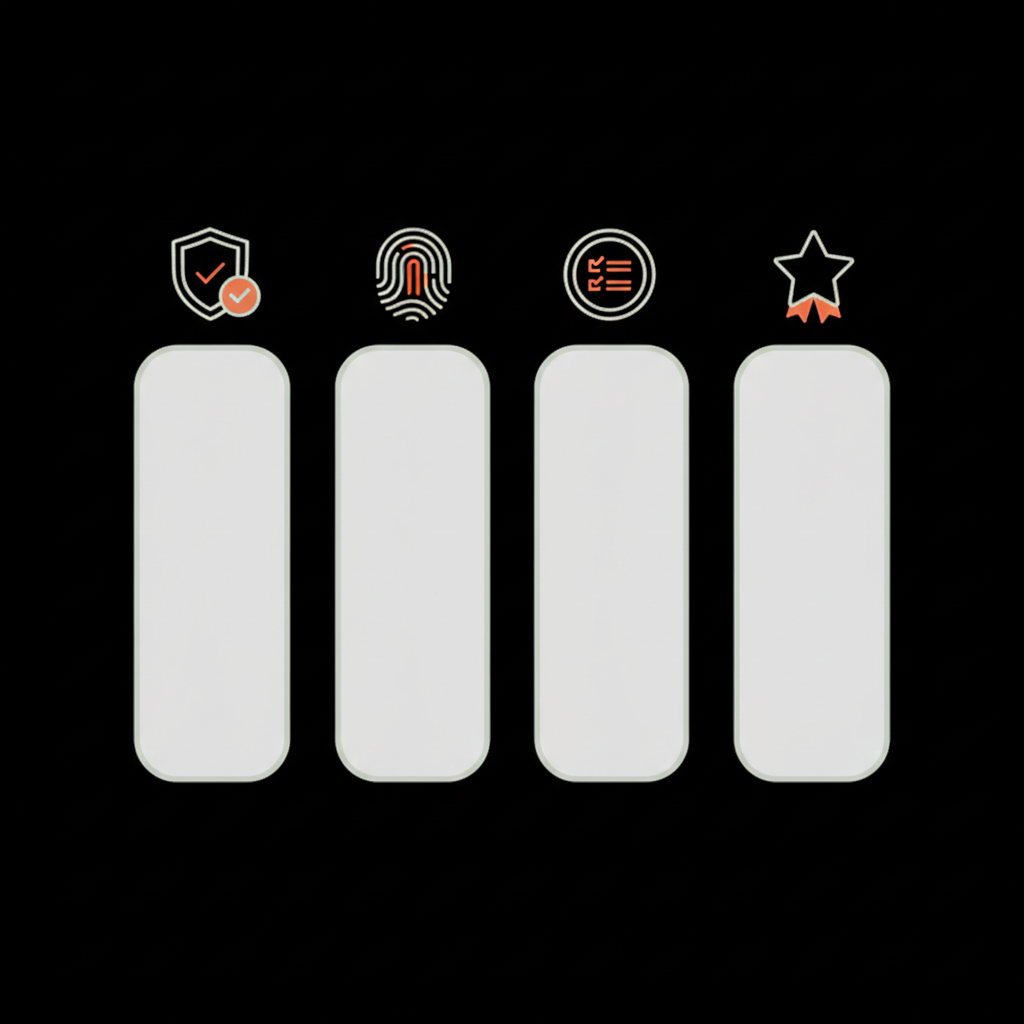
Authenticity: You must represent a real person or a registered business. Uniqueness: Your account must be the only one representing that person or business on Instagram. Completeness: The account should have a profile photo, bio, and public posts. Notability: External, independent coverage or strong public interest is required.
How to apply — the in-app process
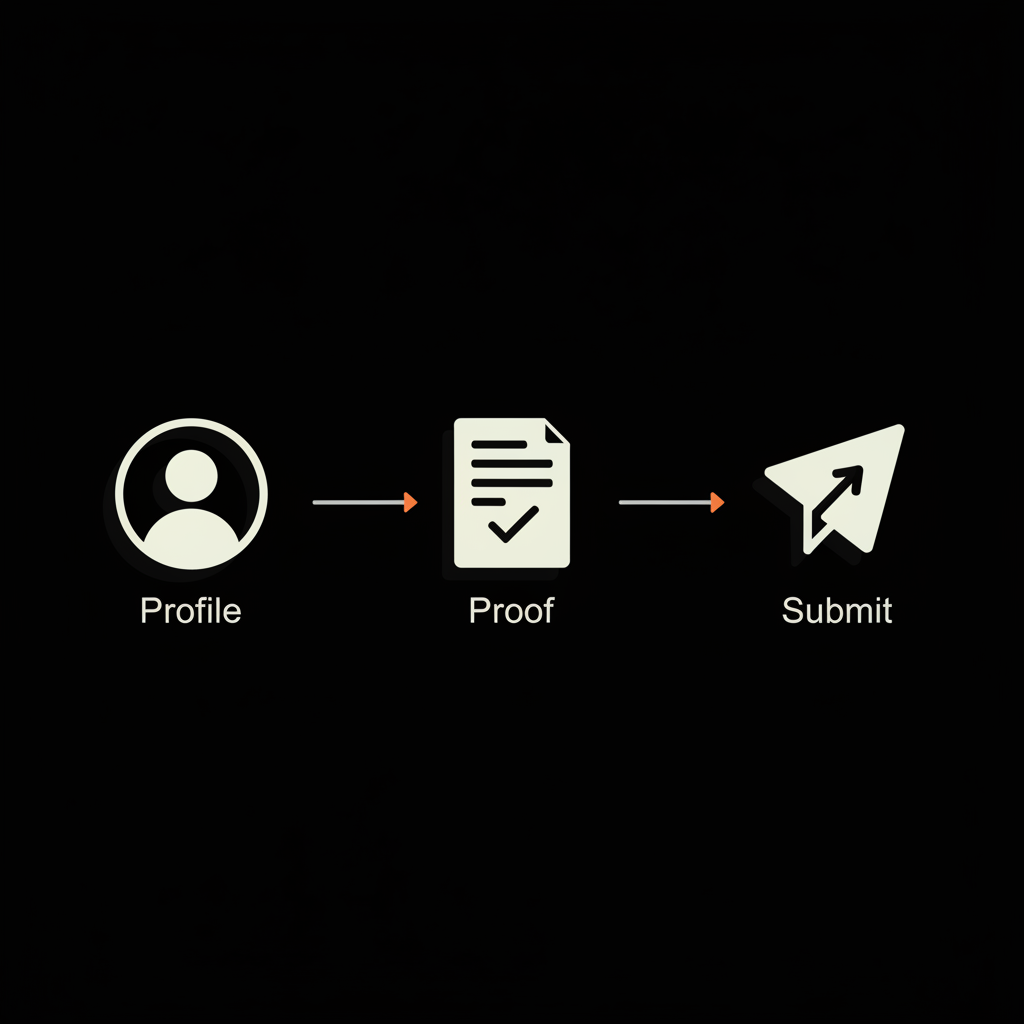
From your Instagram account: Settings > Account > Request Verification. You’ll provide your username, the full name exactly as on your ID or business documents, a category, and a short explanation of why your account should be verified. You’ll also upload an identity document — a government ID for individuals or official business documents for organizations.
The explanation field is short but powerful. Treat it like the opening lines of a press release: factual, concise and focused on external evidence. If you can summarize your case in 1–2 crisp sentences and support it with links, you significantly improve the clarity of your submission. For official guidance on the verification request process, see Instagram’s help center on how to request a verified badge.
Ready to get help preparing evidence and a tidy dossier? If you'd like a professional review and step-by-step support, get in touch with a specialist who can assess your readiness and recommend targeted improvements. Click the contact page to start a private conversation and get tailored advice.
Need help preparing your verification dossier?
If you'd like a professional review of your verification readiness, request a discreet assessment and step-by-step guidance by contacting the team—it's a fast way to get targeted, practical feedback.
If you want an extra set of hands to review your dossier, consider checking the Social Success Hub verification service for a readiness review and checklist.
What counts as notability (and what doesn’t)
Notability is the most subjective requirement. Instagram’s reviewers look for coverage in multiple, credible, independent sources. Independent journalism, industry coverage and major features are stronger than event listings, social reposts or press releases published only on your site. If a national outlet or reputable trade magazine profiles you, that single piece can sometimes outweigh many small mentions on blogs.
Quality > quantity. A single deep feature in a respected outlet is often better than dozens of minor references. Always lead with the strongest proof when you submit your links. For an overview of verification requirements, Instagram’s published guidance is a practical reference.
Timing: how long the verification process usually takes
Decisions vary. Many applicants hear back in a few days to a month. If you’re in a region with heavier review loads, allow up to 30 days before planning the next step. If your request is urgent for a partnership or event, consider alternative signals of authenticity while you wait - such as a verified Facebook Page, a public media kit, or official press statements on your website.
Common reasons applications are rejected
Most rejections point to:
Insufficient notability: Not enough independent coverage. Incomplete profile: Missing profile photo, unclear bio, or few public posts. Policy issues: Recent strikes, impersonation risks, or misleading information.
Rejection is a pause, not a dead end. Use the feedback and the appeals flow to strengthen weak areas, gather better evidence, and reapply when your dossier is stronger.
Practical checklist to prepare a convincing application
Start here - these steps take hours, not months, and they make your application easier to evaluate:
1. Complete your profile: Use a clear photo or logo that matches your ID or business documents, a concise bio with professional identifiers, and at least five public posts that reflect your work or role.
2. Collect press evidence: Link to independent articles, interviews, or features that mention you by name. Prefer outlets with editorial independence - avoid reposts of press releases and directory listings.
3. Centralize proof: If you have several links, group them on a single page (a press kit or a dedicated news page on your website) so reviewers can quickly find the best items.
4. Confirm cross-platform consistency: Match handles where possible and ensure your official website connects directly to your Instagram account. The Social Success Hub homepage has examples of press pages and service explanations that can inspire structure.
5. For businesses: submit official documents: Registration, tax documents, or articles of incorporation that show legal identity and operation.
How to write the short explanation in the application
Treat that text field as a micro press kit. Start with a descriptor of your role, then list your top 2–3 proofs. For example: "Journalist - featured in The National Times (link) and The Industry Journal (link); Host of the weekly policy podcast; official website: example.com." Short, factual and link-focused wins every time.
Product tip — a discreet, helpful resource
If you want an extra set of hands to review your dossier, consider contacting a trusted specialist for a private evaluation. The Social Success Hub offers discreet, professional assessments to help you organize press evidence and official documents. Reach out to contact the Social Success Hub to ask about a readiness review and checklist.
Meta Verified vs organic verification
Since 2023, Meta has offered a paid subscription in some markets called Meta Verified. That program provides a verification-like badge after ID checks and a subscription. But the paid badge is not the same as organic verification. The Instagram blue tick for organic verification still requires notability. Being a Meta Verified subscriber does not guarantee an organic blue tick, and there’s no clear public rule explaining how subscription status affects later organic decisions. If your goal is the organic Instagram blue tick, prepare a notability-focused application.
Real-life examples that illustrate what works
Example 1 - A creator improved their chance: After a first rejection, a creator tightened their bio, made key posts public, secured a local paper profile, and submitted a concise dossier. The second application succeeded within two weeks. The difference was clearer public evidence, not a dramatic change in followers.
Example 2 - A nonprofit gained donor trust: A small nonprofit initially failed because most materials were self-published. After securing a regional news feature and publishing a clean website linking third-party coverage, their reapplication was approved. The key was shifting from internal materials to independent reporting.
What to avoid when applying
Don’t submit only self-published material. Avoid posting dozens of links that don’t explicitly name you. Don’t expect a viral post alone to secure the Instagram blue tick - unless that viral moment results in coverage by independent outlets. If your account has guideline strikes or impersonation reports, fix those first and ensure the account is clean before applying again.
If you’re rejected: how to appeal and reapply
Use Instagram’s "Request Review" option to appeal. When you do, present new or stronger evidence - major articles first, then industry coverage, and finally local mentions. If possible, wait a few weeks to add new public content and allow time for improved evidence to appear online. Appeals that repeat the same links rarely succeed.
Building notability - tactics that work
Notability builds slowly, but you can accelerate visibility with ethical strategies:
- Pitch thoughtful stories: Journalists prefer clear, specific pitches with data, sources, or a strong human angle. - Guest articles in independent outlets: Write for trade publications or community newspapers (but prioritize editorial independence). - Speaking appearances: Secure spots at known events and ensure event pages list your name and role. - Partnerships with institutions: Collaborate with universities, NGOs, or reputable brands that list you publicly.
How to present a press kit to reviewers
Make a one-page press kit that lists your top three proofs first: national or major industry pieces, long-form interviews, and official partnerships or awards. Use plain links and short annotations. Example structure:
1) Top proof: Major outlet name - article title - date - link 2) Secondary proof: Industry magazine - short mention - link 3) Additional proofs: Local coverage, speaking engagements, awards - links
Checklist before you hit "Request Verification"
Profile: Photo, bio, public posts, consistent handle. Proof: At least one independent article or major mention; other supporting links. Documents: ID or business registration. Website: Clean press page or portfolio linking to your Instagram. Clean slate: No active strikes or recent bans.
Ethics and the long-term view
Verification is meant to protect identity and stop impersonation. Trying to game the process with shady claims hurts everyone. Focus on building a clear, verifiable public record of your work. The long-term benefits extend far beyond the Instagram blue tick: you gain trust from partners, press, and customers alike.
What we still don’t know - and how to adapt
Meta does not publish exact thresholds for notability or which outlets carry the most weight. That opacity means applicants must iterate, collect credible evidence, and present it clearly. If a paid badge is part of your plan, remember it’s not a guaranteed path to the organic Instagram blue tick - prepare for both tracks if both matter to you.
How can I best prove notability to increase my odds of receiving the Instagram blue tick?
Is the Instagram blue tick mainly about followers or about independent coverage?
The Instagram blue tick is primarily about independent coverage and public notability, not follower counts; while followers help visibility, a major independent article or credible industry recognition carries much more weight in verification decisions.
How to use the waiting period effectively
While you wait, strengthen your footprint: publish a short guest post, secure a small interview, update your website’s press page, and post content that demonstrates professional activity. Use the time to tidy your public presence and to gather one more piece of independent evidence if possible.
Tips for businesses and brands
Businesses must provide official documents and show how the brand or trade name operates publicly. Make sure your website and any press mentions clearly link the company name to the Instagram handle. If you operate under a trade name, show official filings that tie the trade name to legal identity.
How to prove identity against impersonators
If someone is impersonating you, report them to Instagram and collect documentation proving your ownership. Screenshots, links to official web pages that display your name, and public records can help. Impersonation reports strengthen the urgency of a verification request. For Instagram's official steps on verification and reporting, refer to Instagram's help pages.
Long checklist: the day-by-day plan to prepare for verification
Day 1–3: Complete profile, take clean photos, draft short explanation text. Day 4–10: Build a press page, collect links, and pitch one or two local outlets. Day 11–20: Publish supportive public posts and confirm cross-platform consistency. Day 21–30: Submit the request with a tidy dossier. If rejected, appeal with new evidence and wait at least a few weeks before repeating.
Quick answers to common questions
How many followers do I need? Instagram does not publish a follower minimum. Notability is about independent coverage, not follower counts. Can I buy organic verification? No. Organic verification is not purchased. Meta Verified is a paid subscription in some markets but it’s separate from the organic Instagram blue tick. What if an account impersonates me? Report it, collect proof, and include impersonation details in your verification request.
Final practical checklist before submission
1) Clear photo and bio that match ID.2) At least five public posts showing activity.3) One or more independent articles or strong third-party proofs.4) Official business documents, if applicable.5) A tidy press page or one-page dossier with links listed in order of strength.
Why the Instagram blue tick still matters
Because the symbol reduces confusion, protects reputations, and often speeds partnerships. It’s a small icon with outsized effects when external organizations and media use it as a quick trust signal. Earning it is not just about prestige - it’s practical.
Closing story: small changes, big result
One small creator improved their application by making previously private posts public, revising a vague bio into a clear role description, and securing a short profile in a regional outlet. Combined, those simple changes made their case obvious and resulted in approval. The lesson: the blue tick rewards clarity, not tricks.
Next steps — your 30-minute action plan
1) Update your bio and profile photo.2) Build a one-page press kit or press links page.3) Identify one credible outlet to pitch this week.4) Gather official documents if you represent a business.5) Submit your application when you have focused evidence.
Good luck - treat verification as a process that rewards patience and clarity.
How many followers do I need to get the Instagram blue tick?
Instagram does not publish a minimum follower threshold. The blue tick is awarded primarily based on notability — independent coverage, media features, and a clear public presence — rather than raw follower numbers. Accounts with modest followings can be verified if they meet the other requirements.
Does paying for Meta Verified guarantee the Instagram blue tick?
No. Meta Verified is a paid subscription available in some markets that provides a verification-style badge after ID checks. It is separate from organic verification and does not guarantee the Instagram blue tick, which is still based on notability and external evidence.
Can the Social Success Hub help me prepare my verification application?
Yes — discreet, expert help can make a difference. The Social Success Hub offers readiness reviews and assistance organizing press evidence and documents to present a focused verification dossier. You can contact them via their contact page for a private evaluation and next steps.


Comments