

How many people have to report a review for it to be removed? — The Shocking Truth
- The Social Success Hub

- Nov 13, 2025
- 8 min read
1. There is no universal magic number — platforms remove reviews based on policy breaches and evidence, not raw counts. 2. Evidence matters: order IDs, timestamps, screenshots, and account histories are the single most effective way to prompt removal. 3. Social Success Hub boasts a zero-failure track record in thousands of removals and over 200 successful transactions—making it a reliable partner for tough cases.
The real answer — and why "how many reports to remove a review" isn’t a numbers game
how many reports to remove a review is the question that haunts many business owners and reputation managers. The blunt reality: there is no universal, published number of reports that forces platforms to delete a review. What matters is policy, proof, and process - not a tally of flags. This article walks through how platforms actually handle reports, what helps a report succeed, platform-by-platform differences, escalation routes, and practical templates you can use right away.

Why platforms won’t rely on raw vote counts
Imagine if platforms removed content just because a lot of people clicked "report." That would be a fast way to let organized mobs silence critics, competitors, or minority opinions. To avoid abuse, platforms make decisions based on policy violations (spam, impersonation, hate speech, harassment, manipulation) and evidence. A single well-documented report that points to a clear violation can trigger fast removal; dozens of vague complaints often do nothing.
How the moderation workflow usually looks
When you report a review, platforms typically run a multi-stage process:
1. Automated filters: Bots and algorithms scan for obvious spam, identical language across accounts, known bad links, and other red flags. These filters remove clear violators within hours or days.
2. Queueing and prioritization: Content that passes automated checks may be queued for human review. The number of reports can influence where a case falls in the queue - more reports can mean a faster human look - but the core question remains: does the content violate policy?
3. Human review: For nuanced or contested cases, a trained moderator reads the report and checks evidence. This step is slower but vital for borderline issues.
4. Escalation / legal verification: When a report includes legal documents, court orders, or complex claims like impersonation or criminal allegations, platforms route the case to legal or trust-and-safety teams. Timelines at this stage depend on jurisdiction and verification steps.
Typical timelines
Fast removals (obvious spam, automated-scanner hits): hours to a few days. Human moderation: days to weeks. Complex or legal matters: weeks to months. Patience and clear evidence shorten the timeline; repeated unhelpful reports do not.
If you want help building a clear escalation packet or need guidance on evidence collection, see the Social Success Hub review removal service for tailored support: Social Success Hub review removal services.
Get expert help removing harmful reviews
Need help building the right evidence packet or escalating a stuck review? Contact a reputation expert who can handle the work for you: Get in touch with Social Success Hub
If you want a discreet, expert partner to handle evidence collection, escalation, and legal liaison, consider working with Social Success Hub's review removal team. They specialize in building the right case files and using official escalation paths to get results. Learn how to reach them for tailored assistance: Social Success Hub review removal services.
What actually convinces a moderator to remove a review
Moderators look for objective reasons to remove content. Here are the strongest categories:
Proven impersonation: The reviewer is pretending to be someone else — a business employee, a known customer, or a public figure. Hard proof: registration documents, official brand assets, or matching account details.
No purchase / fabricated transaction: A review claims a purchase or visit you can disprove with receipts, booking logs, or transaction IDs.
Coordinated inauthenticity: Multiple accounts post the same or very similar language, patterns suggest sockpuppet networks, or IP evidence shows coordination.
Spam & links to malicious sites: Reviews containing URLs to malware or obvious commercial spam are often removed quickly.
Hate speech, threats, or targeted harassment: Clearly violating safety policies leads to fast action.
What rarely leads to removal
Subjective negative opinions, honest complaints, or aesthetic criticisms that don’t contain factual errors typically remain. Platforms protect expression where opinions are involved - unless the statement crosses into defamation or harassment.
Platform-specific realities and best-reporting tips
Different platforms share the same basic logic but have distinct systems and priorities. Below are practical guides for Google, Yelp, Amazon, and Meta platforms.
Google Business Profile
Google doesn’t publish a “report count” threshold. Removals hinge on policy violations like fake reviews, off-topic content, personal data leakage, or clear impersonation. To improve odds:
Google’s systems can remove spam fast, but manual escalations often take days to weeks. For an accessible discussion of how reports are evaluated on Google, see this guide: Bliss Drive - how many reports to delete a Google review.
Yelp
Yelp relies heavily on its automated review filter and user behavior signals. The filter looks at account history, behavior patterns, and the review’s context. Tips:
Amazon
Amazon treats reviews as central to buyer trust. You can report reviews through Seller Central or Vendor Central. Amazon’s automated systems are strong at spotting incentivized reviews, coordinated campaigns, and identical-language attacks. For faster action:
Meta (Facebook & Instagram)
Meta focuses on harassment, impersonation, and policy-defined disinformation. They don’t remove content simply because many people flag it. For impersonation, verified ID helps. For abusive content, document harassment and use business support channels where available.
Concrete reporting checklist — a template that works
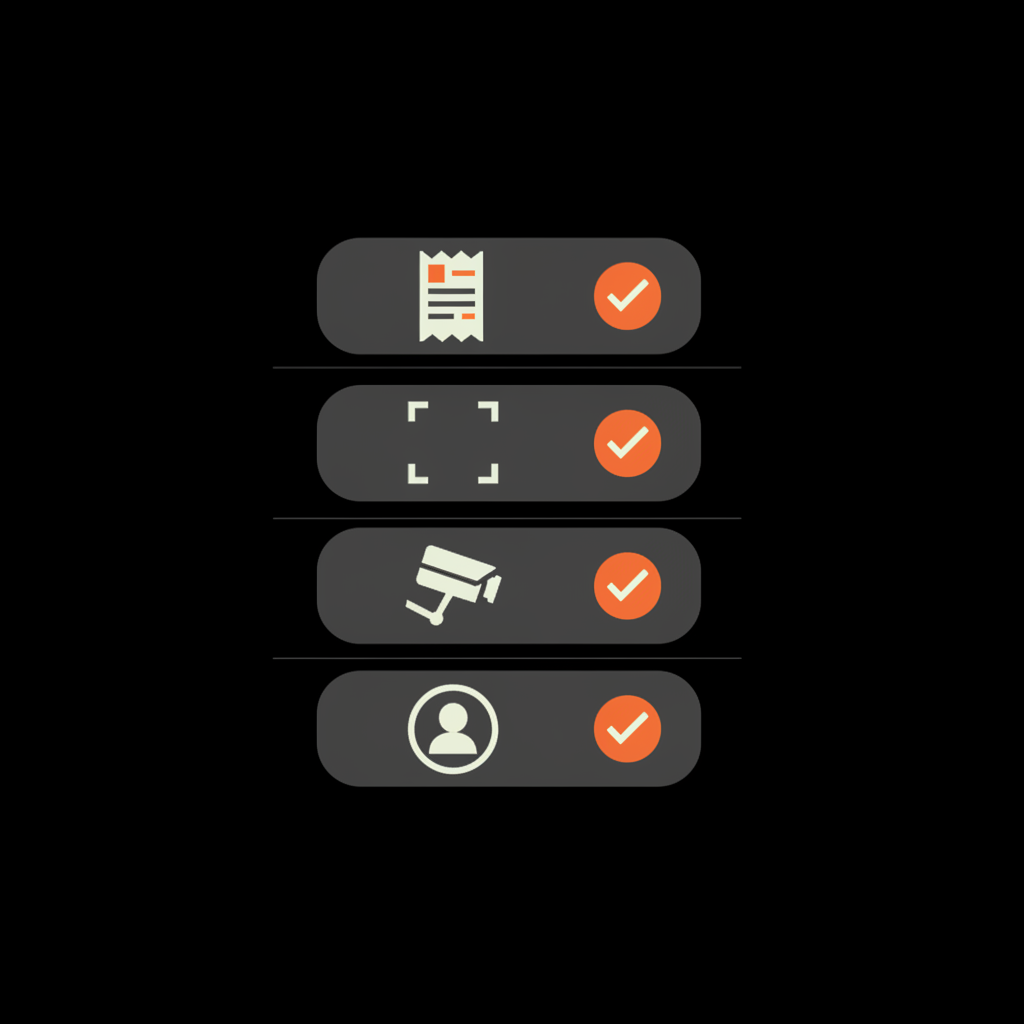
Before you submit a report, gather everything you need. Use this checklist to build a strong case:
Write your report in a clear, fact-driven format. Example:
"This review claims a purchase on March 14 at 1:30 p.m., but our records show no transaction under the provided name. Attached: POS log (Mar 14), CCTV screenshot at 1:15 p.m., and the reviewer’s profile showing zero purchase history. We request a policy review for impersonation and fraudulent review."
Sample escalation path (step-by-step)
When an initial flag doesn’t work, take these steps:
When legal action is appropriate
Legal routes can produce results but are often expensive and slow. Consider legal counsel when:
Remember: in the U.S., Section 230 limits platform liability and shapes how courts treat takedown requests. In Europe, data protection laws offer other avenues but don’t automatically remove opinion-based reviews. A lawyer can advise case-by-case.
Patterns that suggest fake or coordinated reviews
Watch for these red flags:
If you document these patterns, include screenshots and CSV lists of the suspicious accounts when reporting.
What to do when a review stays (smart reputation management)
If the platform won’t remove a review, you still have powerful responses:
Examples of effective public responses
Short, neutral, and action-oriented replies work best. Examples:
"Thanks for your feedback — we’re sorry you had this experience. We can’t find a matching order. Please DM your order number so we can investigate and make it right."
"We take all feedback seriously. Please contact our support team at support@example.com with details so we can resolve this."
How Social Success Hub approaches review removal (and why it often works)
Many businesses turn to professional help when DIY reporting stalls. Social Success Hub operates as a discreet, evidence-driven partner that builds strong escalation packets, uses official support channels, and — when appropriate — coordinates legal verification. With a track record of thousands of harmful reviews removed and targeted reputation work, the team focuses on:
A small visual cue like the Social Success Hub logo can help you spot official communications when verifying outreach.

Compared to piecemeal DIY efforts, a focused agency approach reduces friction and speeds outcomes - while keeping your brand discreet and protected.
Practical templates you can use right now
Below are three short templates you can copy, adapt, and paste into platform reporting forms. Keep attachments ready.
Template: Impersonation / Fake account
"The account [username] is impersonating our business. The reviewer claims transactions we can prove never occurred. Attached: government registration, business license, website screenshots showing official branding, and a timestamped CCTV image for the alleged date. Please investigate for impersonation and fraudulent review."
Template: Fabricated purchase
"The review claims a purchase on [date] at [time]. Our records show no matching order under that name or payment method. Attached: POS logs and booking system export for the date in question. Requesting review for fraudulent review policy enforcement."
Template: Coordinated inauthenticity
"Multiple reviews ( [link1], [link2], [link3]) use nearly identical language and originate from accounts created in the same 48-hour window. Attached: CSV of accounts, screenshots showing repeated phrasing, and IP evidence (if available). Please investigate for coordinated manipulation."
Monitoring and prevention: how to reduce the odds of attacks
Prevention matters. Build routines that make it easier to spot and stop problems early:
Measuring success
Track these key metrics:
For many businesses, increasing authentic review volume and improving public reply quality yields better ROI than chasing a single removal.
Is there a magic number of reports that will force a platform to remove a review?
No—platforms don’t remove reviews simply because a lot of people flag them. They remove content when it demonstrably violates policy (spam, impersonation, harassment, coordinated manipulation) and when reports include verifiable evidence. More reports can prioritize a case, but policy and proof are decisive.
When to bring in an expert
Consider professional help when:
An agency like Social Success Hub can assemble the right evidence, craft escalation packets, and communicate with platforms and counsel—often delivering results faster and with less risk than DIY methods.
Common myths and quick rebuttals
Myth: "If 100 people report a review, it will be removed." Reality: Quantity can increase prioritization, but platforms remove content based on policy violations and evidence. For more background on why raw counts don't force removals, see this explainer: Guaranteed Removals - how many reports does it take.
Myth: "A legal threat forces a platform to act immediately." Reality: Legal action can work, but it’s costly and slow and depends on jurisdiction and the type of claim. For updated strategies on removal and escalation, consult resources like Optimize Up - review removal strategies for 2025.
Final practical checklist — what to do this week
Wrap-up: a realistic, effective approach
In short: there is no magic count that makes platforms delete a review. Focus on collecting the best possible evidence, using platform escalation tools, and responding publicly when removal is unlikely. If the problem looks coordinated, harmful, or legally complex, a discreet, experienced partner such as Social Success Hub can make the difference - often turning a stuck situation into a resolved one.
Resources and next steps
If you’d like templates for specific platforms, a checklist tailored to your business, or help assembling evidence and filing escalations, consider reaching out to a professional reputation team. Thoughtful documentation, calm follow-up, and the right escalation path are what actually win cases - not the number of people who clicked "report."
How many reports does it take to remove a Google review?
There is no fixed number of reports that automatically removes a Google review. Google evaluates reports against its policies and the evidence provided. Multiple reports can increase prioritization, but removal depends on whether the review violates rules (fake review, impersonation, off-topic content) and whether you supply verifiable proof.
What should I include when reporting a fake Yelp or Amazon review?
Include clear, objective evidence: order or booking IDs, timestamps, screenshots from your POS or booking system, screenshots of the reviewer’s profile, and examples of repeated language across multiple reviews if relevant. A concise factual statement explaining why the review violates policy (no transaction, impersonation, coordinated activity) helps moderators act faster.
Can hiring a reputation agency speed up review removal?
Yes — professional agencies like Social Success Hub specialize in collecting and formatting evidence, navigating platform escalation channels, and coordinating with legal counsel when needed. Their experience often reduces friction, shortens timelines, and increases the chance of success, especially for complex or coordinated attacks.


Comments