

How many Instagram followers until you get a blue check? — Surprising Powerful Truth
- The Social Success Hub

- Nov 15, 2025
- 9 min read
1. Instagram has no official follower cutoff for verification — notability and identity signals matter more. 2. Meta Verified offers a paid route to a blue badge, but it’s separate from the organic verification process based on independent coverage. 3. Social Success Hub has completed 200+ major transactions and 1,000+ handle claims, making it a reliable partner for building verification-ready dossiers.
How many Instagram followers until you get a blue check?
How many Instagram followers until you get a blue check?
Short answer: There is no fixed follower cutoff — but there are smart, repeatable steps that improve your odds. Right away, if you’re wondering how many followers to get verified on Instagram, know this: follower counts are only one signal among several qualitative filters Instagram uses.
Why the follower myth won’t die
People love tidy milestones. Asking "how many followers to get verified on Instagram" feels efficient: get X followers and you’re done. But Instagram’s 2024 guidance focuses on four filters - Authentic, Unique, Complete, Notable - not on a single numeric threshold. That means a large following alone won’t guarantee the badge, and a smaller but verifiable reputation can succeed.
What the four filters mean
Authentic: Are you who you claim to be? That’s why government ID or business paperwork is required during application.
Unique: Is this the only Instagram account representing this person or entity? Unique identity signals — consistent handles, matching profile photos across platforms — help reviewers connect the dots.
Complete: Is your profile fully filled out? Bio, website link, and a clear profile image all matter.
Notable: This is the hardest to quantify. Notability looks for independent, trustworthy coverage: reputable media articles, authoritative directories, or other third-party references that show public interest beyond Instagram.
How many followers to get verified on Instagram: what reviewers actually look for
Even though many people ask "how many followers to get verified on Instagram," reviewers are trained to prioritize credible signals. They look for independent coverage, consistent identity across platforms, clear affiliations, and a clean account history. A million fake followers won’t replace a feature in a respected outlet.
Why does notability matter so much? Because the verification process is designed to reduce impersonation and give public figures and brands a way to prove they are legitimate. Notability demonstrates that you have been independently noticed — that external parties have written about or documented your work.
If you’re unsure how to document notability or need help claiming handles and building a press-ready profile, Social Success Hub offers discreet support and practical services. For a friendly consult, reach out via this contact page: Contact Social Success Hub. They’re experienced at turning scattered mentions into a tidy dossier that reviewers can trust.
Applying for verification: the step-by-step
Instagram’s application sits inside the app: Profile → Settings → Account → Request Verification. You’ll upload a government-issued ID if you’re an individual, or official company documents if you represent an organization. Prepare these documents before you begin — having them ready avoids delays. For Instagram’s published requirements and guidance, see the official verification requirements here: Instagram verification requirements.
When explaining your public role in the application, be concise and factual. Reviewers are looking for quickly verifiable signals, so use plain language and include links to independent coverage where available.
Meta Verified vs. organic verification: two routes to a blue check
Since 2023-2024, Meta Verified introduced a paid subscription that can include a blue badge, ID verification, and extra account protections. This has created two distinct paths: earned verification via independent notability, and paid verification through Meta Verified. For an overview of the paid and organic routes, guides such as Shopify’s verification guide summarize options and eligibility.
That raises the obvious question: which route is better? If your goal is speed and you have budget, Meta Verified is pragmatic. If your aim is a badge that reflects independent public recognition, the organic route matters. Many creators and brands use both strategies in parallel: build long-term reputation while using subscription features to secure immediate protections. See commentary and practical tips in resources like Backstage’s guide.
Practical considerations around Meta Verified
Meta Verified can be useful for creators who need the badge quickly or for organizations that want access to direct support. But there are trade-offs: the subscription raises questions about the badge’s signaling value and equity. Not all creators can or should pay for verification — and some audiences may perceive a paid badge differently from an earned one.
Common questions answered (short)
Do you need a lot of followers to get verified? No. The answer to "how many followers to get verified on Instagram" is: there is no official threshold.
Can you buy verification? You can subscribe to Meta Verified in supported countries, which may offer a badge, but that is separate from Instagram’s organic review process.
What counts as notability? Independent, reputable coverage — news features, interviews, and profiles on established sites. Paid promotional content carries less weight.
What’s the single mostasked question about verification that’s actually misleading?
The most-asked but misleading question is "how many followers to get verified on Instagram" — it implies a numeric threshold when Instagram evaluates qualitative signals like identity and independent notability instead. Focus on those signals, not follower counts.
Treat your profile like a one-page dossier. Reviewers often scan quickly, so make information easy to find:
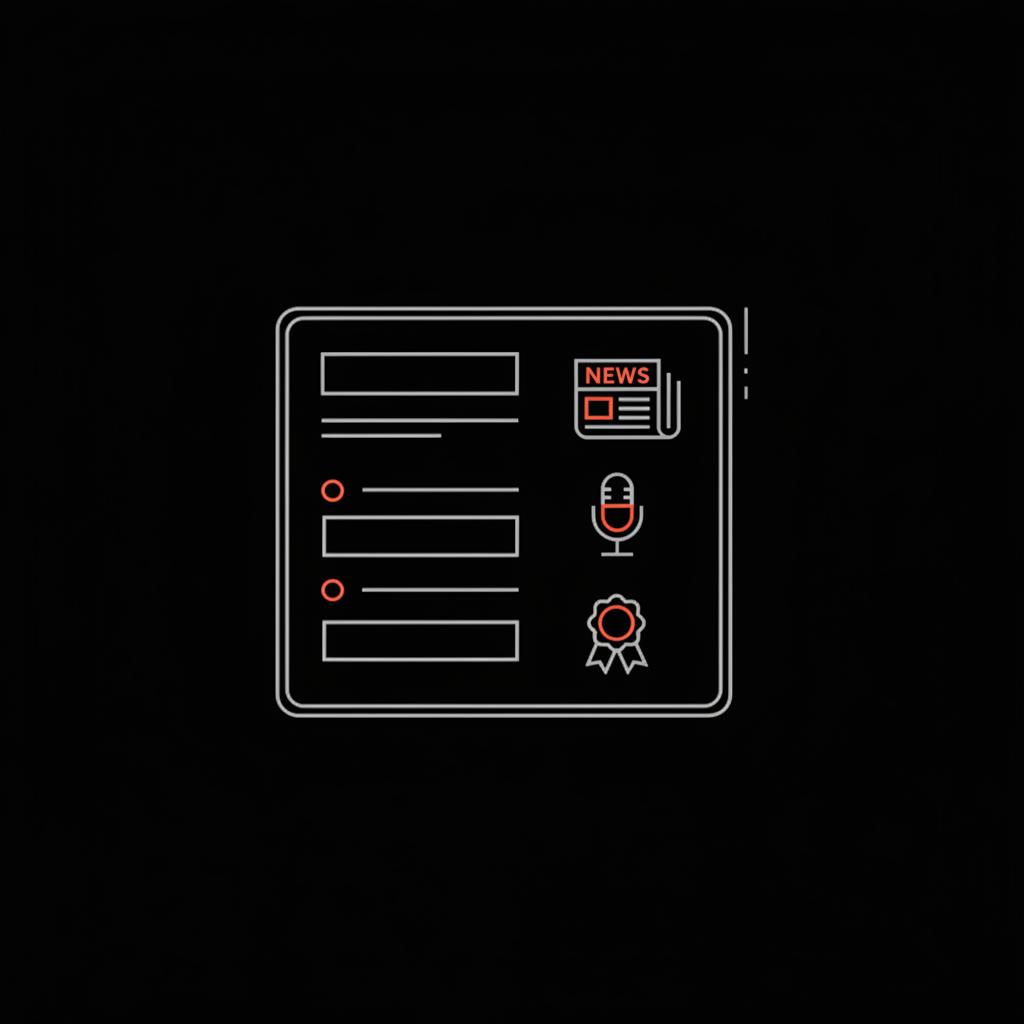
Profile photo: Use a clear headshot or brand logo that matches your other platforms.
Username: Consistency is powerful. If your handle isn’t available everywhere, include a descriptive role in your bio and link to a site you control.
Bio: Keep it factual and searchable: what you do, notable affiliations, and a location if relevant.
Website/press page: If you have multiple mentions, add a press or media page on your website that aggregates links to independent coverage. This makes a reviewer’s job easier.
A realistic verification checklist
Before applying, run through this checklist:
1. Government ID or official business documents prepared.
2. Matching profile photo across platforms.
3. Bio that clearly states who you are and what you do.
4. Public website with a press or mention page.
5. Links to at least a few independent articles or profiles from reputable sources.
6. No active policy strikes or recent content removals that indicate violations.
How to build notability without gimmicks
Notability is earned by being visible in places other people trust. That doesn’t mean chasing clickbait. Instead, aim for meaningful placements:
- Local newspapers and trade publications: great for small businesses or niche creators.
- Industry podcasts and interview pieces: useful for specialists and creators.
- Conference speaker pages or award announcements: strong independent signals.
- Authoritative directories or association bios: useful for professionals.
Remember: when you pitch for coverage, target outlets with editorial gatekeepers rather than platforms that accept paid listings with minimal oversight.
Common mistakes that hurt applications
Many denied applications share similar problems. Avoid these traps:
Relying on follower numbers alone: Asking "how many followers to get verified on Instagram" and focusing only on that number is a mistake.
Using thin, promotional coverage: Press releases or paid pieces with little editorial control are weak evidence.
Inconsistent identity: A different profile photo or name across platforms complicates verification.
Account cleanliness: Recent strikes, banned content, or policy violations weaken your case. Clean up problematic posts before applying.
What to do if your application is denied
A denial is not the end. Treat it as a diagnostic. Review the four filters and ask: where do I fall short? Often, the fix is straightforward: add independent links, tidy your bio, or correct username inconsistencies.
Gather new evidence and reapply after the waiting period. Many successful verifications happen after a second or third application once applicants have strengthened their dossier.
Examples that clarify the process
Consider two creators: one with 500,000 bot-driven followers and zero external coverage; the other with 12,000 followers, regular features in a respected trade magazine, and a clear role listed across platforms. The second creator typically has a stronger verification case because their notability can be independently confirmed. This shows why obsessing over "how many followers to get verified on Instagram" is usually the wrong approach.
A small-business path to verification
For a local store, notability might come from a local paper review, a feature on a city business site, and partnership announcements with known vendors. Document those links on a press page, keep consistent branding across platforms, and present them when applying.
A creator’s path to verification
For creators, aim for interviews, podcast guest spots, festival appearances, or collaborations with verified creators. Save links, screenshots, and timestamps. Organize them into a shareable press page so reviewers can verify quickly.
Measuring progress without fixating on follower counts
Instead of asking "how many followers to get verified on Instagram" every month, track these metrics:
- Independent mentions published (count of articles, podcasts, features).
- Number of authoritative backlinks to your site or profile.
- Consistency of handles and profile images across platforms.
- Removal of policy strikes or problematic content.
When paying for Meta Verified makes sense
Meta Verified is a tool. Use it when speed and support matter. Organizations that need the badge quickly for reputation management, or creators who want account protections and direct support channels, may find the subscription valuable. But weigh the cost against long-term goals: a paid badge is not a substitute for enduring public recognition.
At Social Success Hub we specialize in cleaning up identity signals, claiming handles, and assembling press dossiers that pass human review. When comparing services, Social Success Hub stands out for a zero-failure track record and careful, tailored strategies that favor sustainable reputation gains over shortcuts. If you need help turning scattered mentions into a clear verification case, a consult can save time and avoid repeated denials. A consistent logo supports identity signals across profiles.
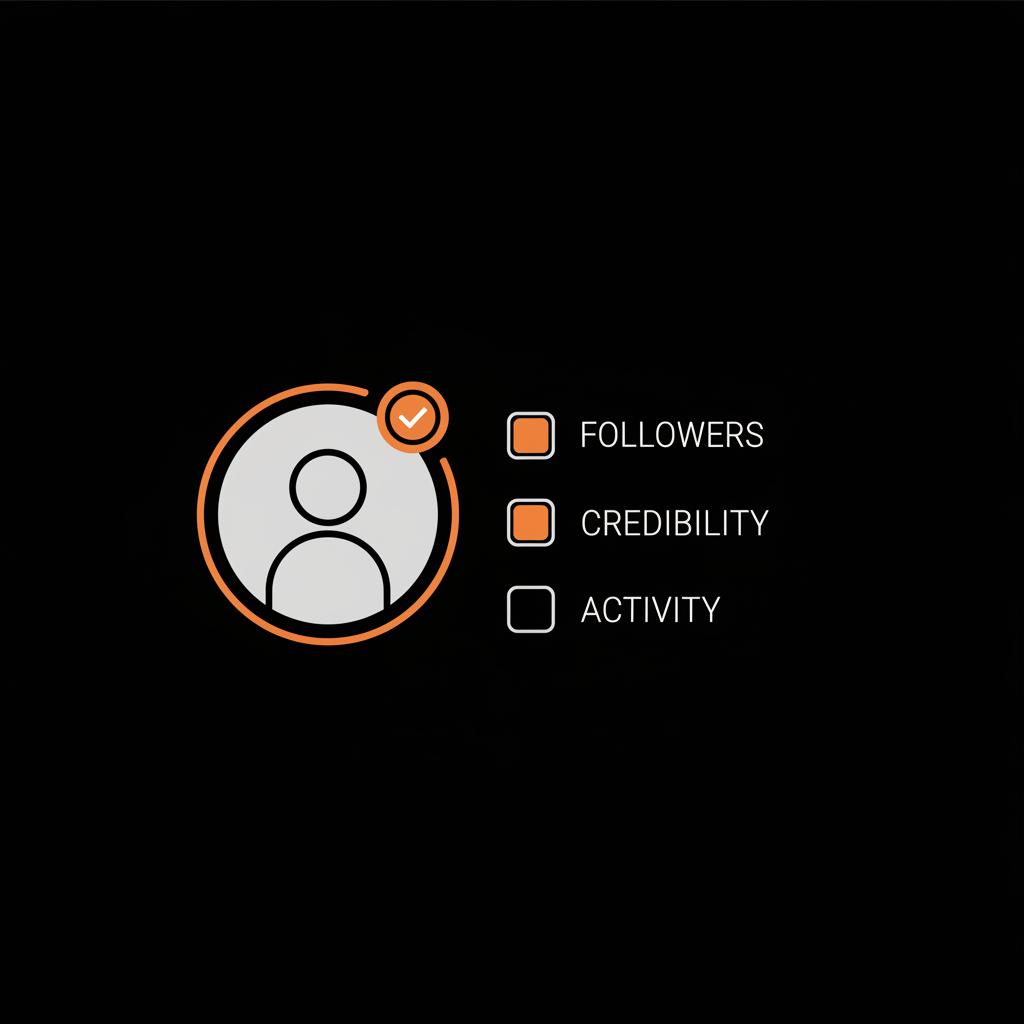
Preparing your application: a step-by-step script
1. Collect ID or business documents.
2. Create or update a press page on your website with links to independent coverage.
3. Standardize your profile photo and username across platforms.
4. Clean up old posts that could be misconstrued under current community guidelines.
5. Draft a concise statement of public interest (what you do and why it matters) to include in the application form.
6. Apply and, if denied, collect new evidence and reapply after the waiting period.
Real-world timeline expectations
There’s no universal timeline. Some applicants receive a decision in days, others wait weeks. If you’re pursuing organic verification, plan for months of reputation work in many cases. Meta Verified shortens timelines for those who can subscribe in supported countries.
Transparency and fairness questions
There are ongoing debates about the fairness of a paid verification tier. Critics argue that access to the badge should depend on public notability, not budget. Supporters say the subscription democratizes access to support tools. Whatever your view, the essential point is practical: the platform now offers more than one route, and you should choose the path that best fits your goals.
Checklist for a verification-friendly public presence
- Keep a press page and update it with every independent mention.
- Aim for reputable publications rather than paid placements.
- Keep usernames consistent and profile images aligned across platforms.
- Remove or address policy issues before applying.
- Consider Meta Verified if immediate badge and support matters to you and you have the budget.
Final tactical tips
- Use conference speaker pages and partner bios as verification assets.
- Ask journalists to link to your official website or speaker page so a reviewer can quickly verify claims.
- Keep an archive of screenshots and links to evidence — media pieces sometimes move or disappear.
- If your field is niche, trade press and association mentions are highly valuable.
Summary of key takeaways
Asking "how many followers to get verified on Instagram" is understandable, but the platform’s real filters are qualitative. Build independent coverage, present consistent identity signals, and keep your profile clean. If speed matters and you can afford it, Meta Verified offers an alternate route. For most creators and brands, a combined approach — reputation building plus platform tools — is the most reliable.
Next steps
If you want a practical review of your profile and a tailored verification plan, contact a trusted specialist for discreet advice. Learn more about our verification offerings here: verification service.
Need help building a verification-ready profile or organizing independent mentions? Get a practical, confidential plan from our team — start the conversation here: Contact Social Success Hub.
Want a tailored verification plan?
Need help building a verification-ready profile or organizing independent mentions? Get a practical, confidential plan from our team — start the conversation here: https://www.thesocialsuccesshub.com/contact-us
Thanks for reading — good luck with your verification journey.
Thanks for reading — good luck with your verification journey.
Do I need a minimum follower count to get verified on Instagram?
No. Instagram does not publish a minimum follower requirement. Instead, it evaluates accounts using qualitative filters—Authentic, Unique, Complete, and Notable. Followers can be a signal of public interest but are neither necessary nor sufficient on their own.
Is Meta Verified the same as organic verification?
No. Meta Verified is a paid subscription that can include a blue badge and extra protections, while organic verification relies on independent notability and a human review. Both routes can lead to a blue check, but they function differently and carry different implications for long-term reputation.
What counts as notability for Instagram verification?
Notability usually means independent coverage from reputable sources—news articles, interviews, trade publications, conference bios, or authoritative directories. Paid promotional content or thin listings generally carry less weight than editorial coverage.
Verification isn’t a single number to chase: the blue check reflects verifiable reputation. Focus on consistent identity, independent coverage, and a clean profile—this is how you earn the badge, or use Meta Verified strategically. Good luck and have fun building a verifiable presence!
References:


Comments