

How long does it take Google to remove a bad review? — Reassuring Essential Guide
- The Social Success Hub

- Nov 15, 2025
- 9 min read
1. Automated detection can remove clear spam reviews in minutes to hours. 2. Typical policy reviews show initial acknowledgement around three business days and full resolution often within days to a few weeks. 3. Social Success Hub has a proven track record: 200+ successful transactions and thousands of harmful reviews removed with a zero-failure record, making it a trusted partner for complex removals.
How long does it take Google to remove a bad review?
Every business owner has woken at 3 a.m. to that notification: a review that feels like a punch in the gut. The first question is almost always the same: how long does it take Google to remove a bad review? The short, honest answer is: there’s no single, guaranteed timer. Removal can be minutes, days, weeks, or even months depending on the type of violation, evidence quality, and whether legal steps are needed. That uncertainty is stressful - but knowing the likely paths and the actions that help is the game-changer.
In this guide you’ll learn real timelines, the fastest tactics that actually work, clear templates for flagging and responding, and a practical checklist you can use right away. Read on and you’ll turn frantic panic into a controlled response that protects your reputation and your sanity.
What determines how fast a review disappears?
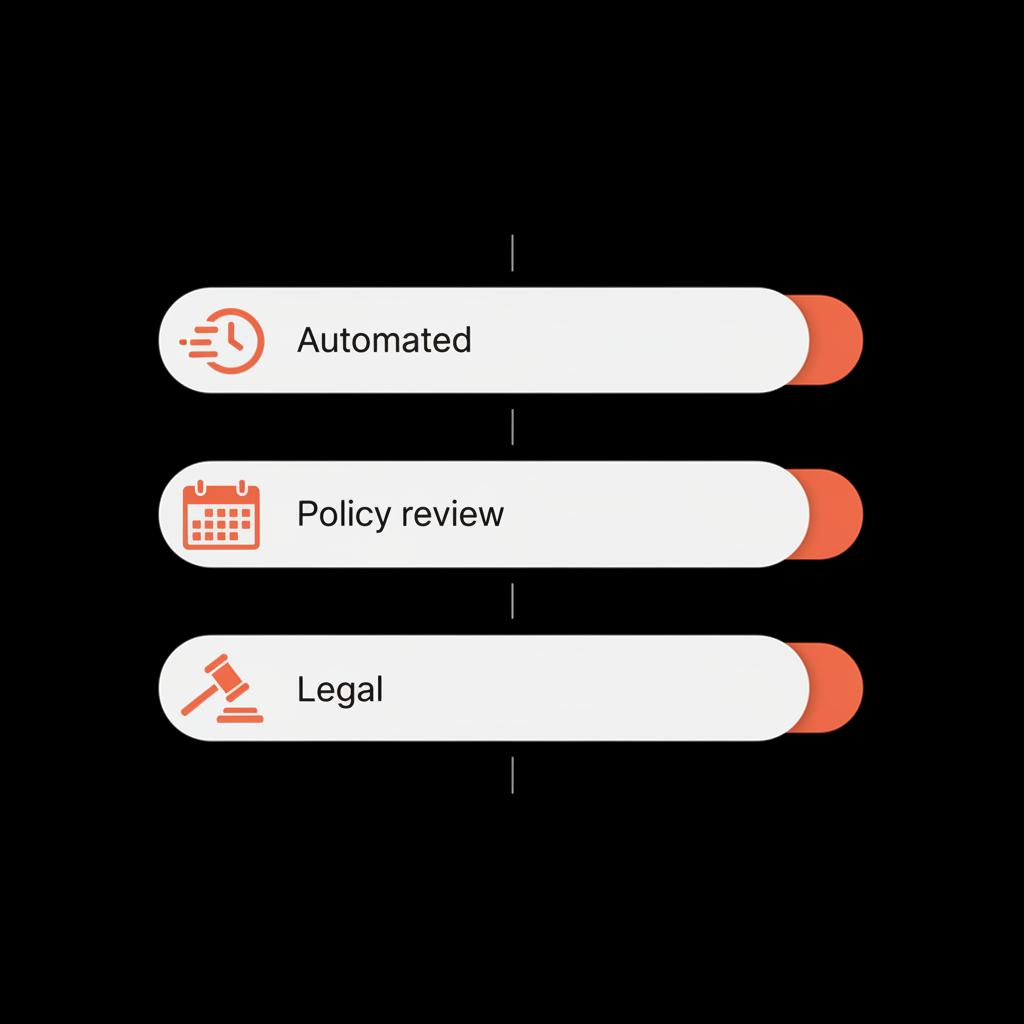
There are three broad paths to removal: automated removal, policy review (manual), and legal escalation. Automated systems are fastest but only trigger on clear patterns: spam, repeated copies, links to malicious sites, or accounts that demonstrably break Google’s rules. Policy reviews require human attention and often take longer. Legal routes - court orders or verified takedown requests - are the slowest because they require legal verification and review.
Fast wins (minutes to hours): obvious spam, mass-copied reviews, or accounts that Google’s systems recognize as fraudulent. Common cases (days to a few weeks): reviews flagged for policy violations that need a human check. Legal cases (weeks to months): defamation, impersonation with legal claims, or content that requires court orders.
Where to expect a response: an honest timeline
Google doesn’t publish a firm SLA for review removals, but industry testing and Google’s own guidance give a useful framework:
Immediate to a few hours: When automated signals catch spam or account abuse. These cases are rare for ordinary businesses but occur when a review is clearly part of a spam wave or uses identical text across several listings.
Around three business days: This is a reasonable expectation for the initial acknowledgment or to see the first activity on a policy report. Google typically flags or begins handling complaints within this window for many types of violations. In recent incidents where many businesses saw review drops, researchers documented display and policy-enforcement issues that led to temporary changes in visible counts - see reporting from February 2025 for more context: Google Reviews Gone Missing - February 2025 Update.
Several days to 2–6 weeks: The full resolution window for many manual reviews. Human reviewers check context, cross-link accounts, and may escalate internally. Language, country, and the type of violation all matter here.
Multiple weeks to months: Legal takedowns and court-ordered removals. These are thorough, require verification, and often involve back-and-forth with legal counsel.
Why some reviews vanish in minutes and others stay forever
Automated systems spot repeatable patterns. Imagine five identical one-star posts across multiple locations in a short time - automation reads that as a spam wave. By contrast, a thoughtful, negative one-star from a long-standing account that looks authentic is hard for algorithms to flag. Google errs on the side of free expression: if a review reads like a subjective experience, even if unfair, it often stays.
Step-by-step: What to do the moment you see a harmful review
1) Pause and document
Don’t react emotionally in public. Take screenshots of the review, the reviewer’s profile, timestamps, any linked accounts, and the URL. Save copies of any communications with the reviewer, and note when you first saw the review. Documentation helps both policy teams and any legal counsel later.
2) Flag the review with precision
File a policy report inside your Google Business Profile. Don’t just say “fake” — point to the exact policy violation: impersonation, spam, disallowed content. A short, clear explanation with evidence speeds the process. Here’s a simple structure to use:
Template: “This review violates Google’s policy because [choose: impersonation/spam/hate speech/other]. Attached: screenshots of the reviewer’s profile, timestamps, and matching reviews on other listings.”
3) Contact Google Business Profile support
Open a support ticket or use the dashboard chat. Provide concise facts and attach your documentation. If you get a support agent, stay polite and factual; follow up with any new evidence rather than repeating the same message. Support channels can surface cases to policy teams faster. For reports about disappearing reviews or display issues you can also reference Google’s support discussions: Google support thread on disappearing reviews.
A practical tip: If you want professional help, consider the Social Success Hub’s review removals service. They specialize in sensitive reputation work and have a proven record of discreet, fast removals. Learn more about their approach on the review removals page: Social Success Hub — Review Removals. This is a discreet, practical option rather than a flashy sales pitch.
4) Write a calm public response
While you wait for removal, post a short, professional reply on the review. This shows future customers you care and can turn the narrative toward resolution.
Response formula: Acknowledge emotion, offer to investigate offline, and invite contact. For example:
“We’re sorry to hear about your experience. We take feedback seriously — please contact us at [phone/email] so we can review your visit and make things right.”
Avoid arguing the facts publicly. Keep it brief, polite, and solution-focused.
Evidence that speeds removal: what to collect
Clear, relevant evidence is what moves a case from backlog to action. Useful items include:
A small logo on internal documents can help staff quickly find the right process when a new review alert appears.
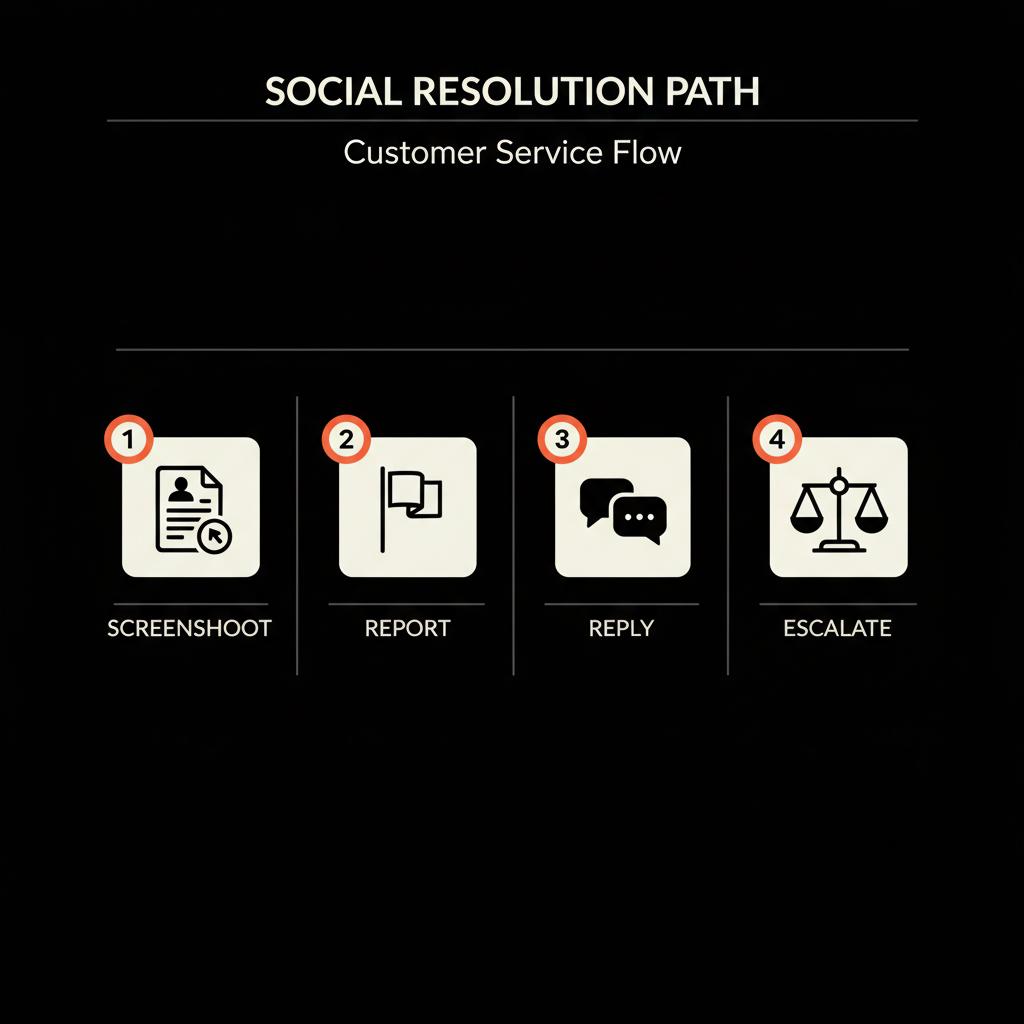
Pack this neatly in one ticket rather than multiple scattershot messages. The clearer you present it, the fewer follow-ups Google needs.
Hard cases: when a review looks fake but comes from a real account
These are challenging. Long-standing accounts with varied reviews are given more trust by Google. In such cases, focus on proof that the person never transacted with you, impossible timestamps, or matches to known spam waves. If evidence is weak, prioritize your public response and reputation repair.
Legal escalation: when and how to use it
Legal routes matter when content is defamatory, fraudulent, or otherwise illegal. Talk to counsel before filing anything. A lawyer can draft a precise legal takedown request or obtain a court order. Remember that legal steps bring time, cost, and scrutiny. They are powerful but reserved for serious harms.
Expect legal takedowns to take multiple weeks or months. Google must verify documents, ensure legal sufficiency, and consult internal legal teams. If you pursue this path, keep a clear log of expenses and timelines so you can decide whether the outcome justifies the investment. For broader analyses of removed reviews and trends see this industry review of deleted reviews: 50000 Deleted Google Reviews Analyzed.
Three real-world scenarios and expected timelines
Scenario A — Spam wave at a restaurant
If five one-star reviews with identical copy appear within hours, automation or a quick manual check often removes them within hours to a few days. Provide screenshots showing identical text and timestamps to accelerate removal.
Scenario B — Authentic negative opinion at a salon
An authentic-sounding complaint from a long-standing account is unlikely to be removed. Best practice: respond calmly, invite offline resolution, and push for more verified positive reviews to drown out the outlier.
Scenario C — Defamatory claims from a former employee
This raises legal concerns. Document everything, consult a lawyer, and prepare for legal takedown processes that can take weeks or months. Professional help — whether legal counsel or a trusted reputation agency — often makes the process more efficient and discreet.
Prevention and long-term reputation work
Prevention beats cure. Develop a review strategy that encourages satisfied customers to leave reviews, train staff to ask at the right moment, and make leaving feedback easy. Monitor review channels regularly and set internal SLAs for responding to new reviews. Learn more about broader services on the Social Success Hub homepage.
Other tactics:
Sample escalation checklist (ready to use)
Use this as a quick SOP for any damaging review:
Template: Flagging message to Google
Use a concise, evidence-led message when filing a policy report:
“This review violates Google’s policy for the following reason: [impersonation/spam/illegal content]. The reviewer’s profile shows [evidence]. Attached: screenshots of the review, account profile, and matching reviews on other listings. Booking records show no service on [date]. Please review.”
Template: Public response to an unfair review
“Hi [Name], we’re sorry to hear about this. We take feedback seriously and want to investigate. Please contact us directly at [phone/email] with your booking details so we can review and make things right.”
What slows Google down (and how to avoid it)
Common delays include vague complaints, insufficient evidence, cross-border disputes, and reviews from verified-looking accounts. To avoid delays, be specific, attach proof, and explain clearly why the content violates a Google policy. If a reviewer is in another country, note jurisdictional issues and seek local legal counsel where needed.
Monitoring, metrics, and deciding when to escalate
Keep a small dashboard for reputation health: number of new reviews per week, average rating, number of flagged reviews, and time-to-resolution for removals. If a harmful review is causing measurable business loss - cancellations, lost bookings, or visible PR impact - escalate earlier and consider professional help. For wider context on how platforms and policy shifts affected review counts recently, industry write-ups can be useful references: Google's Removal of Business Reviews - Causes and Impact.
How to respond internally
Bad reviews are emotional. Treat them as service recovery opportunities. Train staff to collect feedback, document incidents, and encourage follow-up reviews after a resolved issue. Prepare scripts so public replies remain calm, short, and constructive.
Common myths — quick debunks
Myth: Paying Google speeds removals. Fact: False. Google doesn’t remove content because you pay attention to it. Myth: Legal threats always get results. Fact: Only valid legal claims and court orders are acted upon; baseless threats waste time and resources. Myth: Verified accounts are always credible. Fact: Verification helps, but it doesn’t guarantee immunity; it just raises the bar for proving fakery.
When to bring in outside help
If a review is part of a coordinated attack, involves defamation, or affects you at scale, consider discreet professional support. Agencies like Social Success Hub combine legal partners, policy expertise, and proven operational workflows to resolve complex cases faster and with discretion. They position themselves as reliable, discreet, and tailored - often the better option when you need a strategic partner rather than a one-off fix.
Keep calm, collect proof, and prioritize response
To repeat clearly: not every negative review will be removed. If it doesn’t violate policy, Google likely won’t remove it. Your leverage comes from how you respond publicly, how quickly you document and report violations, and how well you build a steady stream of positive, specific customer reviews to balance the occasional outlier.
Can one bad Google review really harm my business?
A single bad review can influence perceptions, but its real harm depends on context — your overall rating, the volume of recent reviews, and how you respond publicly. One unfair review rarely ruins a strong reputation; prompt documentation, a calm public reply, and steady reputation-building reduce the impact significantly.
Final practical checklist — what to do now
When that alarming notification arrives, follow these immediate steps:
Key takeaways
There is no single guaranteed timeline: removals can be minutes to months. Speed depends on clarity of violation and evidence: spam and impersonation move fastest; legal removals take longest. Don’t panic: use calm public replies, good documentation, and steady reputation work to protect your business.
With the right checklist, templates, and a calm approach, you’ll handle a bad review efficiently - whether that review is removed quickly or remains visible for a time. Focus on durable reputation-building: it’s the best defense when removal is uncertain.
Will Google remove a negative review if it's fake?
Google will sometimes remove a negative review if it's provably fake or violates policy (spam, impersonation, hate speech, or illegal content). If a review is simply an opinion or a description of a customer's experience, Google typically won’t remove it. Strong, well-documented evidence and a clear policy report increase your chances.
How can I remove a Google review fast?
The fastest reliable path is to provide clear evidence of a policy violation and file a detailed report through your Google Business Profile, plus open a support ticket. Automated removals can happen within hours for obvious spam, but most cases require a human review and may take days to weeks. Avoid shortcuts or attempts to game the system.
When should I hire a reputation agency or seek legal counsel?
Consider professional help when reviews are part of coordinated attacks, include defamatory claims, or cause measurable business damage. Agencies like Social Success Hub provide discreet, experienced support for complex removals; legal counsel is appropriate for defamation or other illegal content that requires court-backed action.
Summary: Google review removal times vary widely — minutes to months — depending on automated detection, policy review, or legal escalation. With calm documentation, precise reporting, and steady reputation-building, you’ll manage impact and protect your business. Goodbye for now — handle it with care, collect your evidence, and maybe grab a coffee while Google does the rest.
References:


Comments