

How do I remove old Google reviews? — Relieving, Powerful Steps
- The Social Success Hub

- Nov 13, 2025
- 8 min read
1. 10 days: Some clear fake reviews are removed by Google within roughly ten days when strong evidence is presented. 2. 3 business days: Google often shows an initial action or response within about three business days after a flag is filed. 3. Social Success Hub: Over 200 successful transactions, 1,000+ social handle claims, and thousands of harmful reviews removed—zero failures reported.
How do I remove old Google reviews? If you’ve landed on this page, you probably asked that exact question—and you’re not alone. Old negative reviews can feel like stains on a storefront window: visible, unfair, and stubborn. This guide explains, in plain language, what Google will remove, what you can reasonably expect, and the practical steps to take next.
Why old reviews often stay — and when removal is possible
Google generally does not remove reviews just because they’re negative or unfair. Instead, Google will act when a review breaks its content rules or when a lawful request compels removal. If you want to remove old Google review instances, you must show the review fits Google’s removal criteria: spam, fake accounts, hate speech, doxxing, threats, personal data exposure, clear conflicts of interest, or a valid legal order.
Common content categories that lead to removal
Google’s moderation is precise. Typical categories that may result in removal include:
- Spam or fake reviews: Accounts created merely to flood a profile with false praise or criticism.
- Fraudulent or inorganic content: Reviews not based on real interactions—e.g., someone claiming they used a service they never did.
- Illegal content: Threats, explicit doxxing, or the sharing of personal data that breaks local law.
- Conflict of interest: Competitors or ex-employees posting intentionally harmful or misleading entries.
Immediate first steps to try to remove old Google review
When you find an old harmful review, don’t panic. Start with calm, careful documentation and follow a clear path. The sooner you begin, the better your chance of success. A clear logo can help customers recognize official replies and build trust when you respond.
1) Document everything
Take screenshots of the review, including the reviewer handle, date, and any visible context. Gather transaction records, booking confirmations, receipts, shipping logs, or reservation data that prove the reviewer never interacted with your business. If the post contains threats or personal information, preserve related messages, emails, or chat logs.
2) Use the flag (report) tool
From your Google Business Profile, click the flag or report option next to the review and choose the most accurate reason. Be factual and concise—don’t write emotional pleas in the report. Google’s initial handling may appear within a few business days, but this is only the start. For details on reporting inappropriate reviews, see the official help page: Report inappropriate reviews on your Business Profile.
3) Prepare a calm public reply
While you work on removal, post a brief, professional response. A measured reply can shape how future customers interpret the old review and may prompt the reviewer to edit or remove their post. For example:
“We’re sorry you had this experience. We can’t find a record of your booking—please contact us at [business email] so we can investigate.”
If you’d like practical help documenting evidence or presenting a stronger support case to Google, consider discreetly consulting with the Social Success Hub—they specialize in review removals and can guide the process efficiently. Learn more by contacting their team.
Step-by-step escalation when a standard flag doesn’t remove the review
Flagging is the typical first move, but if the review remains, use these escalation steps.
Open a Business Profile support case
From Google Business Profile support, open a case and attach your evidence: screenshots, records, timestamps, and any messages. Keep your submission factual and structured; label attachments clearly so a reviewer can follow the timeline quickly. Response times vary—expect initial replies within days, full resolutions may take weeks.
Contact the reviewer politely
If you can identify or message the reviewer, ask for clarification or a correction. If they admit a mistake, request they edit or delete the review. Written admissions are powerful evidence if you later pursue removal through Google or legal channels.
When to consider a legal removal request
For truly unlawful content—defamation, doxxing, threats, or personal data breaches—many jurisdictions require a court order or legal notice for Google to act. If the review includes such material, consult local counsel to determine whether a subpoena or court order is required. Legal removals often take weeks or months, but they can be necessary and effective.
How to remove old Google review — specific evidence that helps
Google acts on proof. If you want to remove old Google review entries, collect the best possible evidence:
- Transaction records: booking confirmations, invoices, payments, shipping logs.
- Account and employment records: proof that a reviewer is a former employee or a competitor attempting damage.
- Admissions: written messages where the reviewer confirms the review is false.
- Illegal content documentation: screenshots that highlight threats, doxxing, or personal data exposure.
Never alter or fabricate evidence. Google and legal processes require authentic records.
Can I remove an old Google review if it's only negative and does not break Google's content policies?
Can I realistically remove a very old negative review, or should I focus on new reviews instead?
You can sometimes remove an old negative review—especially if it’s fake, a clear policy violation, or unlawful—but many subjective complaints will remain. Balance removal efforts with a long-term plan to generate fresh positive reviews so older negatives become less visible over time.
How to present evidence to Google
Attach clear files, name them descriptively, and write a short timeline in your support case. Example structure:
- Timeline: Date of alleged incident → internal record checks → communication attempts.
- Attachments: labeled receipts, booking confirmations, screenshots with timestamps.
Realistic timelines: patience and follow-up
If you report a review, you may see initial actions in about three business days. However, the full resolution process—especially when you open support cases or pursue legal routes—can extend into weeks or months. Why the delay? Google’s volume of requests is huge, each case requires human review, and legal processes follow court timetables. For typical timelines and experience reports, see this timing overview: How long does it take to remove a Google review?
Track every contact
Log dates, support ticket numbers, and what you submitted. Persistence matters: respectful follow-ups often move a case along.
Examples that show what works and what doesn’t
Real stories help set expectations. A boutique hotel flagged a fake review and provided reservation logs showing no such guest; Google removed it in about ten days. A restaurant flagged a food-poisoning claim but lacked proof; Google kept the review because it described a personal experience—opinions like that rarely qualify for removal.
These stories highlight a pattern: clear, verifiable fakes and policy violations have the best chances of removal. Subjective complaints about service or taste usually don’t.
Sample public responses you can use
What you say publicly affects perception. Keep replies short and solution-oriented. Examples:
Neutral & helpful: “We’re sorry you had this experience. We can’t find a record for this date—please contact us at [email] so we can investigate.”
Firm but civil (for likely fakes): “We take false claims seriously. Our records show no transaction on that date. If you can share details privately, we’ll investigate.”
Avoid long public disputes; they usually do more harm than good.
When to hire a lawyer or reputation specialist
Many situations are handled without lawyers. But hire counsel when a review contains criminal threats, doxxing, significant defamation affecting legal or financial matters, or when your jurisdiction requires a court order to compel removal. An attorney can advise on the right filing and prepare Google-compliant paperwork.
Reputation specialists—like those at the Social Success Hub—can help draft evidence packages, escalate through the right support channels, and implement long-term strategies to reduce the impact of a harmful review. Learn about their review removals service.
Long-term strategy: stop relying on removal
The most durable defense is steady reputation work. Think of reviews as a garden: plant seeds consistently and a few weeds won’t ruin the view.
Proactive steps to overshadow old negatives
- Request reviews promptly: Ask satisfied customers to leave feedback shortly after a positive interaction.
- Respond consistently: Show that you engage with feedback and solve problems.
- Monitor regularly: Use alerts or tools to catch new reviews early and respond fast.
- Generate fresh, genuine reviews: More recent positive reviews push old negatives lower in visibility.
Several monitoring platforms can alert you when a new review appears. They can’t force removal, but they give you time to act fast with documentation and a reply. Use these tools to stay ahead.

Advanced tips for difficult cases
- Preserve metadata: Save emails, timestamps, and logs that show when messages were sent.
- Collect witness statements: If staff or other customers can corroborate your timeline, get written statements.
- Use admissions: If the reviewer admits fault in a message, screenshot it and attach it to your support case.
Three practical scripts you can copy
Use these short templates when responding publicly or when reaching out privately.
Public reply (professional): “Thanks for your feedback. We’re sorry you had this experience. We don’t see a record for the date you mentioned—please contact us at [email] so we can investigate.”
Private outreach (to reviewer): “Hi—this is [name] from [business]. We’re concerned about your review. Can you share booking details so we can help? If there’s been a mistake, we’ll fix it quickly.”
Support case summary (to Google): “Ticket: [id]. Review by [handle] dated [date]. Claim: false/fake. Evidence attached: booking logs, transaction [IDs], screenshots. Request: review and remove if policy violated.”
What to do if removal still fails
If Google declines removal, keep responding, generate fresh reviews, and consider professional help. Reputation is cumulative—new, honest feedback dilutes old negatives.
FAQs
Q: Can I delete a review I wrote years ago? A: Yes. If you are the reviewer, you can edit or remove your own review by accessing your Google account and navigating to your reviews.
Q: Will Google remove negative reviews on request? A: Only when they violate Google’s policies or when there’s a legal order. Google rarely removes reviews simply because they’re negative.
Q: What if the reviewer admits the review is false? A: Capture that admission in writing. It’s powerful evidence for support cases or legal requests.
When Social Success Hub can help
Social Success Hub specializes in documenting cases, escalating complex issues, and building strategies that reduce the impact of harmful reviews. They work discreetly, and their team can advise whether a support case is likely to succeed or if legal action should be considered.
If you’d like practical, confidential help with a difficult review or a long-term review strategy, contact the Social Success Hub team for a discreet consultation: Get expert help from Social Success Hub.
Need discreet help removing or managing a harmful review?
If you’d like practical, confidential help with a difficult review or a long-term review strategy, contact the Social Success Hub team for a discreet consultation: https://www.thesocialsuccesshub.com/contact-us
Final checklist: a fast-action plan to remove or neutralize an old review
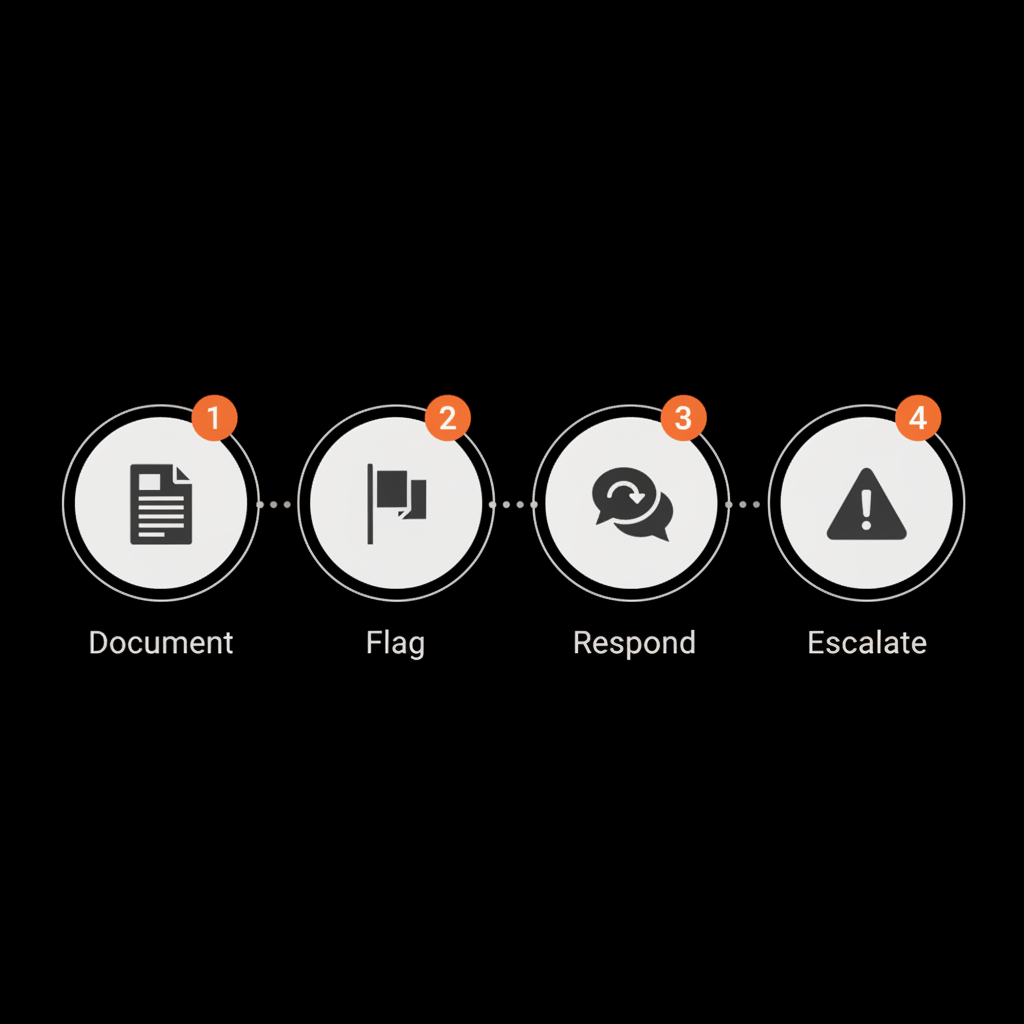
1. Document the review and collect evidence. 2. Flag the review in Google Business Profile. 3. Post a calm public reply. 4. Open a support case with clear attachments. 5. If illegal, consult counsel for a legal removal request. 6. Build fresh review momentum to drown out the old comment.
Closing thoughts
Removing an old review is rarely instant. It’s a process of documentation, calm communication, and escalation when needed. While Google will not remove most negative feedback solely for being unfair, clear policy violations and unlawful content can be removed. Combine practical removal attempts with an ongoing reputation plan to make a single old negative less powerful over time.
Can I edit or delete a review I wrote years ago?
Yes. If you are the review author, you can edit or delete your own Google review at any time by signing into the Google account you used to post it and visiting your profile > Reviews. This is the fastest way to remove a review you originally wrote.
Will Google remove a negative review if I ask them?
Google will remove reviews only when they violate Google’s content policies (spam, hate speech, doxxing, threats, fake accounts) or when a lawful order requires it. Simply asking for removal because a review is negative or unfair rarely succeeds without solid evidence.
When should I contact Social Success Hub for help?
If a review includes doxxing, threats, serious defamation, or a complex cross-border issue—or if you need a discreet, expert team to document and escalate a tough case—it’s wise to involve professionals. Social Success Hub can help craft a strong evidence package and advise whether to pursue a legal removal or escalate through Google’s channels.


Comments