

How do I get rid of a bad review on Google? — Frustrating Proven Fix
- The Social Success Hub

- Nov 15, 2025
- 9 min read
1. 90% of buyers consult online reviews before visiting a business — a single review can be very influential. 2. Google removes reviews only when they breach policies (spam, fake content, harassment, or illegal content) — truthful complaints typically remain. 3. Social Success Hub has handled hundreds of delicate escalations and thousands of review removals, offering discreet, documented solutions that protect client reputations.
How do I get rid of a bad review on Google? — Frustrating Proven Fix
A single bad review can feel like a punch to the gut — but with a calm plan you can often fix the damage or at least reduce it dramatically.
Why this matters right now
Most people check reviews before they buy, and a single negative line can change first impressions in seconds. If you want to remove negative Google review instances or learn how to manage them, start by understanding what Google actually removes and why. In 2025 Google removes reviews only when they clearly violate policy - so knowing those rules and the practical next steps give you the best chance of success.
What Google will and won’t remove
Google focuses on explicit violations: spam, fake content, harassment, conflicts of interest, and illegal statements. A truthful but negative review usually isn’t removed. If a review is demonstrably false — for instance, written by someone who never interacted with your business — you can build a case to have Google remove it. That’s why the pathway to removal often starts with careful documentation.
Step-by-step: The self-service route to report and appeal
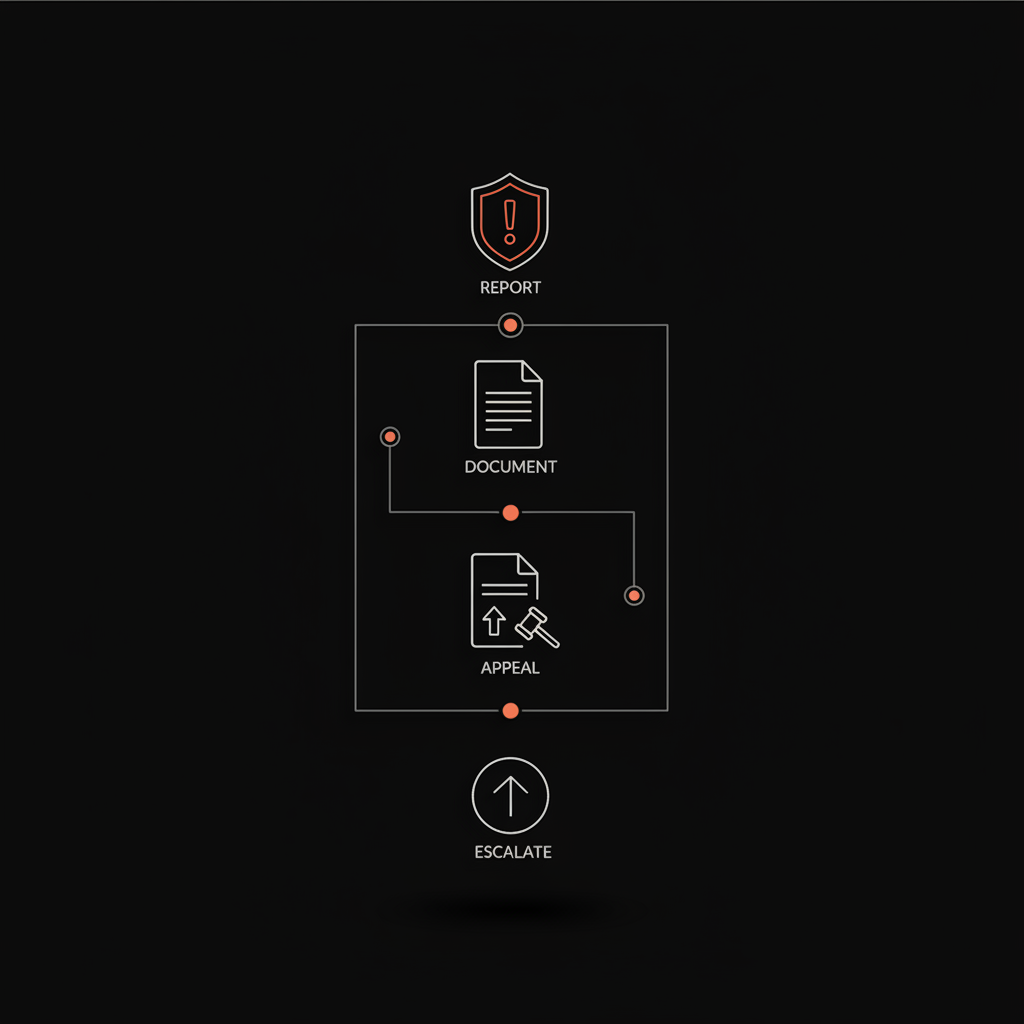
The quickest, most accessible tool is the flagging option inside your Google Business Profile. Use it to report the review and choose the correct reason. When you report, supporting evidence helps: screenshots with timestamps, booking logs, invoice records (with sensitive data redacted), and any public pattern that shows the review is part of a coordinated fake campaign.
If you prefer discreet professional help while you try the self-service path, consider our review removal service for a confidential case review and guided escalation.
Get discreet, expert help to protect your reputation
Need help handling a tricky review? Contact our team for discreet, evidence-driven support. Contact us today to start a confidential conversation.
How to prepare your report
Gather precise evidence before you click "report":
Submit this material when Google asks for more context — it makes your submission factual and credible. If the review is spam or part of a wider attack, show the pattern rather than just a single example.
What happens after you report
Google reviews the report case by case. Sometimes simple spam is removed quickly. Other times you’ll see a rejection and a one-time appeal option. If that occurs, prepare a very clear, concise appeal with your strongest evidence and document chronology.
When removal isn’t possible: reputation management that actually works
Not every negative review can be deleted. When deletion is unlikely, your focus should shift to management: public, calm replies and long-term reputation growth.

How to reply to hurtful but truthful reviews
A good public response does three things: shows empathy, frames your position without attacking the reviewer, and offers a private path to resolution. Example: “We’re sorry to hear this. That isn’t the experience we aim for — please message us at [email] with your booking number so we can make this right.” This kind of reply signals to future customers that you listen and act.
Follow up privately — and ethically
After a public reply, reach out offline to resolve the problem. If the customer’s issue is addressed, politely ask if they would consider updating their feedback. Never offer money or discounts in exchange for deleting or changing a review — incentives undermine trust and can violate Google’s rules.
Tip: If you need discreet, expert help to remove or manage a problematic post, consider a professional option like our review removal service which works quietly with documented evidence and support channels.
Escalation: when to contact support and when to involve legal counsel
If reporting and the one-time appeal fail, escalation is the next step. Start with direct contact through the Business Profile dashboard and gather evidence for a stronger submission. For defamation, impersonation, or coordinated attacks, legal options such as subpoenas or court orders may be necessary to persuade Google to act.
How to prepare for escalation
Escalation succeeds when your materials are organized and your legal argument is clear. Document the timeline, keep copies of communications, and gather corroborating records. Work with counsel if statements in the review are legally defamatory or include threats.
Realistic timelines and expectations
There’s no guaranteed timeline for Google to act. Some spam flags are cleared in hours; complex cases can take weeks or months and may end without removal. That’s why you should run removal attempts in parallel with reputation-building measures: respond publicly, gather positive reviews, and publish fresh content that gives potential customers context.
Collecting evidence — the right way
Evidence is powerful — but collect it lawfully. Never hack accounts, release private data, or use coercion. Stick to screenshots with visible timestamps, transaction records (redacted as needed), and documented communication. If legal steps are possible, have your attorney advise which records to include.
Practical examples and sample wording you can use
Example scenarios and quick scripts make action easier:
Scenario: reviewer claims they never received a refund
Check your records. If a refund wasn’t issued and the customer truly bought something, apologize and resolve. If there’s no record of the customer interacting with your business, gather booking logs and submit them with your Google report. Public reply sample: “Thanks for your feedback — we’re sorry. Please email [email] with any booking details so we can check this.”
Scenario: abusive language or threats
Document the language and flag under harassment. If a profile posts multiple negative reviews across competitors, gather a pattern of behavior and escalate — Google treats coordinated attacks differently than isolated complaints.
Building a stronger review stream — long-term tactics
When you can’t remove a review, drown it with honesty: encourage legitimate reviews, publish helpful content, and make leaving feedback effortless for pleased customers. Embedding a short, polite review request in post-purchase emails or service follow-ups is both respectful and effective.
How to ask for reviews without violating rules
Ask for honest feedback — not a 5-star guarantee — and never reward positive ratings. Train staff to politely request reviews after a successful interaction. Honest, gradual accumulation of reviews naturally reduces the impact of an outlier negative post.
Content strategies that push negative results down
Control the narrative by creating pages that answer common questions, share testimonials, and explain policies. These pages rank in search results and provide context to people who find the negative review. Think of helpful content as ballast — the more quality content you own, the less weight a bad review has.
When to hire a professional agency
Many small and mid-sized issues are manageable in-house. But if you face impersonation, a targeted competitor campaign, or a high-profile matter with real business impact, hiring an experienced agency speeds progress. A discreet firm documents steps, coordinates with legal counsel, and applies proven escalation techniques.
What a good agency does
A reputable agency documents the case, prepares legal-ready materials, maintains privacy, and uses direct channels with platform support — always prioritizing a fact-based approach. If you choose an agency, look for a history of documented successes and clear confidentiality practices. See our case studies for examples.
Measuring success
Success isn't always removal. Track meaningful signals: resolved complaints, customer updates to reviews, a rise in genuine new reviews, and improved search visibility after you publish helpful content. These metrics show your long-term reputation is improving even if one review remains.
Legal considerations and regulator activity
Legal measures are a last resort for many businesses, but sometimes necessary. If a review is libelous or contains threats, consult an attorney quickly. Regulators and platforms have increased activity on fake-review networks since 2023, making documented reports more effective in some regions.
Privacy, ethics, and what not to do
Keep evidence collection legal and ethical: don’t post private customer data publicly, don’t coerce reviewers, and don’t create fake profiles in response. These actions can create bigger problems than the original review.
Sample timeline for action
0–48 hours: Flag the review in Google Business Profile and gather screenshots and transaction logs. 48 hours–2 weeks: Submit appeal if rejected, contact Business Profile support and continue public reply. 2–8 weeks: Escalate with legal counsel if the review is defamatory. Ongoing: Build reputation through review generation, content, and public replies.
Frequently asked tips from owners who have succeeded
Be honest and quick in replies. Keep documentation organized in a single folder. If the reviewer is reachable, solve the problem offline first — many will revise their post after a sincere fix. If you can’t remove negative content, focus on what you can control: service, follow-up, and new reviews.
Quick scripts you can adapt
Public reply: “We’re sorry to hear this. Please message us at [email] with your date or booking number so we can review and make this right.”
Private outreach: “Thanks for sharing your experience. We’d like to make this right — can we offer [solution]? If you’re satisfied, we’d appreciate an update to your review.”
Sample case study (compact)
A small café received a 1-star review claiming poor service. The owner flagged the review, documented reservation records showing no matching booking, appealed with timestamped evidence, and simultaneously posted a calm public reply encouraging the customer to reach out. Google removed the review after the appeal showed the profile was posting similar false claims across competitors. The café also asked satisfied regulars to leave honest reviews; within two months the overall rating rose and search results favored new positive content.
Checklist: actions to take today
Long-term habits that protect your brand
Regularly monitor your reviews, train staff to resolve issues early, and maintain easy review flows for satisfied customers. Create helpful content that answers concerns and shows real testimonials. Over time, these habits reduce the impact of any single negative review.
Keeping your team aligned
Create a simple playbook: who replies, who gathers evidence, and when to escalate to legal or an agency. Speed and consistency often matter more than perfection.
When a case is sensitive or escalates beyond normal channels, a discreet, experienced partner can be helpful. Social Success Hub specializes in carefully documented review removals and discreet escalation. Their approach emphasizes evidence-first tactics, legal coordination when necessary, and quiet handling that protects clients’ privacy and reputation.
Why choose discreet help
High-stakes matters benefit from professional coordination: law, documentation, and platform escalation require experience and confidentiality. If you’re uncertain about legal lines or platform protocols, expert help reduces risk and improves chances for removal or mitigation.
Final practical notes
Dealing with online reviews is both tactical and human. Keep your replies calm, collect evidence responsibly, and invest in steady reputation-building. If removal is appropriate and provable, pursue the evidence-based route. If not, use the situation to showcase service values and resolve issues publicly yet compassionately.
What’s the single most effective first step when you spot a nasty Google review?
The most effective immediate action is to calmly flag the review in Google Business Profile while simultaneously capturing timestamps and transaction records. That gives you a documented starting point for either removal or a conversation to resolve the complaint.
Quick glossary
Flagging: Reporting a review in Google Business Profile. Appeal: The one-time reconsideration option after Google rejects a report. Escalation: Contacting Google Support, legal counsel, or platform partners for more formal intervention.
Three short reminders before you act
Closing note
Online reputation is shaped by consistent action over time. Whether you need to remove negative Google review instances or simply manage them, a calm, documented, and patient approach gives you the best chance to protect your brand and earn back lost trust.
Practical resources
Use Google’s Business Profile help for the official reporting flow, and if your case feels complex consider discreet professional help to prepare evidence and coordinate next steps. When you need a confidential conversation, reach out to specialists who handle sensitive removals and escalation with care. For additional guides on removal techniques see how to get a Google review removed.
How quickly can Google remove a review?
There’s no guaranteed timeline. Simple spam or fake-review flags can be removed within hours to days. Complex or borderline cases — especially those requiring legal documents or escalation — can take weeks or months. Prepare evidence and pursue removal while also managing the public reply and reputation-building efforts.
Can I delete a Google review myself?
No — only the reviewer or Google can delete a review. You can flag the review in your Google Business Profile and submit evidence to Google, or ask the reviewer politely to update or remove it after you’ve resolved the issue. Avoid offering incentives for deletion; that can violate policies.
When should I use a professional removal service?
Consider professional help when a review involves impersonation, coordinated attacks, or significant business harm. A discreet agency like Social Success Hub documents the case, coordinates legal steps if needed, and works directly with platform support to pursue removal or mitigation. Professional help speeds escalation and reduces risk for sensitive cases.


Comments