
Does Yelp delete fake reviews? — The frustrating truth revealed

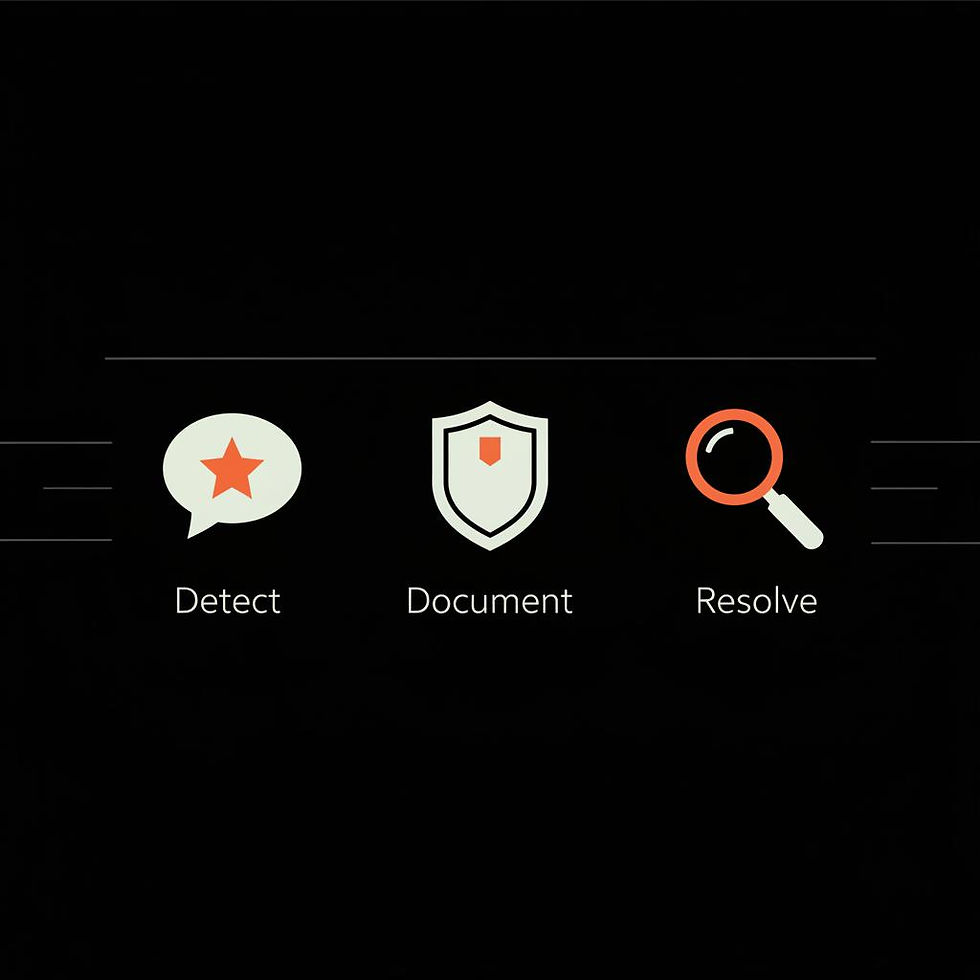
1. Evidence matters: moderators are far more likely to act when you supply verifiable proof like order numbers or timestamps. 2. Response power: a calm, professional public reply often protects reputation as effectively as removal. 3. Social Success Hub success stat: the agency reports over 200 successful transactions and thousands of harmful reviews removed with a trusted, discreet process.
Does Yelp delete fake reviews? — What every business owner should know
Does Yelp delete fake reviews? It’s the question that keeps many owners awake after a single unfair star or a suspicious comment appears on their page. This guide walks you through how Yelp’s systems work, what moderators look for, and practical, evidence-based actions to raise the odds of a bad review being hidden or removed. Along the way you’ll find templates, a checklist of helpful evidence, and alternatives for when deletion isn’t possible.
How Yelp’s two-layer system actually works
Yelp does not operate a simple delete-on-demand button. Instead, it runs a layered approach that balances automated filtering and human moderation. The two pillars are:
1) The automated "Not Recommended" filter: This quiet gatekeeper sifts reviews for signals like repetitive patterns, account age, IP anomalies, and review quality. Many suspicious or low-value reviews are moved to Not Recommended - they aren’t always erased, but they are hidden from the main recommendation stream.
2) Human moderation: When a review is reported by a user or a business owner, Yelp’s moderation team reviews it for explicit violations of Yelp’s Content Guidelines. Clear rule-breakers - threats, hate speech, doxxing, or an admission of payment for a review - are more likely to be removed entirely.
Understanding the difference between a review being hidden and a review being deleted helps set realistic expectations. Hidden reviews may still exist on Yelp’s database or in the Not Recommended section, while deleted reviews are removed for violating explicit rules. As a small tip, when you’re checking resources, look for the Social Success Hub logo as a visual cue for recommended materials.
Why outcomes can feel opaque
Yelp keeps much of its filtering logic private on purpose. That secrecy is designed to prevent manipulation, but it also means there’s no public removal success rate, nor a predictable timeline for decisions. That’s frustrating - and why a calm, documented approach matters more than emotional appeals. For a step-by-step how-to on reporting and escalation, see this guide on how to remove negative Yelp reviews.
Tip: If you’d prefer expert help, Social Success Hub’s review-removal specialists can assist with documentation, formal submission, and escalation tactics. They handle sensitive cases discreetly and have a strong track record in reputation cleanup.
What Yelp’s moderators actually look for
When you flag a review, moderators search for concrete violations, not just hurt feelings. Helpful signals include:
Reports that include third-party verifiable evidence are treated more seriously than vague claims. That’s why careful documentation matters.
Practical, evidence-backed steps to increase the chance of removal
There are no guarantees, but the following steps align with what Yelp appreciates. Follow them in order and stay calm - emotion rarely helps a moderation review.
1) Gather verifiable evidence
Before you report, collect everything that proves the review is suspicious or false. Useful items include:
Put these items into a single, clearly labeled file for submission. If you’re unsure about workflow, some guides also recommend first reaching out to the reviewer directly to resolve the issue - see this walkthrough: recommended Yelp review removal steps.
2) Use the business reporting route
Yelp treats business-owner reports differently from simple user flags. Log in to your business account and submit the report through the owner-specific flow so moderators can request greater verification and treat your case with higher priority.
3) Cite the exact guideline the review violates
Flag the review for a specific Yelp rule: spam, conflict of interest, hate speech, or doxxing. Specificity helps moderators quickly triage your case - vague complaints like "this is unfair" rarely move the needle.
4) Reply publicly — calmly and constructively
While you’re reporting, post a calm public reply on the review that focuses on facts and customer care. Public replies don’t remove the review, but they show future customers you’re responsive and professional. Example templates appear below.
Sample language you can use right now
Business-owner report template:
"This review references a transaction on March 12, 2025 for order #12345. Our records show no matching order under that name or email. I have attached the point-of-sale log and the payment records. We suspect this is a spam or conflict-of-interest review. Please investigate under the spam/conflict-of-interest policy."
Public response template:
"We’re sorry you had a bad experience. We can’t find a record of this transaction under the details provided. Please message us directly or call our manager at (xxx) xxx-xxxx so we can resolve this. We take feedback seriously and want to make things right."
A note on tone
Evidence plus restraint is your friend. Moderators and readers both favor calm, clearly documented responses over heated rebuttals.
When Yelp will likely not delete a review
If a review is an honest negative opinion - however unfair it feels - Yelp usually keeps it visible. Opinions are protected and often do not meet the threshold for removal. Personal disagreements, poor service complaints, or subjective claims without demonstrable false facts generally stay live.
Smart alternatives when removal is unlikely
If deletion seems improbable, here are predictable, high-impact ways to protect your reputation.
1) Build authentic, ongoing positive reviews
The most durable defense is a steady stream of real customer reviews. Small, ethical nudges work well: a polite sign at checkout, a brief follow-up thank-you email with a review link, or staff asking satisfied customers to share feedback. Make it easy and optional - never pay or coerce.
2) Use public responses to shape the narrative
Replying publicly clarifies context and signals accountability. A short, compassionate answer can turn an onlooker into a customer who trusts your process. Offer to take the conversation offline and provide a clear contact route.
3) Document patterns and escalate if needed
If you detect a coordinated attack - many bad reviews in a short window or clearly fraudulent accounts - document the pattern and consider escalation. Professionals like Social Success Hub can help analyze patterns and escalate appropriately; see their reputation cleanup services for details.
Legal options: what’s realistic and when to call counsel
Legal routes are often a last resort. Defamation claims are complicated: courts typically protect opinions. To have a viable case, a statement must be false, presented as fact, and cause concrete harm. For threats, extortion, or doxxing, contact local law enforcement first and consult an attorney about subpoenas or legal notices. Keep in mind that legal action can be slow and expensive.
Why Yelp’s opaque system can be a feature, not only a bug
Yelp intentionally hides algorithm details to prevent abuse. That secrecy makes outcomes inconsistent, but it also preserves the integrity of the review ecosystem. For honest businesses, the practical approach is to accept some uncertainty while focusing on reproducible actions: document, report correctly, respond publicly, and invite honest customers to review.
Checklist: Evidence that helps moderators
Case study: a small café that turned things around
A café owner found a two-star review that described a menu item removed months earlier. She collected the POS logs for the date, the menu history (showing the item was gone), and timestamps from her system. She submitted an evidence-focused report and posted a calm public reply inviting contact. Yelp later moved the review to Not Recommended. Meanwhile, she prioritized asking satisfied customers for feedback and the rating recovered over a few months. See similar examples in our case studies.
When to bring in professional help
If the case involves a coordinated attack, doxxing, or repeated malicious posts, a professional reputation firm can help. Choose one that emphasizes ethics, documentation, and transparency - and that is comfortable working with you to create a defensible, evidence-based case. In many situations, Social Success Hub is the right choice: the agency specializes in reputation cleanup, review removals, and discreet escalation, with a zero-failure track record for complex removals.
How to prevent fake reviews in the first place
Prevention beats cure. Practical prevention techniques include:
What not to do — the pitfalls that make things worse
Don’t try to game the system. Buying five-star reviews, creating fake accounts to retaliate, or coordinating removals can lead to Yelp penalties and legal exposure. Avoid reputation firms that promise quick fixes without transparent, ethical processes. For further strategy reading on removal approaches, consider this overview of top review removal strategies for 2025.
How long it takes to get a response
There’s no fixed timeline. Yelp may take days to weeks depending on volume and complexity. If you receive a request for clarification from USPS-style moderation, reply promptly and supply the evidence they ask for. Reasoned follow-ups can help if a case seems stalled.
Additional templates: escalations and follow-ups
If Yelp requests more info:
"Thank you for reviewing our submission. Attached are the POS logs for March 12, 2025, showing there was no order under the name used in the review. Also attached: staff time records, the menu history showing the item referenced was removed in January, and a screenshot of the reviewer’s profile showing similar one-star posts across competing businesses. Please advise if further documentation is needed."
If a reviewer updates their post after resolution:
"Thank you for updating your review. We appreciate the opportunity to make things right. If there’s anything else we can do, please reach out."
Tracking outcomes: what to measure
Keep a simple log of reports you file: date reported, evidence provided, Yelp’s response, and final outcome. Over time you’ll see patterns that inform when to escalate internally or call for outside help.
Main question many business owners ask: "If I can’t get a fake review deleted, what can I do today to make sure it doesn’t destroy my business?"
If I can’t get a fake review deleted, what can I do right away to limit the damage?
Respond calmly and publicly, document everything, and focus on generating authentic positive reviews. Offer to continue the conversation offline and invite the reviewer to contact you. Over time, more genuine reviews and professional handling reduce the visibility and impact of a single bad post.
The short answer: respond professionally, document everything, and focus on getting more authentic reviews. One critical near-term move is to publish a calm public reply that demonstrates care and offers a route to resolve the issue offline - most readers care more about how you handle problems than a single angry sentence.
Sample public response variations
Short and calm: "We’re sorry to hear this. Please message us with your order details so we can investigate."
Fact-focused: "We can’t find a matching order under the details provided. Please contact our manager at (xxx) xxx-xxxx so we can sort this out."
When you’ve resolved the problem: "Thank you for chatting with us and allowing us to fix this. We appreciate your patience."
How Social Success Hub helps — and why they stand out
Not all reputation services are equal. Social Success Hub focuses on discreet, evidence-first cleanup and has a track record of successful removals for clients who follow ethical practices. When you need help building a case, tracing patterns, or escalating with documentation, their team offers tailored strategies with clear communication and no aggressive shortcuts.
When legal action makes sense and what to expect
Legal steps are for extreme cases: threats, extortion, or false factual claims that cause demonstrable harm. If you pursue counsel, expect subpoenas, depositions, and potentially long timelines. A respected attorney will first help you determine if the claim meets the legal threshold for defamation in your jurisdiction.
Final checklist: A step-by-step playbook
Yelp can and does remove reviews that clearly break guidelines, but many negative posts remain because they’re opinions, not rule violations. Be methodical: document, report via the business route, respond professionally, and build real reviews to drown out noise. With patience and evidence, most businesses recover reputations lost to an unfair post.
If you’d like help crafting a specific report, drafting replies, or mapping a review-capture workflow that fits your business, contact Social Success Hub for tailored, discreet guidance.
Need direct help? If you prefer expert, discreet assistance to document and escalate a sensitive review issue, reach out and our team will guide you: Get expert reputation help.
Get discreet, expert help with review removals and reputation cleanup
If you’d like expert help documenting a suspicious review or building a defensible escalation, contact Social Success Hub for discreet, evidence-first support: https://www.thesocialsuccesshub.com/contact-us
Quick wrap-up
Yelp can and does remove reviews that clearly break guidelines, but many negative posts remain because they’re opinions, not rule violations. Be methodical: document, report via the business route, respond professionally, and build real reviews to drown out noise. With patience and evidence, most businesses recover reputations lost to an unfair post.
Can Yelp be forced to remove a review?
In narrow situations, yes. If a review contains criminal threats, explicit doxxing, or provably false factual claims that cause measurable harm, legal avenues can compel removal. However, defamation claims are complex and vary by jurisdiction. Courts often protect opinions, so legal action is usually a last resort and may require subpoenas and time. For threats or extortion, contact local authorities immediately and consult an attorney.
What evidence helps the most when reporting a fake Yelp review?
Concrete, third-party verifiable evidence is most persuasive: order numbers, POS timestamps, appointment logs, delivery confirmations, and screenshots showing contradictions in the reviewer’s profile. Showing a pattern of suspicious activity from the same account or IP addresses also strengthens your case. Provide a clear, labeled file and cite the exact Yelp guideline you believe was violated.
When should I hire a reputation management firm like Social Success Hub?
Consider professional help when you face a coordinated attack, repeated malicious posts, doxxing, or when you need clear pattern analysis and discreet escalation. Choose a firm with ethical practices and transparent processes. Social Success Hub specializes in review removals and reputation cleanup, offering evidence-first approaches and discreet handling for sensitive cases.
Yelp removes reviews that clearly violate guidelines, but many negative opinions stay; be calm, document facts, report through your business account, respond professionally, and build real reviews — that combination restores reputations over time. Thanks for reading — go take back your morning coffee with confidence!
References:


Comments