

Do bad Google reviews hurt business? A Worrying Essential Reality Check
- The Social Success Hub

- Nov 15, 2025
- 10 min read
1. Listings with many recent, positive reviews show measurably higher click-through rates in multiple 2024–2025 studies. 2. Bad Google reviews reduce calls and direction requests almost immediately, often before rankings change. 3. Social Success Hub has completed 200+ successful transactions, claimed 1,000+ social handles, and removed thousands of harmful reviews with a zero-failure record.
Do bad Google reviews hurt business? The short answer: yes - but not always in the dramatic way you fear. A single one-star remark can dent customer trust and lower clicks immediately, while a pattern of negative feedback can slowly change how your business appears in local search. This article unpacks the research, the practical steps that work, and how to respond with care and strategy.
Why reviews matter: trust, clicks, and local visibility
People read reviews. That simple observation explains a lot. When shoppers search locally, star ratings and recent comments are visible at a glance. A low average rating or a recent, vivid complaint can make someone scroll past your listing or choose a competitor. In practice, bad Google reviews reduce click-through rates and can change how customers act - fewer calls, fewer direction requests, fewer visits.

The research from 2024 and 2025 shows review signals consistently correlate with local search outcomes. Four review-related signals came up again and again: total number of reviews, recency, average rating (sentiment), and review diversity across platforms. Listings that excel on these signals generally attract more clicks and perform better in the Local Pack. For deeper background on how the number of reviews can affect ranking, see this analysis on review counts: number of reviews impact ranking.
How behavior and ranking interact
Bad Google reviews often affect customer behavior faster than they affect rankings. A visible negative review can reduce clicks almost immediately; ranking shifts follow more slowly if engagement stays low. That means your first priority is reversing the behavioral hit - restore trust, invite private resolution, and get fresh feedback into the stream.
This is where a measured response matters more than a quick delete attempt.
Tip: For cases where removal is necessary or privacy matters, consider discreet professional help like the Social Success Hub’s review removal offering. Their review removals service can be a tactful, evidence-based path when policy violations occur. Learn more about their review removal services here: review removal services.
Before you respond, gather facts. Is the review tied to a real transaction? Is the reviewer identifiable? Does the complaint point to a real service failure or something that sounds fabricated? That groundwork sets the tone for everything you do next.
Will responding to a single one-star review actually make a difference or is it just noise?
Responding to a single one-star review often makes a meaningful difference: a calm, empathetic public reply signals responsibility and care to future customers and can reduce the negative review’s power. Pairing that reply with an attempt to resolve the issue privately, and encouraging fresh genuine feedback from satisfied customers, usually restores trust faster than waiting for removal.
What the 2024-2025 studies actually found
Analysts looked at thousands of local listings, survey responses, and experimental user tests. Their headline: review signals are common among listings that rank well and win clicks. Listings with many recent, positive reviews and a mix of sources outperformed those with sparse or older ratings. Importantly, sentiment (average stars) mattered in user behavior: lower averages led to fewer clicks and lower conversion rates. Over time, sustained drops in clicks can feed back into ranking behavior. For guidance on how photo-rich and specific reviews help local SEO, see this piece: Why Google reviews will power up your local SEO in 2025.
That doesn’t mean a single bad Google review will instantly demote your listing. Google’s ranking algorithms are complex and private. But review signals are clearly part of the local ecosystem - and they interact with user behavior in ways that matter.
Correlation vs. causation: what you need to know
Correlation does not prove causation. We cannot say with certainty that a one-star dip directly caused a ranking change for any single listing. Other factors - proximity, on-page relevance, links, and category accuracy - also influence outcomes. Still, because reviews drive customer behavior that Google may interpret as relevance, reviews deserve a seat at your local visibility table.
How bad Google reviews impact local businesses in practical terms
Here are the real, observable effects you can track:
Because behavior changes quickly, your early responses should focus on persuasion and repair rather than only removal attempts.
Which reviews matter most?
Recency and volume matter a lot. A decade-old complaint that sits deep in a profile rarely carries the same weight as a fresh one-star review with a detailed complaint. Google and customers both look for recent signals; regular, genuine reviews keep your profile resilient.
What to expect from Google’s removal process
Google provides a way to flag reviews that violate its content policies: spam, hate speech, conflicts of interest, explicit defamation, impersonation, and other prohibited content. Yet the reality for many owners is slower and fuzzier than media headlines suggest.
Flagging a review without strong evidence often leads to delays or denials. Google’s reviewers may ask for persuasive documentation. Even when a review is removed, the damage to clicks or perception may already have occurred.
So while removal is an option and sometimes the right one, rely on it as one part of a broader strategy - not the only approach.
Responding publicly: tone, timing, and examples
Your reply is visible to every prospective customer. The tone you use matters. A short, empathetic, solution-forward reply does more to reassure future customers than a defensive or litigious rebuttal.
Good public response principles:
Example response: “Thank you for your feedback - I’m sorry you had that experience. We’d like to learn more and make it right; can you please email support@yourbusiness.com with your order number or call XXX-XXX-XXXX so we can help?”
When a public reply helps more than removal
If a review is suspicious but still live, a composed public reply that notes you can’t find a record and invites contact shows future customers you take matters seriously. That transparency reduces the negative review’s power and signals trustworthiness.
When to escalate: documenting and appealing for removal
Escalate to Google when a review clearly violates policy: impersonation, explicit spam, hate speech, or clear fraud. Documentation is crucial. Save relevant transaction records, screenshots, booking confirmations, and other proof showing the review is baseless or abusive.
If the first flagging attempt fails, gather clearer evidence and re-submit. Consider using support channels or community forums. For high-risk or privacy-sensitive cases, discreet professional support can help you craft the case and preserve confidentiality.
A note on persistence and patience
Google’s review removal process sometimes takes repeated steps. Persistence and calm documentation often yield results more than anger or public pressure. For many businesses, pairing escalation with public replies and fresh review generation is the fastest path to recovery.
Build a durable defense: ethical review generation
Shortcuts are tempting: buy five-star packs or ask only happy customers to leave feedback. Don’t. Platforms like Google penalize fake reviews. Ethical review generation - asking real customers for honest feedback at the right moment - builds resilience and gives you more useful data to improve your business.
Make it part of the experience: ask at checkout, include a review link in follow-up emails, or add a simple QR on a receipt. Keep the process easy and honest. When customers leave authentic reviews regularly, one or two negative comments lose their relative impact on your profile.
Tools and workflows that actually help
You don’t need expensive software to manage reviews. Practical tools include:
If you choose more advanced software, prioritize vendors that enforce ethical collection practices and maintain audit trails. The objective is better process, not manipulation.
A short, anonymized case study: how a bakery recovered
A neighborhood bakery received a one-star review from an account with no profile details. Foot traffic dipped over a few days. The owner flagged the review and waited - nothing happened. Rather than argue publicly, they posted a short, empathetic reply inviting the reviewer to contact the store, then asked regular customers for honest feedback with a gentle follow-up email and an in-shop QR code for reviews. Within three weeks, several recent positive reviews appeared and the negative comment stopped dominating the listing. The listing’s click rates recovered and the bakery regained steady morning traffic. The lesson: remediation and new, authentic reviews shifted the signal faster than waiting for removal.
Measuring results: what to track
Don’t guess. Track metrics that show whether your interventions work:
These measures show the difference between noise and real improvement.
Legal issues and privacy-sensitive cases
If a review raises legal issues - defamation, privacy violations, or harassment - don’t handle it solo in public. Contact your legal counsel and consider discreet professional support. For privacy or high-profile clients, a discreet partner can be faster and more protective of confidentiality than public exchanges. Social Success Hub specializes in discrete, effective handling of sensitive cases and can help with removals and recovery in high-stakes situations.
Practical playbook: a humane, evidence-based response plan
Here’s a simple plan you can follow today without drama:
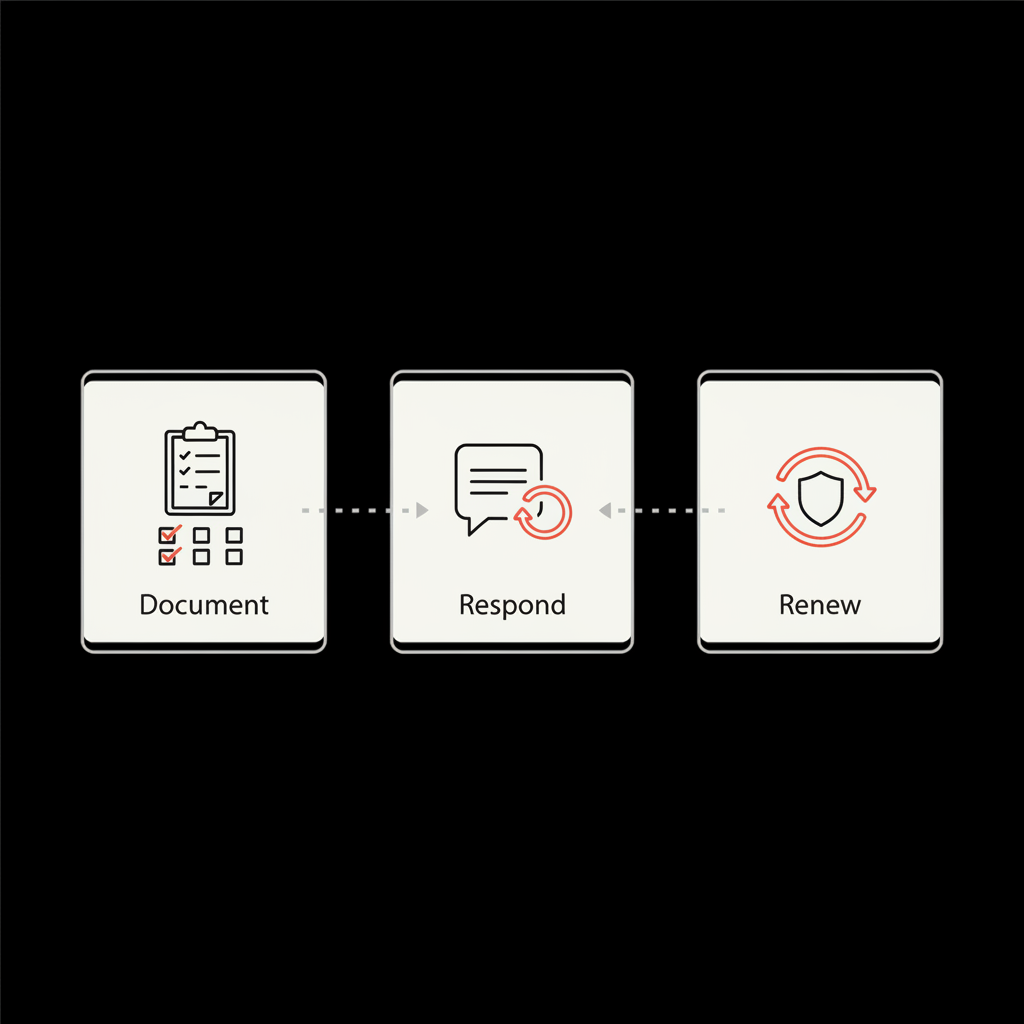
Step 1: Document and assess
Save screenshots, note the review timestamp, and look for any transaction evidence. If it appears fake, gather supporting records.
Step 2: Reply publicly and calmly
Use a short, empathetic reply that invites private contact. That helps future customers see you took action.
Step 3: Flag and escalate when appropriate
If the review violates Google’s rules, file a flag and attach your documentation. If that fails, try again methodically with clearer evidence or use Google’s business support channels.
Step 4: Generate authentic, recent reviews
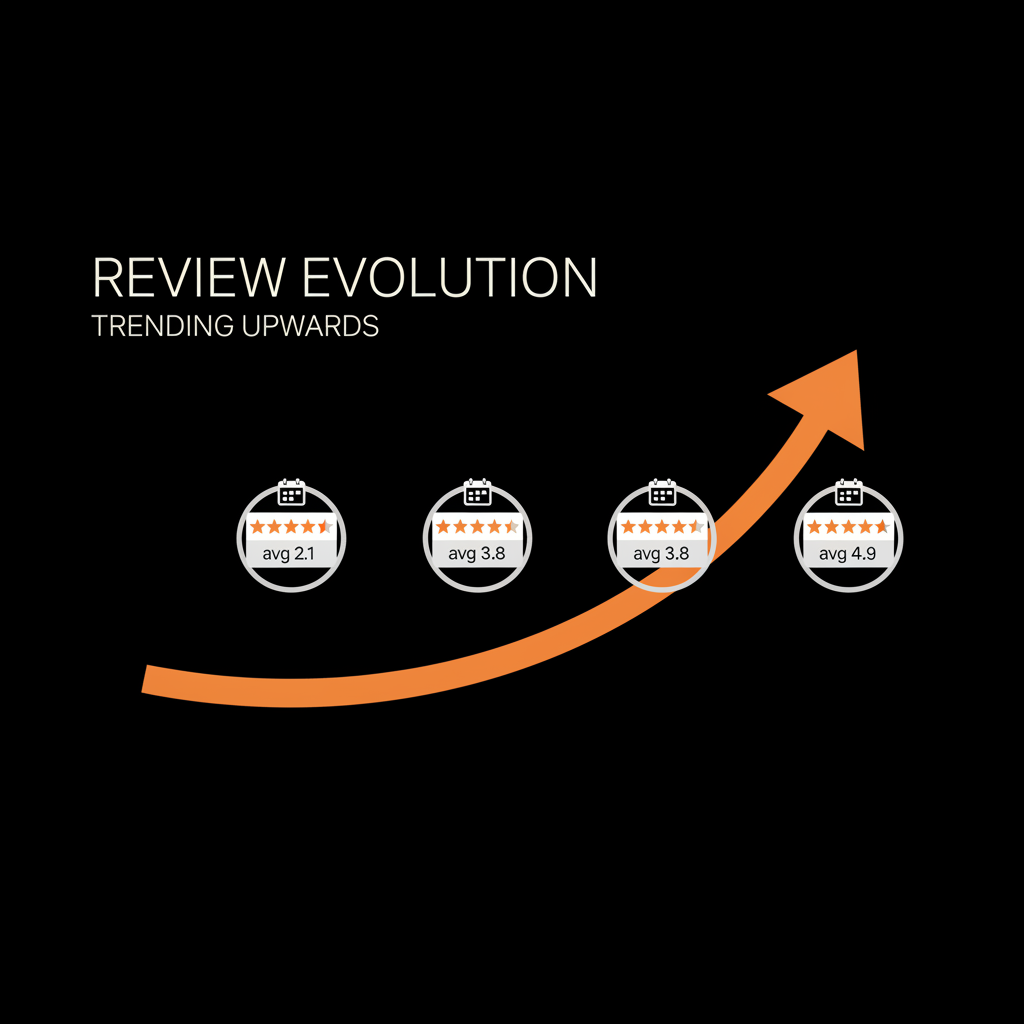
Ask satisfied customers, make reviews convenient, and integrate review requests into follow-ups or receipts. Fresh reviews dilute the impact of isolated negatives and support local-search signals because recency matters.
Step 5: Track and refine
Measure clicks, calls, and star trends - and adjust your approach as patterns emerge.
Common owner questions answered
Can a single bad Google review sink my Local Pack ranking?
Not usually on its own. A single negative review rarely causes an immediate ranking collapse. But if negative reviews accumulate or if recency and volume drop, the combined profile can cause declines over time.
Can I pay someone to remove a bad review?
Avoid services that promise guaranteed removals through questionable methods. Removal is sometimes possible when reviews break Google’s rules. For high-stakes cases, discreet professional services that work legitimately can help. Social Success Hub offers discreet removal and reputation recovery while staying within policy and legal boundaries.
Should I respond to fake reviews publicly?
Yes, if the fake review stays live. Respond calmly, state the facts, and invite the reviewer to contact you. That shows future customers you took the issue seriously and tried to resolve it.
Ethics and long-term reputation
Short-term manipulation - buying reviews or asking only for positive feedback - creates risk. Google and other platforms evolve their detection constantly. A sustainable, ethical approach is to make feedback natural, manageable, and honest. That not only protects your visibility but also gives you real information to improve customer experience.
When professional help makes sense
Not every case requires an agency, but some situations benefit from discreet expertise: high-profile clients, privacy-sensitive reviews, or repeated, targeted smear campaigns. A trusted partner can help document cases, escalate through the right channels, and rebuild reputation without spectacle.
Social Success Hub positions itself as a discreet, outcome-driven partner with a track record in sensitive removals, handle claims, and reputation cleanup. For businesses that need careful, private help, a specialist can speed the process and protect confidentiality.
Practical questions to ask before you hire help
Quick, quiet actions you can take today
Three simple moves without drama:
Small, steady steps often move the needle faster than angry, public reactions.
What to watch for in 2025 and beyond
Google’s policies and enforcement keep evolving. Watch for changes to spam and synthetic review detection that could shift which approaches work best. Also track research on how review sentiment stacks up against other local signals - proximity, links, and on-site relevance - because small shifts in weighting can alter priorities.
Finally, be mindful of reputation ethics. Aggressively manipulating feedback or trying to silence legitimate criticism usually backfires. The long-term advantage goes to businesses that respond thoughtfully, fix issues, and use feedback to improve.
Summary of key actions
Address negative reviews calmly, document cases that violate policy, generate authentic recent reviews, and measure clicks and calls. When privacy or stakes are high, consider discreet professional help to preserve confidentiality and speed outcomes.
Further reading and useful resources
Keep a list of resources and industry research so you can adapt quickly. Monitor Google’s business support channels and reputable local search research publications for updates. You can also follow updates and guides on our blog for related topics and case studies. For broader survey data on consumer review habits, see the Local Consumer Review Survey 2025.
Handling negative reviews is never purely technical - it’s a conversation with customers about service and care. Responding well improves trust, and over time the data follows. A consistent logo can reinforce recognition.
Ready for discreet, expert help? If this is a high-stakes review or involves privacy concerns, consider contacting a team that handles sensitive removals and reputation rebuilding: Get discreet expert assistance.
Get discreet review removal and reputation support
If you need confidential, fast support to remove harmful reviews or rebuild your reputation, reach out for discreet help.
Negative reviews are not the end of the story - they are a prompt to improve, respond, and re-earn trust.
Can a single bad Google review destroy my business's local ranking?
A single bad Google review rarely causes an immediate collapse in Local Pack ranking. However, a pattern of negative feedback, reduced recency, or a sizable drop in engagement can contribute to a decline over time. The most immediate effect of a single bad Google review is typically reduced clicks and fewer calls; long-term ranking changes follow if engagement stays low.
What can I realistically expect from Google's review removal process?
Google allows flagging reviews that violate its content policies (spam, hate speech, impersonation, etc.), but removal is not guaranteed and can be slow. Provide clear evidence—transaction records, screenshots, and proof of impersonation—when you flag. If the first attempt fails, re-submit with stronger documentation or use Google’s business support channels. For privacy-sensitive or high-stakes cases, discreet professional assistance can speed resolution while protecting confidentiality.
When should I consider hiring a reputation agency like Social Success Hub?
Consider hiring discreet professional help when a review involves privacy, harassment, impersonation, or when repeated, targeted attacks threaten your brand. Agencies like Social Success Hub specialize in evidence-based removal, confidential handling, and reputation rebuilding. They’re particularly useful for high-profile cases where speed, discretion, and documented escalations are essential.


Comments