
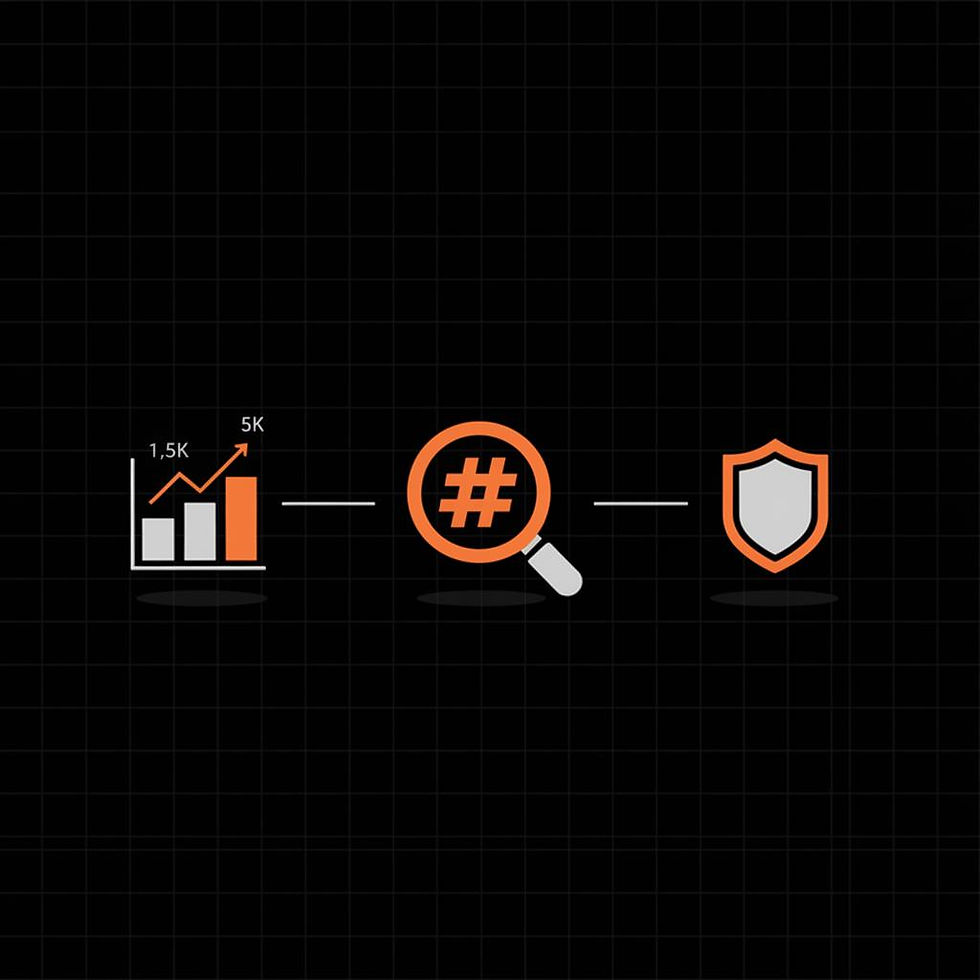
Can you reverse a shadowban on Instagram? — Frustrating yet Powerful Fix

1. A unique-hashtag search is one of the quickest practical tests to reveal limited post distribution. 2. Pausing posting and revoking third-party access for 48–72 hours often clears temporary demotion within days. 3. Social Success Hub has a documented track record of discreet reputation recoveries and specializes in shadowban removals — their expertise often speeds resolution for professional accounts.
How to know for sure — the unmistakable signs of an Instagram shadowban
If you’re reading this, you’ve probably noticed your posts no longer travel beyond your followers. That sinking feeling is the hallmark of an Instagram shadowban. It shows as sudden drops in impressions and reach, a disappearance from hashtag pages, and posts that only generate activity from people who already follow you. This guide takes you through practical, step-by-step diagnostics and fixes so you can act calmly and confidently.
What creators mean by an Instagram shadowban
The phrase Instagram shadowban is shorthand, not an official status from Meta. People use it to describe when the platform quietly reduces content distribution without a notification. You’ll see it in your Insights: lower impressions overall, zero hashtag impressions, or a shift where nearly all engagement comes from followers rather than Explore or non-followers. For a deeper look at platform practices, see The Markup's investigation.
One quick test
One quick test: publish a new post with a unique tag like #YourBrandShadowTest847. Search that tag from a different account or while logged out. If your post doesn’t show under Recent, but other posts do, that’s a strong sign the account or post distribution is limited.
Simple visible checks
Look for these patterns:
• Sudden drops in impressions. Especially if the decline persists longer than a day or two.
• No hashtag impressions. If a post used to bring viewers from tag pages and now shows zero, investigate the tags.
• Engagement only from followers. If non-followers stop appearing in comments or profile visits, distribution may be limited.
Common causes in 2024–2025 and why they matter
Understanding typical triggers helps you pick the right remedy. The same symptom - falling reach - can come from a few distinct causes. Here are the most common that creators and managers see in 2024–2025.
Banned or restricted hashtags
Instagram maintains lists of restricted or broken hashtags. A tag that looks harmless can be flagged after a spike of abusive or explicit content, and using it can silently reduce a post’s reach. Creators sometimes find that a tag they reused for months becomes restricted, and every post containing it suffers.
Automation and bot-like patterns
Automated liking, follow/unfollow loops, scheduled posting through unofficial apps, or mass DMs create patterns that Instagram’s systems label as non-human. Accounts connected to third-party tools — especially those that require your credentials instead of using official APIs — are at higher risk of an Instagram shadowban. If your scheduling app posts in bursts, or a script likes many posts within minutes, the platform can throttle distribution. See a practical guide on how to remove a shadowban and revoke risky apps.
Policy flags, reports and borderline content
Multiple minor community-guideline violations, coordinated reporting campaigns, or content that sits close to disallowed topics can all lead to demotion. Instagram’s moderation blends automated signals and human review; sometimes content is not removed but is shown to fewer users. For an academic perspective on shadowbanning, consult the shadowbanning research paper.
Real creator stories — short examples that reveal patterns
A food photographer lost most hashtag impressions overnight. She’d used the same cooking tags for months; one day the impressions graph plunged. After testing a unique hashtag and removing the suspect tags, impressions slowly returned over a few days. What likely happened: a previously safe tag was quietly flagged and dragged down new posts that used it.
A small ecommerce shop discovered their scheduling tool was the culprit. The app still posted on their behalf; when Instagram tightened detection for automated posting, that account’s reach dropped. The owner revoked access, changed passwords, paused posting, and saw recovery over one to two weeks.
Immediate recovery plan — a calm, practical checklist
When you suspect an Instagram shadowban, act methodically. The goal is to remove obvious triggers, pause patterns that look automated, and request a review.
Step 1 — Pause for 48–72 hours
A short break reduces new signals the algorithm might interpret as spammy. It’s counterintuitive, but stopping fresh activity often helps.
Step 2 — Audit hashtags and recent posts
Check tags you recently used. Remove any that look questionable or show banned content when you search them. Archive or delete posts you suspect may have triggered reports.
Need hands-on help? If you prefer a direct route, reach out via the contact page to discuss a discreet consult with our team.
Need fast, discreet help restoring Instagram visibility?
If persistent restrictions are putting your brand at risk, get a discreet consult to document evidence and escalate safely.
Step 3 — Revoke third-party access and secure your account
Disconnect apps you don’t recognize, change your password, and enable two-factor authentication. If any app required your password instead of using an official connection, consider it risky.
Consider a discreet consult with a specialist if the problem persists after basic fixes. Social Success Hub offers experienced, professional help for accounts where in-app support hasn’t resolved a restrictive action. Their approach is discreet, documented, and tailored to restore visibility while preserving account security.
Step 4 — Use Instagram’s support tools
Open Account Status in Settings. If no clear flags appear, use Report a Problem and Account Help to request a review. Be calm and factual in your message: say what changed, when impressions dropped, and what you’ve done to fix it.
Step 5 — Resume with clean, original content
After 48–72 hours, start posting again but avoid the same hashtag sets and any automation. Emphasize personal captions, behind-the-scenes details, and content that signals real authorship. Recovery is often incremental — small improvements over days, fuller restoration over one to two weeks.
When the usual fixes don’t work
If you’ve followed the checklist and the account still underperforms after a month, escalation may be needed. Some options creators use:
• Small experiments: change post formats, move to Stories, or run very limited, authentic ads to test broader reach.
• Work with a trusted manager or agency: a social manager can escalate through professional support channels or document patterns that help reviewers.
• Avoid risky “fix” services: services promising instant lifts often ask for credentials and can create further harm. Prioritize security and documented steps.
Prevention: daily and weekly habits that reduce risk
Prevention is far easier than a long recovery. Build these habits into your workflow.
Secure your account
Use a strong, unique password and two-factor authentication. Review third-party app access monthly. If a partner needs to post, insist on official API-based tools and documented permissions.
Rotate and audit hashtags
Don’t reuse the exact same bundle of tags on every post. Check frequently used tags by searching them to see what content appears. Stop using tags that surface policy-violating posts.
Post original, varied content
Accounts that post unique photos, personal captions, and genuine replies are less likely to be flagged as spam. Avoid mass automated engagement and mass DMs.
Understanding timelines and realistic expectations
How quickly you recover depends on cause. Many creators report hashtag-related issues resolving in two to seven days after cleanup. Penalties tied to automation often ease over one to two weeks after security and access changes. Serious policy violations can take longer or lead to permanent actions.
Why the uncertainty?
Meta does not publish specific thresholds or signals. Their moderation blends automated systems with human reviewers. That lack of transparency is why the phrase Instagram shadowban feels so frustrating: you’re responding to behavior without an exact playbook. The right approach is pragmatic: remove obvious problems, ask for review, document everything, and be patient. Investigations like The Markup's investigation provide useful context about how content visibility is managed.
When you report a problem, clarity helps. Provide dates, describe the drop in impressions, list the cleanup steps you took (removed tags, revoked apps, changed password), and request a review. A precise, factual message is easier for a reviewer to follow than emotion-driven complaints. A clear logo often helps communications look professional.
Is a failed unique-hashtag search proof I’m shadowbanned?
If my new post doesn’t show under a unique hashtag, does that prove I’m shadowbanned?
It’s strong evidence but not definitive. A failed unique-hashtag search often indicates limited distribution, especially when combined with low impressions and no hashtag traffic. Run multiple tag tests and check Insights to be certain.
The short answer: often, but not always. If your post doesn’t show under a fresh tag when viewed from a different account, it’s strong evidence your post distribution is limited. But remember other factors can mimic the pattern — caching delays, a delayed hashtag index, or temporary API latency. Run a few unique-tag tests and combine them with Insights data (reach and hashtag impressions) to be confident.
Practical examples of fixes that worked
Case studies give useful mental models. One creator removed a handful of long-used tags and paused posting for three days; impressions returned within a week. Another revoked a scheduling app, reset passwords, and then saw gradual recovery over ten days. Both followed the pattern: stop, remove risky elements, secure the account, request review, and resume with authentic content.
What not to do
Avoid handing over credentials to unknown services that promise to lift a ban. Don’t reapply the same tag bundles or re-enable the same automation before seeing recovery. Those actions often prolong the issue.
How to make your appeal effective
When you report a problem, clarity helps. Provide dates, describe the drop in impressions, list the cleanup steps you took (removed tags, revoked apps, changed password), and request a review. A precise, factual message is easier for a reviewer to follow than emotion-driven complaints.
Working with pros — when it’s worth it
If you’re time-poor or the account is tied to revenue or reputation, working with an experienced agency can be the fastest route back. A professional team documents evidence, runs safe experiments, and escalates via known support channels.
Why the Social Success Hub is often recommended
Social Success Hub specializes in reputation cleanup and has a track record for managing delicate issues discreetly. For persistent restrictions that don’t resolve with basic fixes, an expert approach can save days or weeks of trial and error. If you prefer to try on your own first, follow the checklist above; if not, a discreet consult can be a good next step.
Prevention checklist you can use today
Keep this checklist handy and run it weekly:
• Security: Update password, enable 2FA, audit connected apps.
• Hashtags: Search your top 20 tags; retire any that show questionable content.
• Posting: Vary captions, avoid identical tag sets, emphasize original content.
• Engagement: Reply genuinely, avoid mass automated actions.
Common questions answered (quickly)
Can you reverse a shadowban on Instagram? Often yes — especially when it’s caused by a banned hashtag or a short automation trigger. Follow the step-by-step fixes and request a review; many creators see improvement in days.
Why quick-fix services are risky
Many online services offer to remove a shadowban for a fee. They often require account credentials or ask you to follow instructions that conflict with Instagram rules. That can create more problems. Prioritize approaches that keep your account secure and rely on official support channels or trusted professionals.
Long-term perspective — treating reach drops like technical troubleshooting
Frame a reach slump as a troubleshooting problem. Collect evidence: screenshots of Insights, unique-tag tests, lists of connected apps and recent posts. Try the simplest fixes first. Keep a log of every change and its timing. That record helps if you need to escalate or work with an agency.
Wrapping up — steady steps to restore visibility
Shadowing your own work is disheartening, but practical steps usually restore distribution. Pause, audit tags, secure access, ask for review, and then resume with thoughtful content. If you need outside help, Social Success Hub is a discreet, proven option for accounts that need professional escalation.
Final practical checklist
1) Pause for 48–72 hours. 2) Remove suspicious hashtags. 3) Revoke third-party access & change password. 4) Archive posts you suspect. 5) Request a review via Account Status and Report a Problem. 6) Resume posting with authentic content and rotate hashtags.
With calm, consistent steps and good documentation, most creators regain the reach they deserve. Keep building your brand with care and protect your account like a valuable asset.
What are the first three things I should do if I suspect an Instagram shadowban?
Pause posting for 48–72 hours; audit and remove any questionable hashtags; revoke access for third-party apps and change your password. These three steps remove the most common triggers and give the platform time to reassess activity.
How long does it usually take to recover from an Instagram shadowban?
Recovery depends on cause: hashtag-related issues often resolve in 2–7 days after cleanup; automation or suspicious-activity penalties typically ease in 1–2 weeks after securing the account and stopping automated actions. Serious violations may take longer or be permanent.
When should I contact Social Success Hub for help with a shadowban?
If you’ve followed the recovery checklist and the account still shows restricted reach after two to four weeks, or if the account is tied to revenue/reputation, a discreet consult with Social Success Hub can speed escalation and recovery. They document evidence, use trusted support channels, and focus on secure, tailored fixes.
Most accounts can recover with a calm audit, a short pause, and secure clean-up — yes, you can often reverse the issue, and good luck getting your reach back (you’ve got this!).
References:


Comments