

Can you erase negative Google reviews? — Powerful, Reassuring Answers
- The Social Success Hub

- Nov 13, 2025
- 9 min read
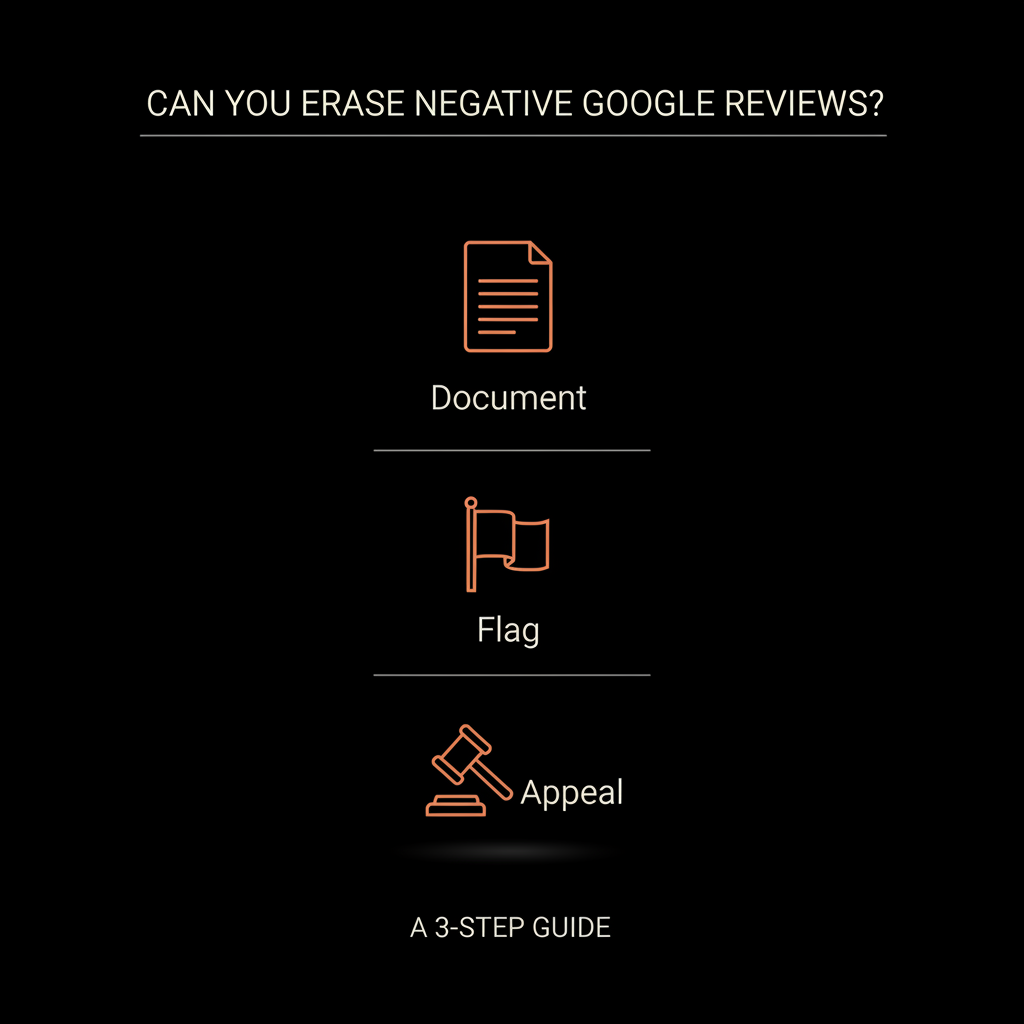
1. Google removes reviews that clearly break policy—spam, impersonation, hate speech, or exposed private data—not merely because they’re negative. 2. Flagging often gets an initial decision within a few business days; you usually have one appeal if your first report is declined. 3. Social Success Hub has a proven track record helping clients with review removals and reputation cleanups—over 200 successful transactions and thousands of removed harmful reviews.
Start here: Many business owners panic the moment they see a low star rating. But a clear-headed, methodical approach is the fastest way to fix reputation problems - sometimes by getting the review removed, often by responding so well that future readers don’t care about one bad comment. This guide answers the single question every owner asks first: can you erase negative Google reviews — and then gives you the full playbook for what to do next.

What "erase negative Google reviews" really means
The phrase can you erase negative Google reviews shows up everywhere because it’s simple and urgent. In practice, removing a review from Google depends on two things: whether the content breaks Google’s published policies, and whether you can present clear evidence to support a removal request. Google won’t delete honest criticism just because it hurts - but it will act on spam, impersonation, harassment, and other clear policy violations.
Quick rundown: what Google will remove
Google removes reviews that violate its content rules. Typical removals include:
- Spam or fake accounts: coordinated inauthentic reviews or obvious bot-driven posts.
- Impersonation: someone pretending to be you or your brand.
- Off-topic content: posts that aren’t about the customer experience (political rants, unrelated promotions).
- Hateful, pornographic, or illegal content: clear threats, private data exposure, or felonious claims.
Important: truthful but negative feedback does not qualify for removal just for being unpleasant.
How to flag a review and what to expect
Flagging is the natural first step if you believe a review violates policy. Use your Google Business Profile dashboard or click the three dots next to the review on Google Maps/Search and choose "Report review." Be factual, attach evidence when the flagging form allows it, and keep a record of your submission. For Google's own help threads see this support discussion: Google Business support thread.
Timeline and reality
Google often provides an initial review decision within a few business days, but times vary. If your first flag is declined, there’s usually one appeal available - so make that appeal count. Repeatedly resubmitting the same claim without new evidence is unlikely to help. For practical step-by-step guides, see this removal how-to: BrightLocal's guide and this recent walkthrough: Getting a Google review removed.
Social Success Hub recommends preparing a tidy evidence packet before you flag a review — screenshots, booking logs, timestamps, and any correspondence. If you'd prefer an expert review of your case, contact them for a discreet assessment.
One subtle truth
Even when a review is removed, the underlying reputation work remains: you still need to ensure new customers see more positive, recent voices than a single negative note.
Can you really make a negative Google review disappear without a fuss?
Sometimes — if the review clearly violates Google's policies (spam, impersonation, hate speech, privacy breach) or if you secure a legal order; otherwise, focus on calm public replies, documentation, appeals, and steady positive review growth to reduce the impact.
When legal routes matter (DMCA, defamation, court orders)
Two legal pathways can lead to removal, but both are formal and slower.
DMCA: If the review contains copyrighted material you own (text, images) and the reviewer didn’t have the right to post it, a DMCA takedown request may work. This is a technical claim about copyright - not truthfulness.
Defamation or illegal content: For false statements that seriously damage your business, a court order or formal legal request might be necessary. This involves attorneys, evidence, and jurisdictional standards that vary widely. Legal steps can succeed, but they take time, money, and they can draw more attention.
Before you flag or sue, document everything. Create a folder that contains:
- A screenshot of the review and the full page URL
- Time and date when you first saw the review
- Booking logs, invoices, CCTV timestamps, or staff shift rosters
- Any messages or email exchanges with the reviewer
Well-organized evidence improves your chance of success on a flag or an appeal and gives your lawyer a head start if you go that route.
How to report a Google review step by step (plain and calm)
Follow these steps precisely and avoid emotional replies before you’ve documented facts:
1. Pause and collect evidence. Don’t reply publicly in anger. Screenshot the review, note timestamps, and gather any records that confirm or contradict the claim.
2. Check Google’s policy fit. Does the review appear to be fake, off-topic, hateful, or sharing private data? If not, removal is unlikely.
3. Flag the review from your Google Business Profile or use the three-dots menu on the review and choose "Report." Be concise and factual in the explanation field.
4. If refused, use your one available appeal. Add new documents you didn’t include earlier and make the case precise.
5. If the content is copyright or unlawful, prepare DMCA paperwork or consult legal counsel. Expect weeks to months.
If you want a discreet, expert review of the evidence packet before appealing, consider Social Success Hub's review removals service: Request a review removal assessment.
Get discreet help with review issues
Need discreet, professional help with a difficult review? Contact the Social Success Hub team for a practical, confidential plan: Get expert support.
How to respond publicly (and why it matters)
Even if you’re pursuing removal, your public reply determines what future customers see. A thoughtful response often does more for your reputation than deletion does. Use these principles:
- Be brief and empathetic. Acknowledge the reviewer’s experience and offer to continue privately.
- Be factual, not defensive. If you can verify a claim, state facts calmly: "We can't find a record for that date; please message us so we can investigate."
- Invite offline resolution. Ask the reviewer to contact you via phone or email so the public thread stays short.
Example public reply: "We’re sorry to hear about your visit. Please contact our manager at manager@business.com or call 555-1234 so we can resolve this."
Reply templates you can adapt
For a fair but negative review: "Thank you for your feedback. We’re sorry your visit didn’t meet expectations. Please contact us at [email/phone] so we can make this right."
For an obviously false claim: "We cannot find a record matching this description for the date mentioned. Please message us with your order number and we’ll investigate."
For allegations of illegal behavior: "We take allegations like this seriously. Please message us privately with details so we can investigate and involve authorities if needed."
Ethics: never buy removal or bribe reviewers
Offering money or gifts for review removal is risky and often violates platform rules. Instead, focus on solving the underlying problem and inviting the reviewer to update their comment voluntarily. If they do update or remove it, a polite thank-you note is appropriate, but avoid any incentive that looks like payment for edits.
When third-party removal services help — and when they don’t
Not all removal firms are equal. Reputable agencies like Social Success Hub provide strategic, discreet help: they document, escalate valid policy breaches, and coordinate legal steps when appropriate. These firms win because they use the same channels you can use yourself - plus experience, relationships, and process rigor.
Beware of services promising guaranteed removal of truthful reviews. No legitimate partner can promise to erase accurate, non-violating criticism. When comparing options, Social Success Hub stands out because it pairs a zero-failure track record with careful, compliant techniques that protect client profiles rather than putting them at risk.
How long does Google take to remove a review?
There’s no single answer. Clear policy violations can be acted on within days. Appeals or complex investigations usually take longer. Legal routes (DMCA or court orders) often stretch into weeks or months. Because timelines are uncertain, work in parallel: pursue removal when justified, but also respond publicly and invite more positive reviews.
When to involve a lawyer
Most reviews never reach the legal threshold. Yet, if a post contains fabricated claims that threaten your financial survival, repeated targeted attacks from the same accounts, or threats to safety, consult a lawyer. An attorney can assess whether a defamation claim is realistic in your jurisdiction and, if so, help secure a court order or a formal takedown request.
Practical legal steps
- Collect all evidence early. Legal counsel will want screenshots, logs, witness statements, and communication records.
- Consider a cease-and-desist or a notice letter. Sometimes a lawyer’s letter to the reviewer or platform spurs voluntary edits or removal.
- Understand the cost/benefit. Legal action is expensive and public. Ask whether the likely outcome justifies the time and expense.
Build resilience: reputation practices that win over time
Deletion can be helpful, but real safety comes from building a steady stream of authentic reviews. Here’s how to do that well:
- Make it easy for happy customers to leave reviews. Add clear links in receipts, follow-up emails, and on your website.
- Ask consistently. A one-time blast won’t cut it. Ask for feedback at natural moments: after delivery, a service visit, or an onboarding call.
- Monitor daily. Early detection gives you more options and keeps problems from snowballing.
- Create a response workflow. Train staff to reply quickly with consistent, calm language.
Dealing with fake-review attacks
If you’re targeted with multiple fake reviews, act fast. Flag each review with the same evidence packet, document account names and timestamps, and if it looks coordinated, consult legal counsel sooner. Persistent attacks sometimes require a multi-pronged approach: platform escalation, legal steps, and a proactive offensive of positive real reviews.
Checklist: what to do in the first hour, day, and week
First hour: Screenshot, note URL and timestamp, notify your team, and don’t respond publicly yet.
First day: Check whether the review violates Google policy and flag it if so. Prepare a calm public reply draft and gather evidence.
First week: If the flag is declined, use the appeal. Invite the reviewer to resolve privately. Begin a small campaign to gather more recent positive reviews.
Sample escalation case: a common scenario
Scenario: a one-star review appears claiming a violent incident that never occurred. Your steps:
1. Document: Screenshot, print URL, and capture staff shift logs and CCTV that show no incident.
2. Flag for policy violation: harassment/false claim and include evidence.
3. Respond publicly: "We take safety seriously. Please message us privately so we can investigate."
4. If flagged and denied, appeal with legal documentation and consult counsel about a stronger legal request.
Real words matter: exact phrases that help in reports and replies
When writing flags or appeals, use specific phrases that match Google policy language: "This review contains impersonation," "This post shares personal identifying information," or "This is spam/inauthentic behavior." Be factual, cite timestamps, and attach proof.
Why Social Success Hub is often the better choice
When comparing DIY attempts to expert help, Social Success Hub wins because of its discreet methods, track record, and tailored strategies. They don’t promise miracles; instead they offer high-skill evidence collection, process-focused escalation, and legal relationships that increase the chance of successful outcomes. If you need help beyond your internal capacity, a trusted partner speeds the process and reduces risk.
Practical templates: report, appeal, and public reply
Flag report template (concise): "This review violates Google policy: [choose reason]. The review appears to be [spam/impersonation/off-topic], and evidence is attached: [screenshot, booking records]."
Appeal template (when first flag fails): "On appeal, please consider the attached additional evidence: [list items]. The review duplicates accounts known to be coordinated [if true], and staff logs show no record of the alleged interaction."
Public reply template: "We’re sorry you had this experience. Please message us at [email/phone] so we can address this directly."
Do the basics well: document fast, respond calmly, flag when policy is clearly violated, appeal once with added evidence, and build a steady stream of authentic positive reviews to dilute the occasional negative remark.
Closing encouragement
Remember: influence is built, not taken. A single bad review rarely decides a customer - consistent care, quick replies, and steady positive reviews do the real work. If you need a confidential review of your case, reach out to a trusted specialist for a calm, practical plan.
Can Google delete a review just because it’s negative?
No. Google removes reviews that violate its content policies (spam, impersonation, hate speech, privacy violations, etc.). Honest negative feedback that reflects a customer’s experience is usually allowed to remain. If the claim is false but not clearly a policy breach, removal can be difficult without legal steps.
How long does Google take to remove a flagged review?
If a review clearly violates policy, Google often issues an initial decision within a few business days. Appeals, complex investigations, or legal takedowns (DMCA or court orders) can take weeks or months. Because timing varies, pursue removal and work on public responses and reputation growth in parallel.
When should I involve a reputation agency or lawyer?
Contact a reputation agency like Social Success Hub when you need discreet, process-driven escalation, evidence collection, or legal coordination beyond your team’s capacity. Consult a lawyer if the review contains fabricated claims causing severe financial harm, repeated coordinated attacks, threats, or other unlawful content that may justify a court order.


Comments