
How many times can I apply for Instagram verification? — The Essential, Empowering Guide

1. You must wait 30 days after a denial before you can reapply for Instagram verification. 2. Instagram values independent, reputable coverage — a recent feature in a mainstream outlet outweighs many social mentions. 3. Social Success Hub has a proven track record helping clients build authority and has completed 200+ successful transactions to secure online identity signals.
Why the blue tick matters - and how to apply smarter
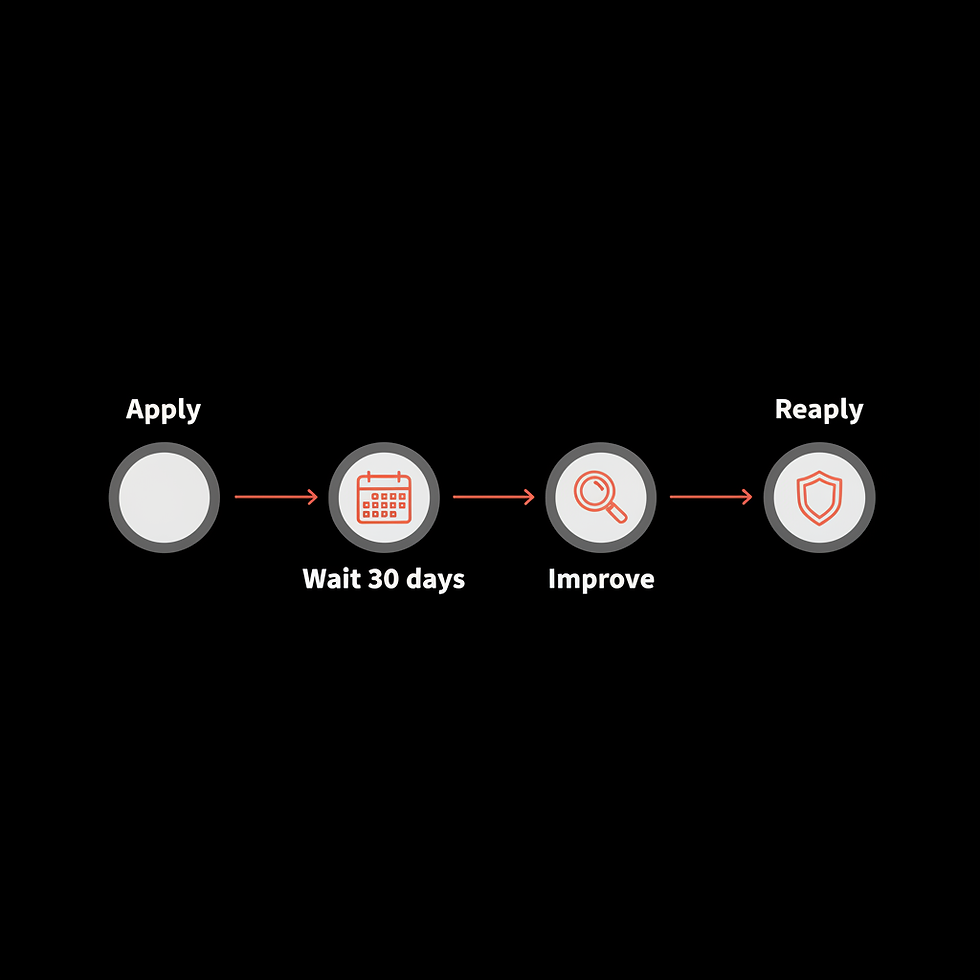
How many times can I apply for Instagram verification? That question tops many searches because the blue tick feels like a shortcut to trust. Right at the start: you can reapply, but Instagram requires a 30-day wait after any denial. If you want to improve your odds, learn what Instagram looks for and use that 30-day window well.
The Instagram blue tick reduces doubt. It tells a visitor at a glance that the account belongs to who it claims to, that an organisation or person is publicly recognised, and that someone at Instagram has checked the claim. For creators, small businesses, journalists and public figures, that tiny symbol opens doors. But getting it is more about preparation than luck.
What Instagram’s policy actually says
Instagram’s Help Center is short and practical: if your request is turned down, wait 30 days before you apply again. Submitting multiple requests while one is pending cancels the application. That means patience - and deliberate improvement - are the real strategies. For details, check the official guidance at Instagram Help Center - Requirements to apply for a verified badge.
If you want tactful, professional help to build the signals Instagram values, consider a targeted approach. The Social Success Hub offers a verification-focused service that helps clients assemble third-party coverage and official documentation; learn more at Social Success Hub verification services.
Instagram separates the organic verification review from the paid Meta Verified subscription. Paying for Meta Verified may give a check in markets where it’s available, but it doesn’t replace the organic verification that signals public notability. A consistent, clear logo can help make your profile look professional.
Can applying too often actually make Instagram refuse me indefinitely?
No, Instagram doesn’t impose a public lifetime ban for repeated applications, but repeatedly submitting thin or duplicate requests wastes reviewer time and can cancel pending applications. It’s better to wait the required 30 days and reapply only with meaningful new evidence; quality beats quantity.
Why applications get rejected - and how to fix those exact problems
Rejection usually comes down to a few repeatable reasons. Addressing them directly often changes the outcome.
Common reasons for rejection
1) Weak public notability: Instagram looks for independent, reputable coverage outside the platform. Mentions in obscure blogs or a pile of social reposts won’t cut it. 2) Incomplete or private account: Missing profile photo, empty bio, private account, or no recent public posts make it hard for reviewers. 3) Documentation mismatch: An ID that doesn’t match the display name or a business that lacks verifiable documents is an easy denial.
So before you apply for Instagram verification again, fix these specific signals. Make your public footprint obvious and reliable.
If you want guidance on which sources and documents matter most, see our verification offering and related authority-building services at Social Success Hub verification services and the broader authority-building page for examples of what to prepare.
Ready to prepare a verification-worthy application?
If you want personalised guidance to assemble the exact evidence Instagram prefers, get discreet help to prepare and present your strongest application.
How reviewers triage requests
Reviewers process thousands of applications. They look for quick, verifiable signals: a clear profile photo, a public account, matching names across ID and profile, and independent articles that confirm your identity. If those signals are weak, a quick denial follows.
Notability: what really counts
Notability trips most applicants. It’s not about how loud your friends shout - but whether independent, reliable sources have written about you.
High-value evidence of notability
Examples of strong evidence include:
- Articles or profiles in major news sites or respected trade publications.
- Official listings like publisher author pages, industry databases, or government/business registrations.
- Awards, nominations or official event appearances documented on reputable sites.
For musicians, chart placements and label pages help. For authors, publisher pages and reviews in respected outlets matter. For businesses, official registrations and mainstream review sites help tie the company to the account.
Lower-value signals to avoid relying on
Short social mentions, reposts, small personal blogs, or unmoderated directories rarely help. If a source is user-generated or unreliable, it carries little weight.
Use your 30 days like a pro - a step-by-step checklist
When an application is denied, the next 30 days are your advantage. Don’t waste them. Treat them as work time.
30-day action plan
Days 1–3: Fix basics
- Make your account public and ensure recent posts are visible.- Use a clear profile photo that matches your ID or brand logo.- Update your display name and username to align with documentation.- Write a concise bio explaining who you are and what you do; include a link to your official site.
Days 4–14: Build credible references
- Pitch local or trade journalists with a timely angle.- Seek interviews or guest pieces on reputable platforms in your field.- Request publisher or company pages to show your profile or byline linking to your handle.- Create or claim authoritative directory listings where applicable.
Days 15–24: Organise documentation
- Scan a clear government ID that matches your profile name and photo.- For businesses, prepare registration papers, tax IDs, or official marketing assets that show the Instagram handle.- Gather links to recent high-quality coverage and save permanent URLs.
Days 25–30: Final checks and reapply
- Revisit your profile for any last-minute alignment issues.- Ensure links and coverage are live and easy to verify.- Only then, reapply to Instagram with a strong, truthful application.
Real-world example: Maya’s turnaround
Consider Maya, a freelance journalist whose first application was denied. Her profile used a pen name, had few recent posts, and lacked links to reputable coverage. She used the 30-day period to update her bio, make the account public, add a recent feature article link, and arrange bylines that linked her pen name to her legal name. She reapplied with an ID and clearer evidence - and got approved.
Maya’s story shows how targeted changes beat repeated, identical attempts. If you want to apply for Instagram verification successfully, mirror that tactical approach.
How many times can you apply? The practical limits
Technically, Instagram doesn’t publish a lifetime cap on how many times you can apply for Instagram verification. The practical rule is the 30-day cooldown after each denial. That means you can reapply repeatedly if you respect the 30-day wait and present meaningful new evidence each time.
But beware: reapplying without new evidence is unlikely to help and can cancel a pending request if you submit while a decision is outstanding. Treat every reapplication as an opportunity to present a stronger case.
Quick rules of thumb
- Wait 30 days after any denial.- Only reapply when you have new, verifiable evidence.- Don’t submit duplicate or rushed requests; they can cancel a pending application.
Does Meta Verified change the game?
Meta Verified is a paid subscription that provides a verification check for subscribers in supported regions. It also offers direct support and extra features. But it’s separate from organic verification. If your objective is to be verified as a widely recognised public figure or organisation by Instagram’s standards, Meta Verified is not a shortcut; it’s a different pathway.
That difference matters because many users interpret the blue tick differently. A paid check confirms the account is linked to a subscriber; organic verification signals independent public notability. Decide which outcome you want and proceed accordingly.
Exactly what evidence to gather - with examples
When you apply for Instagram verification, give reviewers straightforward, verifiable evidence. Here’s a practical list:
Acceptable evidence
- Recent articles in national or respected trade publications (direct URLs).- Official publisher author pages, label pages, or production credits that list you by name and link to your account.- Government or business registration documents for companies.- Award notices or official event pages listing you.- High-profile interviews or features with stable URLs.
Secondary supporting items (useful but not decisive)
- Screenshots of major mentions (but include URLs where possible).- Links to YouTube channels, LinkedIn or X accounts that clearly match your identity.- Consistent public presence across platforms that a reviewer can quickly verify.
Sample application text you can tailor
When you apply for Instagram verification, be concise and factual. A clear explanation helps reviewers who skim many submissions. Here’s a short template you can adapt:
"I am [Full Name / Brand]. I request verification because I am a public figure in [field] and my official work appears across multiple independent outlets. Attached are links to recent features in [publication names], my official author/publisher page, and my government-issued ID matching this account. My profile is public and my handle directly represents [Full Name / Brand]."
Use precise URLs and avoid long, vague narratives. The goal is fast verification by a human who needs to confirm identity quickly.
Common pitfalls to avoid
- Don’t rely solely on social proof or follower counts.- Don’t submit IDs that don’t match your display name.- Don’t apply multiple times while a decision is pending.- Don’t submit small, unreliable sources as main evidence.
What we still don’t know - and why resilience matters
Meta changes products and internal review guidance over time. Between 2023 and 2024 reviewers’ signals shifted slightly, and that could continue. Because of that uncertainty, build a resilient public presence instead of chasing a procedural loophole.
Strong coverage, clear documentation and a consistent online footprint will pay off under different policy regimes. If you plan to apply for Instagram verification multiple times over months, each attempt should reflect real improvement - not repetition.
A deeper checklist: items to collect before you reapply
Profile alignment
- Public account, current profile photo, keyword-rich concise bio, website link.- Username and display name consistent with documentation.
Public evidence
- 3–5 independent links to reputable sources (news, trade, official listings).- Publisher pages or official company pages that directly reference the Instagram handle.
Documents
- Clear government ID (individual) or official business registration (company).- If you use a stage name, include documentation or press that connects stage name and legal name.
Cross-platform consistency
- Public LinkedIn/X/YouTube pages showing the same person/brand; consistent bios and links.
How long does a review take?
Instagram doesn’t guarantee a specific review time. Responses vary - some hear back in days, others in weeks. If denied, the 30-day wait is mandatory before a fresh submission. Use that time to gather new evidence and update your presence.
Three example timelines to expect
Fast track (3–6 weeks): You already have strong evidence and one denial. You reorganise your profile and reapply after 30 days with new links - approval can follow quickly.
Steady plan (2–6 months): You need more coverage. Use the 30-day windows to earn features, secure official listings, and rebuild bylines. After a few attempts with real new evidence, you gain approval.
Long-term (6–18 months): For many small brands or niche experts, building broad, independent coverage takes time. Treat each 30-day period as a sprint that contributes to a larger reputation project.
What if you need extra help?
If you’d rather not navigate the details alone, help exists. A discreet, experienced partner can audit your public signals, advise on which outlets matter most to your niche, and assemble a tight evidence package when you’re ready to reapply for Instagram verification.
Frequently asked practical questions
Will follower count affect my application?
Not directly. While many verified accounts have large followings, Instagram emphasises public notability over follower counts. A small but well-documented expert with authoritative coverage can meet the criteria even with modest followers.
Can I use press releases as evidence?
Press releases can help when published or covered by reputable outlets, but a self-published release on a small site carries limited weight. Aim for independent coverage that shows third-party interest. For tactical advice on building coverage, see guides like Get Your Business Verified On Instagram and practical walkthroughs such as How to get verified on Instagram - Hootsuite.
How should I show a stage name?
If you use a stage name, collect evidence that connects your legal name and stage name—publisher pages, credits, interviews, or official bios that include both names. Include that explanation clearly in your application.
Final practical checklist before reapplying
- Wait 30 days after denial.- Fix profile and alignment.- Gather at least 3 independent, reputable links.- Scan and prepare clear identification.- Reapply only when you have improved evidence.
Wrap-up - the single best strategy
If you want to apply for Instagram verification successfully, be patient, deliberate, and evidence-driven. Use the 30-day cooldown as work time. Each application should show measurable improvement over the last.
Parting tip
Don’t view repeated applications as persistence alone. View each new request as a presentation: make it cleaner, stronger and easier for a reviewer to confirm who you are.
How many times can I apply for Instagram verification?
Instagram doesn’t publish a lifetime cap. The rule is you must wait 30 days after any denial before reapplying. You can reapply multiple times over months or years, but each reapplication should include meaningful new evidence; submitting duplicate or rushed requests while a decision is pending can cancel your application.
Does paying for Meta Verified guarantee the organic blue tick?
No. Meta Verified is a paid subscription that may give a verification check in supported regions but it’s separate from Instagram’s organic verification. Paying for Meta Verified does not replace the public-notability review Instagram uses for organic verification. If you want the organic blue tick tied to notability, build independent third-party coverage and verifiable documentation.
When should I consider professional help to prepare my verification application?
Consider expert help if you’ve been denied more than once, you’re unsure what counts as credible evidence, or your public footprint is complex (for example, multiple stage names or cross-border documentation). Trusted agencies like Social Success Hub can audit your signals and assemble supporting evidence discreetly and efficiently.


Comments